
Teeth grinding and night guards
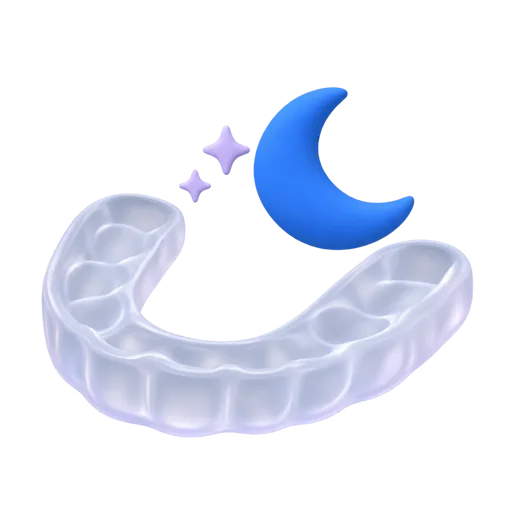
Teeth grinding, also called bruxism, can wear down enamel and cause jaw pain. A night guard is a plastic mouthpiece you wear while sleeping to cushion your teeth and reduce damage.
- 183,080 general dentistry offices listed
- in 51 states
7 min readPublished November 21, 2026Updated November 21, 2026
AI-assisted. AI disclosureEditorial policy

Find General dentist near you












What is teeth grinding?
Teeth grinding, also called bruxism, is when you clench or rub your teeth together. It can happen while you are awake or asleep. Many people do not know they grind their teeth at night unless a partner hears it or a dentist sees signs of wear.
Bruxism is common in adults and children. Stress, anxiety, certain medications, and sleep disorders can make it more likely. Some people grind only during stressful periods. Others grind every night for years.
If you grind your teeth, you may notice jaw soreness, headaches, or tooth sensitivity. Over time, grinding can flatten the chewing surfaces of teeth, chip enamel, or even crack a tooth. That is why many dentists recommend a night guard.
Common signs and symptoms
You may not always feel teeth grinding, but signs can include:
- A dull headache, especially in the morning
- Jaw pain or tightness
- Earache like pain, even though your ear is fine
- Teeth that feel sensitive to hot, cold, or sweet foods
- Worn, flattened, or chipped teeth
- Indentations on your tongue or inside of your cheeks
- A partner who hears grinding sounds at night
If you notice any of these, tell your dentist. They can check for signs of wear and talk with you about options.
Why it matters for your teeth
Your enamel is the hard outer layer of each tooth. It protects the softer inner layers. Enamel does not grow back. Once it is worn away, your teeth can become more sensitive and more likely to get cavities.
Repeated grinding can also put stress on your jaw joint, called the temporomandibular joint or TMJ. This may lead to jaw clicking, locking, or pain when you chew. In some cases, grinding can cause a tooth to crack or a filling to come loose.
A night guard does not stop you from grinding, but it can reduce the damage. The guard takes the force instead of your teeth.
What is a night guard?
A night guard is a plastic mouthpiece you wear over your teeth while you sleep. It is sometimes called an occlusal guard, bite splint, or dental guard. It creates a cushion between your upper and lower teeth so they do not grind against each other.
Night guards can be made for the upper teeth or lower teeth. Most people wear one on the upper arch. A custom guard is made from an impression of your mouth so it fits snugly and stays in place.
How night guards help
A night guard does not stop teeth grinding. Instead, it protects your teeth from the forces of clenching and grinding. Here is what a guard can do:
- Prevent enamel wear and flattening
- Reduce the risk of chipped or cracked teeth
- Ease jaw muscle tension by providing a smooth surface
- Lessen morning headaches for some people
- Protect dental work like crowns, fillings, and veneers
Results vary from person to person. Some people feel less jaw pain after a few weeks. Others mainly see less tooth wear over time. Ask your dentist what you can expect.
Types of night guards
There are three common types of night guards:
Custom made by a dentist
Your dentist takes an impression or digital scan of your teeth. A lab creates a guard that fits your mouth exactly. Custom guards are usually made from hard acrylic or a softer inner layer with a hard outer shell. They tend to be more comfortable and last longer than store bought guards.
Boil and bite guards from a store
You soften the plastic in hot water, then bite down to shape it. These are less expensive but often fit less precisely. A poor fit can feel bulky, make you drool, or even shift your teeth. They also wear out faster.
Stock guards from a store
These come in small, medium, or large sizes and are not adjusted to your mouth. They are the least expensive option but also the least comfortable. Many people find them hard to keep in place overnight.
Your dentist can help you decide which type is right for you. If you have severe grinding or jaw pain, a custom guard is often a good option. But any guard is better than no protection if you grind heavily.
What to expect when you get a night guard
If you choose a custom guard, the process usually takes two visits.
First visit
Your dentist examines your teeth and jaw. They may take an impression using a putty like material or a digital scanner. The impression is sent to a dental lab.
Second visit
When the guard is ready, you return to try it in. Your dentist checks the fit and makes small adjustments. They may ask you to bite down and slide your jaw side to side. The goal is a guard that feels secure but not too tight.
Heating, trimming, or smoothing may be done in the office. You should not need numbing for this. It is usually quick and comfortable.
Breaking it in
The first few nights may feel strange. You may drool a little more or feel like the guard is bulky. Most people adjust within a week or two. If the guard hurts, rubs your gums, or falls out, call your dentist. They can adjust it.
Caring for your night guard
A clean guard lasts longer and keeps your mouth healthier. Follow these steps:
- Rinse your guard with cool water every morning.
- Brush it gently with a soft toothbrush and mild soap or denture cleaner. Avoid toothpaste, which can scratch the surface.
- Let it dry completely before storing it in a vented case. Moisture can lead to bacteria or mold.
- Keep it away from heat, including hot water, sunlight, or a car dashboard. Heat can warp the plastic.
- Bring your guard to dental checkups so your dentist can inspect it for wear or cracks.
Replace your guard when it shows deep grooves, holes, or cracks, or if it no longer fits well. Most custom guards last several years with good care, but heavy grinders may need a new one sooner.
Other ways to manage teeth grinding
A night guard protects your teeth, but it does not address the cause of grinding. If stress or anxiety is a trigger, these steps may help:
- Practice relaxation before bed, such as deep breathing or gentle stretching.
- Avoid caffeine and alcohol in the evening, which can make grinding worse.
- Try to notice daytime clenching and rest your tongue on the roof of your mouth with teeth apart.
- Talk to your doctor about stress management, counseling, or medication if needed.
For some people, grinding is linked to sleep apnea or a misaligned bite. Your dentist may refer you to a physician or orthodontist for further evaluation. Treating the underlying issue may reduce grinding.
When to call your dentist or seek urgent care
Most teeth grinding is not an emergency, but some symptoms need quick attention.
Call your dentist if you have:
- A cracked or broken tooth
- A loose filling or crown
- Jaw pain that does not improve
- A night guard that no longer fits or causes pain
Seek emergency care if you have severe facial swelling, trouble breathing or swallowing, uncontrolled bleeding, or a broken jaw from trauma. Call 911 or go to an emergency room right away.
Remember, this guide is for general education only. It is not medical advice. Always talk to your dentist about your own situation before starting any treatment.
Finding a dentist who fits night guards
If you think you grind your teeth, start with a dental exam. Your dentist can look for signs of wear, ask about your symptoms, and discuss whether a night guard makes sense for you.
Many general dentists offer custom night guards. You can search for a dentist by insurance, specialty, and location using Dentist Navigator. This free directory helps you find a dentist who takes your insurance so you can schedule a visit and ask about your options.
When you call a dental office, ask these questions:
- Do you make custom night guards in your office or through a lab?
- How many visits will I need?
- Will my insurance cover any part of the cost? If not, what is the estimated fee?
- How long should the guard last with my level of grinding?
- What should I do if the guard feels uncomfortable after a few nights?
Your cost for a night guard depends on the type of guard, your dentist’s fees, and whether your dental plan offers benefits for it. Always ask for a written estimate before treatment. Some offices offer payment plans or membership discounts, which can help if you do not have insurance.
A night guard is a practical tool to protect your teeth from the effects of grinding. With the right fit and good care, it can help you avoid costly dental repairs down the road.
Sources
Do I really need a night guard?
If your dentist sees signs of wear or you have symptoms like jaw pain or morning headaches, a night guard may help protect your teeth. It is not always necessary for mild cases, but your dentist can advise based on your own situation. A guard is most useful when grinding is causing damage or discomfort.
Can I use a store bought night guard instead of a custom one?
Store bought guards cost less but often fit poorly and may not protect as well. A custom guard from your dentist is made to fit your mouth exactly and usually lasts longer. Ask your dentist which type is right for your level of grinding.
How long does a night guard last?
A custom night guard can last several years if you clean it daily and store it properly. Heavy grinders may wear through a guard faster and need a replacement sooner. Your dentist will check the guard at your regular visits and tell you when it is time for a new one.
Will a night guard stop my teeth grinding?
A night guard does not stop the habit of grinding, but it creates a barrier that protects your teeth from the force. Some people notice less jaw tension over time because the guard changes the way their jaw muscles work. Talk to your dentist about other strategies to reduce grinding if stress is a trigger.
How do I clean my night guard?
Rinse it with cool water every morning and brush gently with a soft toothbrush and mild soap or denture cleaner. Avoid toothpaste, which can scratch the surface, and never use hot water, which can warp the plastic. Let it air dry before putting it in a vented case.
Related

 TMJ and jaw pain: when to see a dentistJaw pain and TMJ symptoms often come from jaw muscles, joints, or nearby teeth. A dentist can check for common causes, suggest ways to ease discomfort, and refer you to a specialist if needed.

 Cracked or chipped tooth: next stepsRinse your mouth with warm water, cover any sharp edge, and call a dentist. A small chip may only need smoothing or bonding, while a deeper crack can affect the tooth's nerve and may require a crown (a cap that covers the tooth) or root canal.

 How to choose a dentistChoosing a dentist is about fit: insurance, location, office hours, and how the team treats you. Use this guide to narrow your options, know what to check, and ask good questions before you book.