
Dental guides
Last updated November 21, 2026
Use these short guides to answer common dental questions and know what to do next. They cover costs, insurance, choosing a dentist, care, treatments, and family dental health. All guides are general education, not medical advice.
- 230,728 offices listed
- in 51 states

How to use these guides
Start with the category that matches your question. Each guide gives you the answer first, then steps you can take.
You can also search Dentist Navigator for a dentist near you at any time. No account is needed.
Jump to a category:
We write in plain language and define dental terms as we use them.
Costs and payment
Dental costs can be confusing. Use these guides to understand what goes into a price, how to ask for an estimate, and ways to plan for care.
We do not list prices because costs vary by practice, location, and insurance.
Sample guides in this category:
- What a filling may cost and what can change the price
- How to ask for a written treatment plan
- Payment options to ask about: cash, credit, payment plans, in-office membership
- Questions to ask before you agree to treatment
Insurance basics
Dental insurance works differently from medical insurance. These guides help you read your plan, check your benefits, and avoid surprise bills.
Only your insurance company can confirm what your plan pays. Dentist Navigator lets you search by insurance, but that search does not confirm coverage. Call the practice before your visit to check.
Sample guides in this category:
- How to read your dental insurance card and plan summary
- Common terms: deductible, copay, coinsurance, annual maximum
- In-network vs out-of-network dentists and why it matters
- How to check if a specific procedure is covered
- What to do if your claim is denied
 Delta Dental
 Blue Cross Blue Shield
 UnitedHealthcare
 Aetna
 Cigna
 MetLife
 United Concordia
 Guardian
 Medicaid
 Ameritas
 Humana
 Principal
 GEHA
 Careington
 Sun Life
 DentaQuest
 Liberty Dental
 Lincoln Financial
 Medicare Advantage
 TRICARE
 CHIP
 Renaissance
 MCNA
 Spirit
Logos identify plans. No affiliation or endorsement is implied.
Choosing a dentist
The right dentist for you depends on your needs, location, and comfort. These guides give you a checklist for your first visit and questions to ask.
You can use Dentist Navigator to search by location, insurance, and specialty. A 'License verified' label appears only when a state dental board record matches.
Sample guides in this category:
- Questions to ask before you book
- Red flags to watch for in a dental office
- How to switch dentists without stress
- What to bring to your first appointment
- How to check a dentist's license and background using our listing facts
Care and comfort
Feeling nervous at the dentist is common. These guides cover what to expect at routine visits, how to manage anxiety, and how to talk to your dentist about pain or fear.
We keep the tone calm and direct. You can ask for breaks, numbing, or a stop signal at any time.
Sample guides in this category:
- What happens during a checkup and cleaning
- Ways to ask for breaks or numbing during treatment
- Sedation options explained in plain language
- How to prepare for a procedure if you are anxious
- Questions to ask about aftercare and pain relief
Treatments explained
We explain common dental treatments in plain words. Each guide tells you what the treatment is, why a dentist may recommend it, and what to expect before, during, and after.
A crown, for example, is a cap that covers a damaged tooth. These guides do not replace advice from your dentist.
Sample guides in this category:
- Fillings, crowns, and root canals
- Tooth extractions and wisdom teeth
- Braces and clear aligners
- Dentures, bridges, and implants
- Teeth whitening and other cosmetic care
Kids seniors and family
Dental needs change with age. These guides cover baby teeth, braces for teens, care during pregnancy, and dental health for older adults.
Use them to plan care for your whole family.
Sample guides in this category:
- When to take a child to the dentist for the first time
- How to prevent cavities in kids
- Dental care during pregnancy
- Denture care and dry mouth in older adults
- How to find a dentist for a family member with special needs
About our guides and sources
We write these guides with help from AI models under written content rules. Every guide is reviewed for accuracy and built only from cited public facts. We label AI-assisted content.
If you see an error, email hello@dentistnavigator.com.
These guides are general education, not medical advice. Always talk to a dentist about your situation. For emergencies call 911.
Dentist Navigator is not a dental practice, not an insurer, and not a paid referral service. We do not book appointments. You contact practices directly.
Questions
Are these guides a substitute for seeing a dentist?
No. These guides are general education. They do not diagnose or treat dental problems. Always talk to a dentist about your situation. For emergencies call 911.
How do I find a dentist that takes my insurance?
Use the free Dentist Navigator directory. Search by location, then filter by your insurance plan. Call the practice before your visit to confirm they still accept your plan.
Do I need an account to use Dentist Navigator?
No. You can search the directory without an account. Saved dentists are stored only in your browser.
How do you check the facts in your guides?
We build guides from cited public sources like the federal NPPES NPI Registry and state dental board records. Each listing fact shows its source and date checked. We label AI-assisted content and correct errors when reported.
 Costs and paying for care

 Getting dental care without insuranceYou can get dental care without insurance through low-cost clinics, dental schools, membership plans, and payment arrangements. Many dentists offer options to make care more affordable. Ask about costs and your specific situation.

 In-office dental membership plans explainedAn in-office dental membership plan is a direct deal with one dental office. You pay a flat fee. It includes routine preventive care and lower rates on other care. It is not dental insurance. Each office sets its own rules, so compare details before you sign up.

 Planning for a deep cleaning (scaling and root planing)A deep cleaning, also called scaling and root planing, treats gum disease and often costs more than a routine cleaning. What you pay depends on how many areas need treatment, the provider's fees, and your dental benefits.

 Planning for a dental cleaning and examA dental cleaning and exam is a routine visit. It removes plaque and tartar, checks for cavities and gum disease, and helps prevent bigger problems. Cost varies by location, insurance, and whether you need X-rays or a deep cleaning. Planning ahead can help you avoid surprises.

 Planning for a dental crown: costs and stepsA dental crown is a cap that covers a damaged tooth to restore its shape, strength, and appearance. The total cost depends on the material, the tooth's location, your dentist's fees, and how your dental insurance applies to the procedure.

 Planning for a fillingA filling can repair a cavity and help protect a tooth from further decay. The cost depends on the material, tooth location, dentist, and your insurance plan.

 Planning for a root canalRoot canal cost depends on the tooth, how complex the procedure is, and your dental insurance. Planning ahead helps you get a clear estimate, understand your coverage, and explore payment options.

 Planning for a tooth extractionA tooth extraction is common. Planning ahead can help you understand costs, insurance, and the steps. This guide explains what affects the price, what to ask your dentist, and how to find care that fits you.

 Planning for bracesThe cost of braces depends on your case, the type of braces, where you live, and your insurance. This guide explains what affects the cost, how to check your benefits, and what to ask before you start.

 Planning for clear alignersClear aligners can straighten teeth without metal brackets. Costs vary a lot. Knowing what affects the price, how insurance works, and what to ask can help you plan.

 Planning for dental implantsDental implants replace missing tooth roots. They can hold a crown, bridge, or denture in place. Planning ahead helps you understand the steps, healing time, and what may affect your cost.

 Planning for denturesPlanning for dentures starts with a dental exam and a talk about your goals, health, and budget. This guide covers types of dentures, what to expect, costs, and how to find a dentist who takes your insurance.

 Planning for professional teeth whiteningProfessional teeth whitening can lighten stains under a dentist's care. Costs vary. Most dental insurance does not cover it because it is cosmetic. Ask your dentist which option fits your teeth and budget. Get a written estimate before you start.

 Planning for veneersVeneers are thin, custom-made shells that cover the front of teeth. They can change tooth color, shape, or size. The cost depends on the material, the number of teeth, where you live, and the dentist's experience. Many dental plans see veneers as a cosmetic treatment, done mainly for looks. That means the plan may not pay for them.

 Planning for wisdom teeth removalWisdom teeth removal cost depends on how many teeth, whether they are impacted, what sedation you choose, and where you have the procedure. Plan ahead, check your insurance, and ask for a written estimate so there are no surprises.

 Ways to pay for larger dental workYou can pay for larger dental work through insurance, payment plans, tax-advantaged accounts, dental savings plans, or lower-cost clinics. The right approach depends on your treatment plan, insurance details, and budget. Ask your dentist for a written estimate and compare your options.
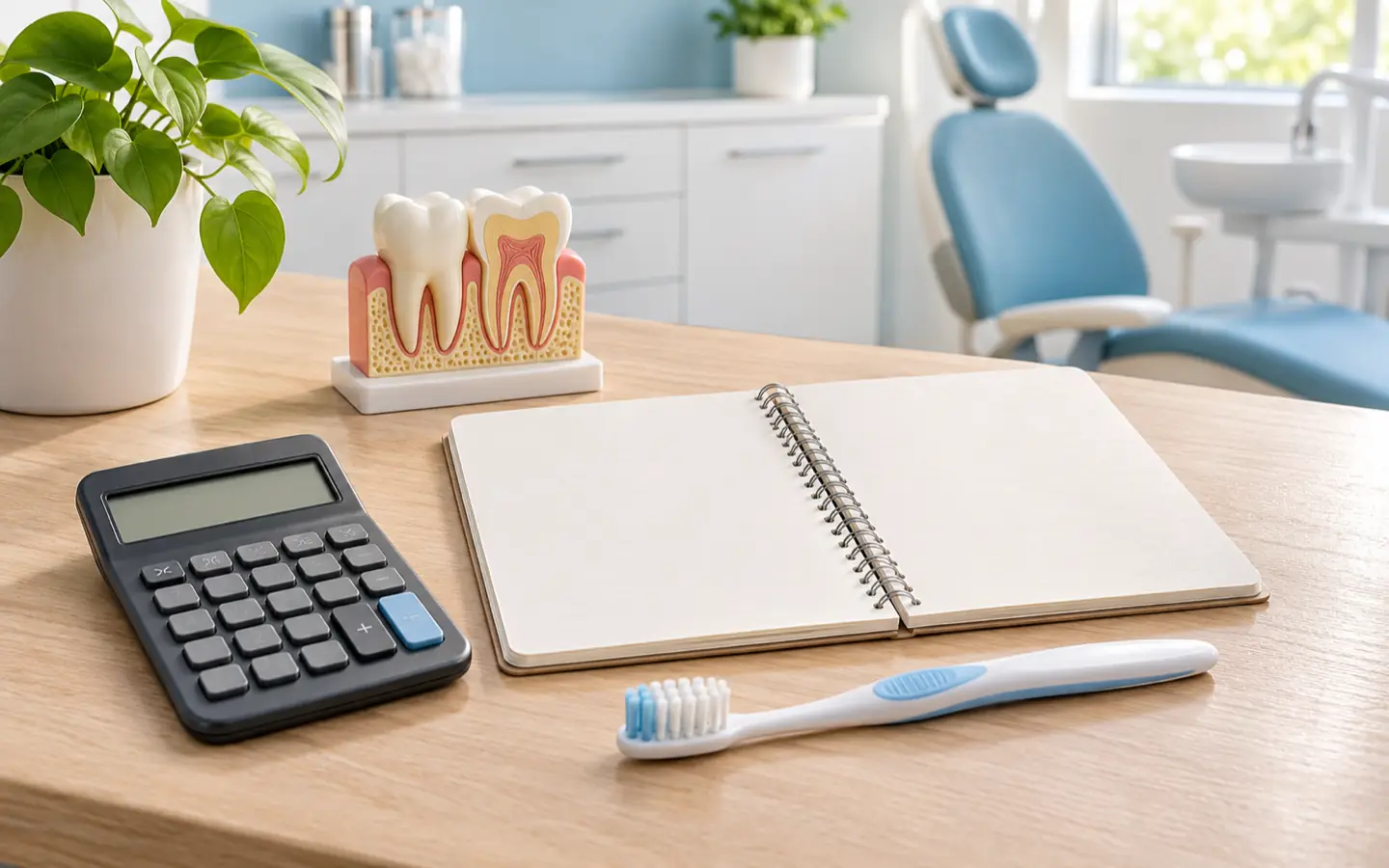
 What affects dental care costsDental care costs depend on where you live, the dentist's experience, the materials used, and your insurance. Knowing these factors helps you plan and ask for cost estimates before treatment.
 Dental insurance

 Annual maximums, deductibles and coinsuranceAnnual maximums, deductibles, and coinsurance are three common ways dental plans share costs with you. Knowing how they work helps you plan and avoid surprise bills.

 Dental PPO vs. DHMO plansDental PPO plans usually let you see dentists in and out of network. They often have higher premiums and annual maximums. DHMO plans often have lower premiums and no annual maximum. But you usually choose a primary care dentist and get referrals for specialists.

 Discount dental plans vs. insuranceA discount dental plan gives you lower fees at participating dentists. You pay the dentist directly. Dental insurance usually has monthly premiums, deductibles, and copays. The insurance company pays part of covered services.

 How dental insurance waiting periods workA dental insurance waiting period is the time after your plan starts when some services are not covered yet. Many plans cover preventive care right away. They may delay coverage for fillings, crowns, braces, and other basic or major work.

 How Dental Insurance WorksDental insurance helps lower your cost for many dental services. It is not the same as medical insurance. Learn your plan's rules so you can avoid surprise bills and use your benefits well.

 How to check if a dentist takes your insuranceChecking if a dentist takes your insurance takes a few simple steps. Start with your insurance company's provider directory. Then call the dental office and your insurance company to confirm the dentist is in-network before you book.

 In-network vs. out-of-network dentistsIn-network dentists agree to your plan's fees and file claims for you. That often lowers your out-of-pocket cost. Out-of-network dentists can still treat you, but you may pay more and do more paperwork.

 Medicaid and CHIP dental coverage basicsMedicaid and CHIP dental coverage changes by state and age, so benefits vary widely. This guide explains the basics, what to ask, and how to find a dentist who accepts your coverage.

 Medicare and dental careOriginal Medicare does not cover most routine dental care. Some Medicare Advantage plans and separate dental plans can help pay for dental care. Dentist Navigator can help you find a dentist.
 Choosing a dentist

 Group dental offices vs. private practicesGroup dental offices and private practices both offer routine and specialty dental care. They can differ in how they schedule visits, handle insurance, and assign dentists. Knowing these differences can help you pick a setting that feels comfortable and fits your life.

 How to check a dentist’s licenseEvery state requires dentists to have a current license to practice. You can check the license for free on your state dental board website. This guide shows you how to read the status and spot warning signs.

 How to choose a dentistChoosing a dentist is about fit: insurance, location, office hours, and how the team treats you. Use this guide to narrow your options, know what to check, and ask good questions before you book.

 How to switch dentistsSwitching dentists is normal when your needs change, your insurance changes, or you want a better fit. Make the move easier. Request your dental records, check your insurance network, and ask a new office the right questions before your first visit.

 Questions to ask a new dentist before your first visitChoosing a new dentist is easier when you know what to ask. This guide covers insurance, scheduling, treatment planning, and emergency care. It helps you find a dentist who fits your needs and how you like to communicate.

 Types of dentists and dental specialistsGeneral dentists handle most routine care. Specialists get extra training for certain problems. Examples include root canals, gum disease, braces, and oral surgery.
 Care and comfort

 Bad breath: causes and what helpsBad breath, also called halitosis, is usually caused by bacteria in the mouth, food particles, a dry mouth, or certain health conditions. Simple daily habits like brushing, flossing, cleaning your tongue, and seeing a dentist regularly can help most people manage it.

 Cavities: how they start and how to prevent themCavities are small holes in tooth enamel caused by acid from bacteria that feed on sugars and starches. You can help prevent them with daily brushing and flossing, fluoride, smart eating habits, and regular dental checkups.

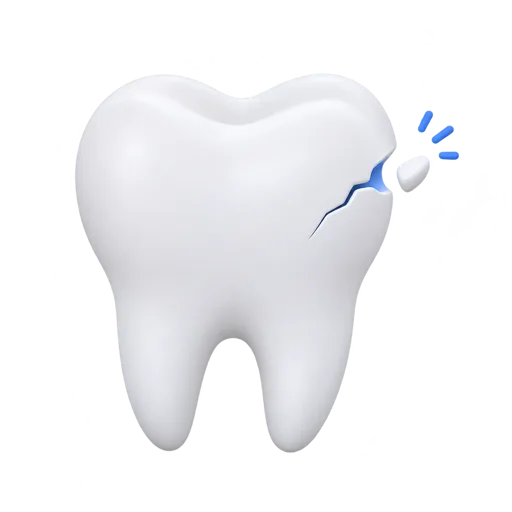 Cracked or chipped tooth: next stepsRinse your mouth with warm water, cover any sharp edge, and call a dentist. A small chip may only need smoothing or bonding, while a deeper crack can affect the tooth's nerve and may require a crown (a cap that covers the tooth) or root canal.

 Dental anxiety: what helpsDental anxiety is common. It can make dental visits hard. Talk openly with your dentist, try relaxation tools, and learn about sedation. These steps can help you feel more in control.

 Dental care for people with special needsDental care for people with special needs can work well with planning, clear communication, and a caring dental team. This guide tells you what to expect, how to prepare, and how to find a dentist who is a good fit.

 Dental emergencies: what to do firstA dental emergency often includes severe pain, bleeding, swelling, or a knocked-out tooth. Start with basic first steps at home. Then contact a dentist right away or go to an emergency room if symptoms are serious.

 Gum disease: signs and treatment optionsGum disease often starts with bleeding or swollen gums. Early treatment and good daily care can help you manage it and protect your smile.

 How often should you see a dentistMost adults should see a dentist for a checkup and cleaning every 6 months. Your personal schedule may be shorter or longer based on your oral health, medical conditions, and risk factors.

 How to Find an Emergency DentistIf you have a dental emergency, call a dentist right away. Go to an emergency room for serious symptoms. This guide explains what counts as urgent dental care, how to find an emergency dentist near you, and what to expect.

 Sedation dentistry options explainedSedation dentistry uses medicine to help you feel calm during dental care. Options range from mild laughing gas to deeper sedation. The right choice depends on your health, anxiety, and the procedure.

 Sensitive teeth: causes and what helpsSensitive teeth can cause sharp pain when you eat or drink something hot, cold, sweet, or acidic. Usually the cause is worn enamel or receding gums. A dentist can help you find relief and check for more serious problems.

 Tooth pain: common causes and when to see a dentistTooth pain is often a sign that something in your mouth needs attention. Mild discomfort may improve with home care. But pain that lasts, worsens, or comes with swelling or fever should be checked by a dentist promptly.
 Treatments explained

 Bone grafts for dental implantsA dental bone graft adds or rebuilds bone in your jaw so a dental implant has a stable base. Ask your dentist whether you need one and what your healing may look like.

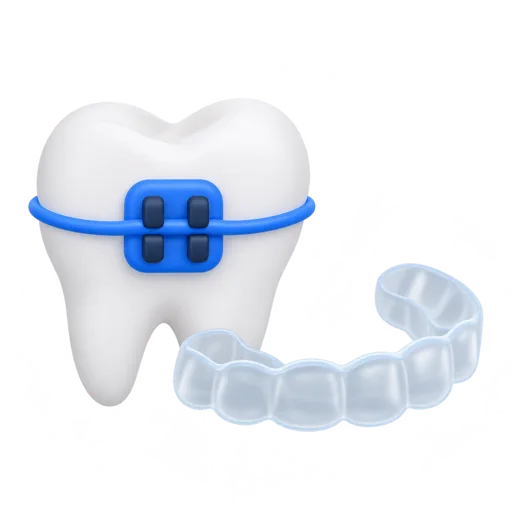 Braces or clear aligners: what to knowBraces use brackets and wires that stay on your teeth. Clear aligners are plastic trays you can take out. The right choice depends on your bite, lifestyle, and treatment needs. Talk with a dentist or orthodontist about what fits your situation.

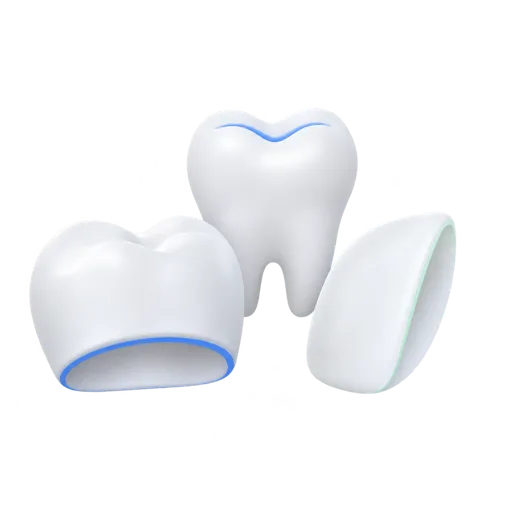 Crowns vs. veneers: how they compareA crown covers the whole tooth. It adds strength and repairs damage. A veneer is a thin shell on the front of a tooth. It is mainly for looks.

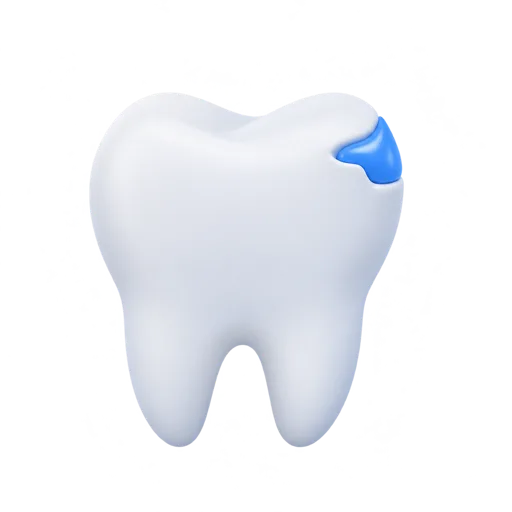 Dental bonding explainedDental bonding is a procedure where a dentist applies a tooth-colored resin to repair minor chips, cracks, gaps, or discoloration. The material is shaped and hardened to blend with your tooth, usually in one visit without removing much tooth structure.

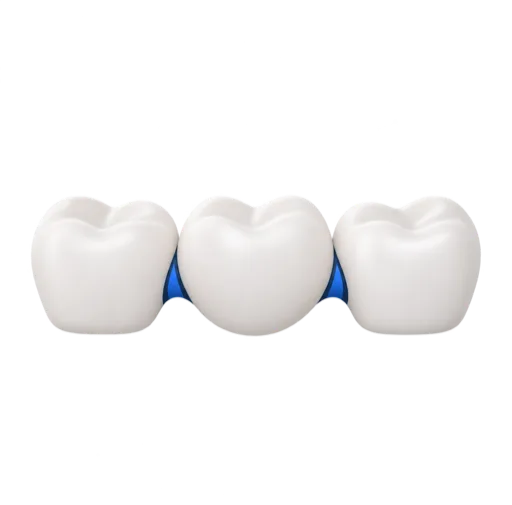 Dental bridges explainedA dental bridge fills a gap from one or more missing teeth by anchoring a false tooth to nearby teeth or implants. It can help you chew and speak more comfortably and keep nearby teeth from shifting.

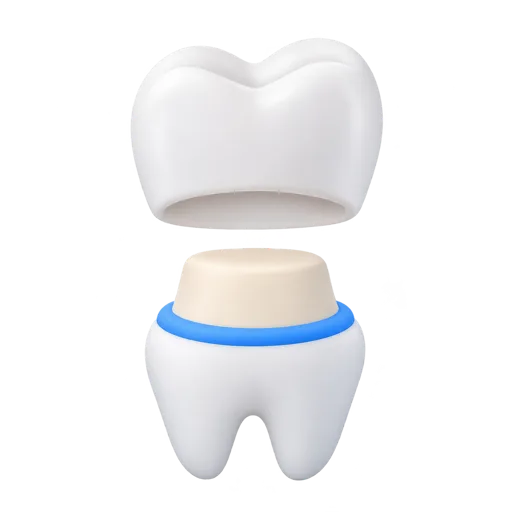 Dental crowns explained: what to expectA dental crown is a cap that covers a damaged or weakened tooth to restore its shape, strength, and appearance. Getting a crown usually takes two visits: one to prepare the tooth and place a temporary crown, and one to fit the permanent crown.

 Dental fillings explained: what to expectA dental filling repairs a cavity or small area of tooth damage. Your dentist removes decay, places a filling material, and shapes the tooth so it can work normally again.

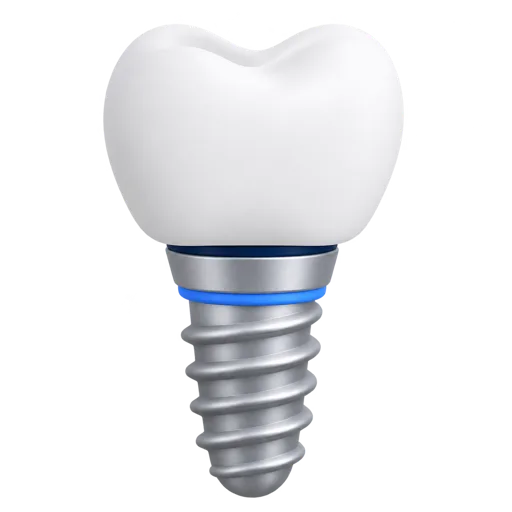 Dental implants explainedA dental implant is a titanium post placed in the jawbone to replace a missing tooth root, with a crown attached on top. This guide explains the process, what to expect, risks, and how to talk with your dentist about your options.

 Dental sealants explainedDental sealants are thin, protective coatings painted onto the chewing surfaces of back teeth to help block out food and bacteria that can cause cavities. They are quick to apply and often used for children and teens, but some adults may benefit too.

 Dental X-rays: types and safetyDental X-rays show cavities, bone loss, infections, and tooth positions a visual exam cannot see. Modern dental X-rays use very small amounts of radiation. Your dentist chooses the type and timing based on your personal risk.

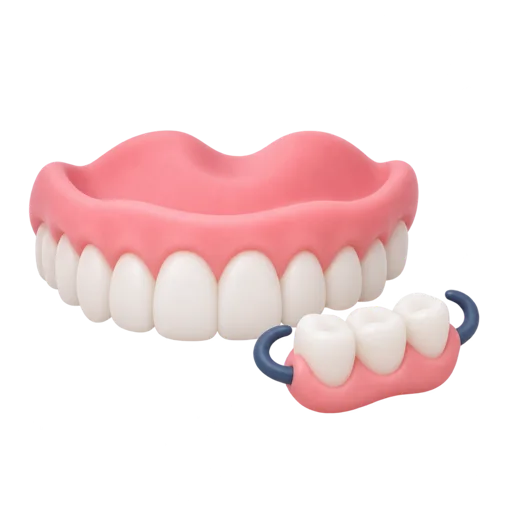 Dentures and partials explainedDentures and partials replace missing teeth and can be removed. They can help you chew, speak, and smile more comfortably. They take time to get used to and need daily care.

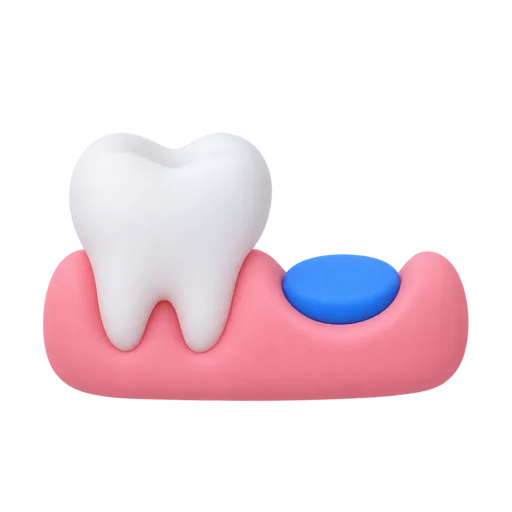 Dry socket: signs and what to doDry socket is a painful condition that can happen after a tooth extraction when the blood clot at the extraction site becomes dislodged or dissolves too early. This guide explains the signs, what to do, and how your dentist can help manage the discomfort while the area heals.

 Fluoride Treatments ExplainedFluoride treatments are a quick preventive service that can help strengthen tooth enamel and lower the risk of cavities. They are often applied as a gel, foam, or varnish in a dental office and are not a substitute for daily brushing and flossing.

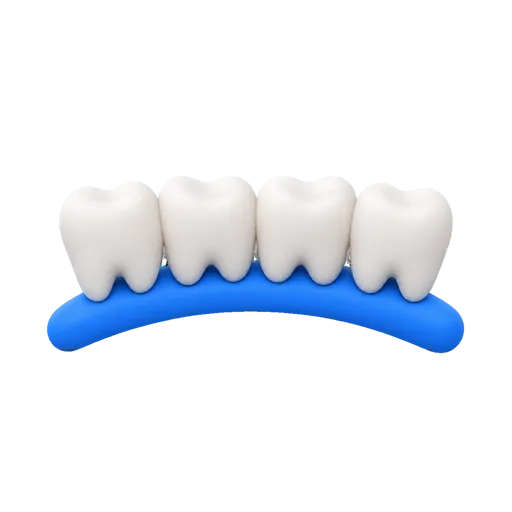 Full-arch implants (All-on-4 style) explainedFull-arch implants replace a full row of upper or lower teeth. They use a few implants and a fixed bridge. This guide covers the process, recovery, risks, and questions to ask a dentist.

 Gum grafts explainedA gum graft is a surgical procedure that covers exposed tooth roots with tissue, often from the roof of your mouth or a donor source. It may help protect teeth, reduce sensitivity, and improve gum health, but you should ask a periodontist about your own situation.

 How braces workBraces use steady, gentle pressure to guide teeth into new positions over time. Treatment often lasts 18 to 36 months, and your dentist or orthodontist will adjust the braces at regular visits.

 How Clear Aligners WorkClear aligners are removable plastic trays that fit over your teeth and apply gentle, controlled pressure to shift them into a new position. You wear each set for about one to two weeks, then switch to the next set as your teeth slowly move.

 Inlays and onlays: what they areInlays and onlays are custom-made repairs for a back tooth with moderate decay or damage. They fit inside or over the chewing surface and can preserve more natural tooth than a crown.

 Laughing gas (nitrous oxide) at the dentistLaughing gas, also called nitrous oxide, is a light form of dental sedation. You breathe it through a small mask over your nose. It helps you feel calm and relaxed. You stay awake and can respond. It wears off quickly after the mask is removed.

 Oral cancer screening at the dentistAn oral cancer screening is a visual and physical exam your dentist or hygienist does to look for early signs of cancer or precancerous changes in your mouth. It is not a diagnosis, but it can help find areas that need a closer look.

 Retainers after braces or alignersA retainer holds teeth in their new position after braces or clear aligners. Most people wear one full time at first, then at night, and many need it long term to prevent shifting.

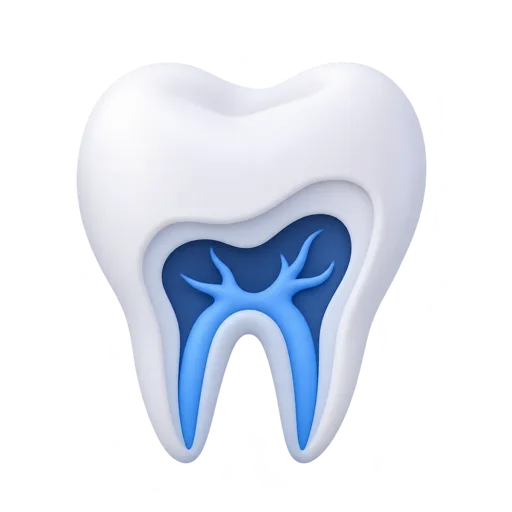 Root Canals Explained: What to ExpectA root canal is a common dental procedure. It treats infection or damage inside a tooth. It removes the inflamed or infected pulp, cleans the inside of the tooth, and seals it. This helps you keep your natural tooth.

 Scaling and root planing (deep cleaning) explainedScaling and root planing is a non-surgical deep cleaning that removes plaque and tartar from below the gumline and smooths tooth roots. It is often recommended when gum disease has caused pockets between the teeth and gums, and it may be split into two or more visits.

 Teeth grinding and night guardsTeeth grinding, also called bruxism, can wear down enamel and cause jaw pain. A night guard is a plastic mouthpiece you wear while sleeping to cushion your teeth and reduce damage.

 Teeth Whitening Options ComparedYou can whiten teeth at the dentist's office or at home. At home, you can use custom trays, strips, or whitening toothpaste. Results and side effects vary. Talk with a dentist about which approach fits your teeth and goals.

 TMJ and jaw pain: when to see a dentistJaw pain and TMJ symptoms often come from jaw muscles, joints, or nearby teeth. A dentist can check for common causes, suggest ways to ease discomfort, and refer you to a specialist if needed.

 Tongue-tie and lip-tie release (frenectomy)A frenectomy is a minor surgery that releases a tight or thick band of tissue under the tongue or upper lip. It may help with feeding, speech, or oral hygiene when the tissue limits movement. It is not right for everyone.

 Tooth extraction: what happens and how to healTooth extraction is a common procedure done to remove a damaged, decayed, or problematic tooth. Recovery usually takes about one to two weeks, and following your dentist's aftercare instructions helps the area heal safely.

 Veneers explained: what to expectDental veneers are thin, custom-made shells that cover the front surface of teeth to change their color, shape, size, or length. This guide walks you through types, the step-by-step process, aftercare, risks, and what to ask your dentist before deciding.

 What happens at a dental cleaningA dental cleaning removes plaque, tartar, and surface stains from your teeth. It usually includes an exam, scaling, polishing, flossing, and sometimes fluoride.

 Wisdom Teeth ExplainedWisdom teeth are the last molars to come in, usually between ages 17 and 25. When they don't have room, they can cause pain, infection, or damage to nearby teeth, so a dentist or oral surgeon may recommend removal.
 Kids, seniors and family

 Baby teeth and teethingBaby teeth start coming in between 6 and 10 months for most babies, and teething can cause drooling, chewing, and fussiness. Gentle cleaning, safe comfort measures, and an early dental visit help protect your child's smile.

 Choosing a pediatric dentistA pediatric dentist has extra training in children's teeth, gums, and behavior. Look for one who talks clearly, has a calm office, and takes your dental plan. Then schedule a first visit by age one or when the first tooth appears.

 Dental care during pregnancyDental care is safe and important during pregnancy. Tell your dentist you are pregnant, and keep up with cleanings, exams, and any needed treatment.

 Dental care for older adultsAs you get older, certain risks go up. These include dry mouth, gum disease, root decay, and tooth loss. Most problems can be managed with daily care and regular dental visits. Use this guide to understand common changes and keep your mouth healthy. Find a dentist who takes your insurance.

 Orthodontics for teensOrthodontics can straighten teeth and fix bite problems during the teen years. This guide explains common options, what treatment is like, and how to talk with a dentist about cost and insurance.

 Your child’s first dental visitA child's first dental visit usually happens by age 1 or when the first tooth appears, whichever comes first. This early checkup helps your child get used to the dental office and lets the dentist look for early signs of problems.