
Dentures and partials explained
Dentures and partials replace missing teeth and can be removed. They can help you chew, speak, and smile more comfortably. They take time to get used to and need daily care.
- 2,224 prosthodontic offices listed
- in 49 states
5 min readPublished November 21, 2026Updated November 21, 2026
AI-assisted. AI disclosureEditorial policy













What are dentures and partials?
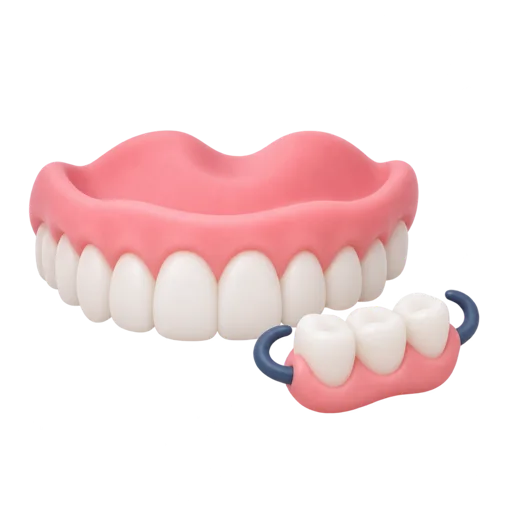
Dentures and partials are replacements for missing teeth that you can remove. They sit over your gums. Partials attach to your remaining natural teeth or dental implants. They can help you chew, speak clearly, and keep the shape of your smile after tooth loss.
Full dentures replace all teeth in your upper jaw, lower jaw, or both. A partial denture replaces only some teeth. It fits around your remaining natural teeth.
Why people get dentures or partials
You may need replacement teeth because of tooth decay, gum disease, an injury, or another problem. Missing teeth can make it harder to chew, speak, and feel comfortable smiling. Replacing them may also help keep your other teeth in place and support the shape of your face.
Only a dentist can tell you if dentures or another option, such as a bridge or implants, is right for you.
Types of dentures
There are several types. Your dentist can help you choose the option that fits your mouth, health, and daily routine.
Conventional full dentures
A conventional full denture is made after your gums heal from any tooth removal. Healing can take several weeks or longer. The denture is made from molds of your mouth and rests on your gums.
Immediate dentures
An immediate denture is placed the same day your teeth are removed. You do not have to be without teeth while you heal. Your gums and bone change shape as they heal. So an immediate denture often needs more adjustments or a reline later. A reline adds new material to improve the fit.
Partial dentures
A partial denture fills gaps when you still have some healthy natural teeth. It usually has a metal or flexible frame with clasps that fit around those teeth. Partials can help keep your remaining teeth from moving into open spaces.
Flexible partial dentures
Some partial dentures are made from flexible resin instead of hard acrylic or metal. They may feel more comfortable for some people. They are not right for everyone. Your dentist can explain the differences and help you decide.
Implant-supported dentures
Some dentures attach to dental implants placed in your jawbone. They may feel more stable for some people. They require surgery and are not right for everyone. Your dentist can explain the steps, healing time, and whether this option is possible for you.
What to expect when you get dentures
New dentures often feel strange at first. That is normal. Most people need time to get used to them.
The first few weeks
You may notice more saliva, sore spots, or a feeling that the denture is too big. Your speech may sound different. These issues often improve as your mouth gets used to the denture. Tell your dentist about sore spots or looseness. They can make adjustments.
Eating with new dentures
Start with soft foods cut into small pieces. Chew slowly and use both sides of your mouth. This helps keep the denture stable. Add firmer foods as you feel ready. At first, avoid very sticky or hard foods.
Speaking with new dentures
Practice reading aloud or talking with a friend. If a word is hard to say, repeat it slowly. Your tongue and cheeks need time to learn how to move around the denture.
How to care for dentures and partials
Good cleaning helps prevent stains, odors, and mouth irritation. It also helps keep any remaining teeth and gums healthy.
Daily cleaning
- Rinse your denture after eating to remove food.
- Brush it daily with a soft brush made for dentures and a cleaner made for dentures.
- Avoid regular toothpaste. It can be too rough.
- Brush your gums, tongue, and any natural teeth with a soft toothbrush and fluoride toothpaste.
Soaking and overnight care
Most dentists recommend taking dentures out at night to let your mouth rest. Soak them in water or a denture soaking solution. Follow the product label. Do not use hot water. It can warp the material.
Handle with care
Stand over a folded towel or a sink full of water when cleaning. Dentures can break if dropped. If you notice a crack, chip, or loose fit, do not try to fix it yourself. See your dentist.
Living with dentures
Dentures are not a one-time fix. Your mouth changes over time. Your denture may need attention.
Fit changes
Gums and bone can shrink or change shape after tooth loss. A denture that once fit well may start to feel loose. Denture adhesive may help for a short time. But a loose denture is a sign to see your dentist. They can check if you need a reline, a rebase (replacing the denture base), or a replacement.
Using denture adhesive
Denture adhesives come as pastes, powders, or strips. They can help a well-fitting denture feel more secure. Follow the package directions and use only a small amount. If you need adhesive to keep a denture from moving all day, see your dentist. Adhesive is not a fix for a poor fit.
Regular dental visits
Even with no natural teeth, keep seeing your dentist. They check your gums, tongue, and mouth tissue. They also check the fit of your denture.
When to call your dentist
Call your dentist if you have:
- Sore spots that do not go away
- A cracked or broken denture
- A loose fit that makes eating or speaking hard
- Mouth pain, swelling, or bleeding
- Bad breath or a bad taste that does not improve
Do not ignore these issues. They may mean your denture needs adjustment or your mouth needs care.
Finding a dentist for dentures and partials
General dentists and prosthodontists both provide dentures and partials. A prosthodontist is a dentist with extra training in replacing missing teeth. When you look for a dentist, ask about their experience with dentures, what types they offer, and how they handle follow-up adjustments.
Dentist Navigator lets you search dentists by insurance, specialty, and location. This can help you find a provider who takes your plan and offers denture care.
Sources
How long do dentures last?
With good care, dentures may last for several years. But your mouth can change shape over time. Your dentist can tell you if your denture needs a reline, rebase, or replacement. Regular check-ups help catch fit problems early.
Will dentures look natural?
Modern dentures are custom-made to match the shade of your gums and the size and shape of your natural smile. Your dentist can show you how the denture will look and make changes at try-in appointments. No denture is exactly like natural teeth. Many people find the appearance works well for them.
Can I sleep with my dentures in?
Most dentists recommend taking dentures out at night. This lets your gums rest and lowers the risk of irritation or infection. If your dentist gives different instructions, follow those. Soak the denture overnight as directed.
Do partial dentures hurt my other teeth?
A partial denture puts some pressure on the teeth it attaches to. A well-fitting partial and good cleaning can lower the chance of problems. See your dentist if a clasp feels too tight or if an anchor tooth becomes sensitive.
How do I know if I need new dentures?
Signs may include looseness, cracks, sore spots, trouble chewing, or changes in how the denture fits against your gums. Your dentist can check the denture and your mouth. They may suggest an adjustment, reline, or replacement. Do not try to repair a denture at home.
Related

 Planning for denturesPlanning for dentures starts with a dental exam and a talk about your goals, health, and budget. This guide covers types of dentures, what to expect, costs, and how to find a dentist who takes your insurance.

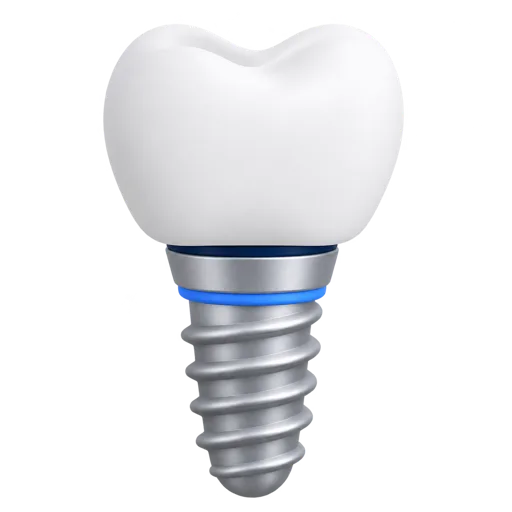 Dental implants explainedA dental implant is a titanium post placed in the jawbone to replace a missing tooth root, with a crown attached on top. This guide explains the process, what to expect, risks, and how to talk with your dentist about your options.

 Dental care for older adultsAs you get older, certain risks go up. These include dry mouth, gum disease, root decay, and tooth loss. Most problems can be managed with daily care and regular dental visits. Use this guide to understand common changes and keep your mouth healthy. Find a dentist who takes your insurance.
Find a dentist
Find a denture dentist