
Planning for dentures
Planning for dentures starts with a dental exam and a talk about your goals, health, and budget. This guide covers types of dentures, what to expect, costs, and how to find a dentist who takes your insurance.
- 2,224 prosthodontic offices listed
- in 49 states
5 min readPublished November 21, 2026Updated November 21, 2026
AI-assisted. AI disclosureEditorial policy













What dentures are and how they work
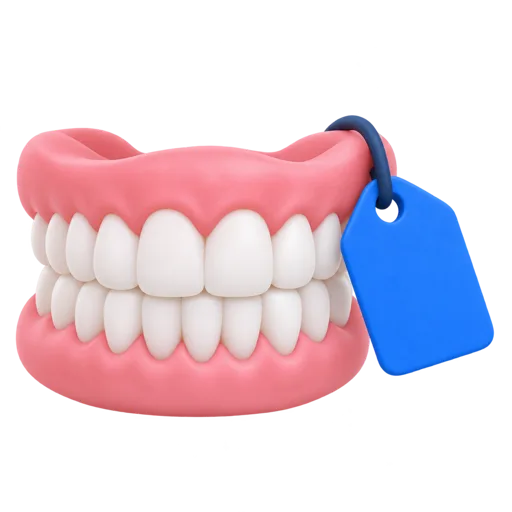
Dentures replace missing teeth and the gum tissue around them. You can take them out. A complete denture replaces all teeth in the upper jaw, lower jaw, or both. A partial denture fills gaps when some natural teeth are still there. Dentures help you chew and speak. They also support your facial shape. They are made to fit your mouth.
First steps in planning for dentures
Start with a dental exam. The dentist checks your gums, remaining teeth, bone, and soft tissues. Bring a list of medications and any health conditions. Ask about treatment options and how long they take. If you need teeth removed or gum treatment first, that may happen before or with dentures. Do not rush. Good planning can save you time and discomfort later.
Types of dentures you may hear about
Complete dentures
These replace all teeth in one jaw or both. They sit on your gums. They may stay in place with suction, adhesive, or a close fit to the bone ridge under your gums. They are often made after your gums heal from tooth removal.
Partial dentures
Partial dentures use a metal or flexible plastic frame to clasp onto your remaining teeth. They fill spaces where teeth are missing. Keep your remaining teeth healthy. They support the partial.
Immediate dentures
Immediate dentures are made before your teeth are removed. You get them the same day as the removal. They protect the healing area and give you teeth right away. They usually need several adjustments as your gums shrink and heal.
Implant-supported dentures
These dentures snap onto dental implants, which are small posts placed in your jawbone. They tend to feel more stable than conventional dentures. Not everyone can get them. They involve surgery and take longer. Ask your dentist if this option fits your situation.
How the process usually goes
The process may vary, but common steps include:
- Exam and records: X-rays, molds of your mouth, and measurements.
- Treatment plan: The dentist explains options, how long it takes, and costs.
- Any needed tooth removal or gum care.
- Molds and try-in: You try a wax or trial version to check fit, bite, and look.
- Final fitting: The denture is placed and adjusted.
- Follow-up visits: You may need several visits to fine-tune comfort and fit.
Recovery and getting used to them takes time. Speaking and eating with new dentures may feel awkward at first. Practice with soft foods. Read aloud to help your tongue adjust.
What affects the cost of dentures
There is no single price for dentures. The type of denture matters. A partial usually costs less than a complete set. Implant-supported options cost more because of surgery and implants. Materials make a difference too. Basic acrylic, flexible nylon, or high-quality materials can change the price. If you need teeth removed, bone smoothing, or gum disease treatment first, that adds separate fees. Where you live and the dentist’s experience also affect fees. Insurance and plan rules affect what you pay.
Many things affect the total cost. These include the type of denture, materials, and number of teeth replaced. They also include any tooth removal or bone work, the dentist’s fees in your area, and how many follow-up visits you need. See the table below for general price ranges reported for common denture services. Remember, these are broad ranges, not a quote. Your dentist can give you a written treatment plan after an exam.
Paying for dentures
Dental insurance often helps pay for part of dentures, but plans vary. Many plans have a waiting period before they cover major procedures. They may also have an annual maximum, which is the most the plan pays in a year. Ask your insurance company for a pre-treatment estimate. This is sometimes called a predetermination. It shows what your plan may pay and what you may owe.
If you have Medicaid, check with your state program. Adult dental benefits differ by state. Medicare usually does not cover routine dental care. Some Medicare Advantage plans do offer dental benefits. A flexible spending account (FSA) or health savings account (HSA) may let you use pre-tax dollars for dentures. Some dental offices offer payment plans. Dental schools or community clinics may offer lower-cost options. Always get the plan details in writing before you start.
Questions to ask your dentist or insurance
Before you commit, ask:

Which type of denture do you recommend for my mouth and why?
How many visits will this take, and how long is the adjustment period?
What is included in the total fee? Are adjustments, relines (reshaping to fit), or repairs extra?
What are my options if the denture feels loose or sore?
Will my dental insurance cover this? Can you send a pre-treatment estimate?
How should I care for the denture and my remaining teeth?
Taking notes can help you compare options.
Finding a dentist
A dentist who takes time to explain steps and answer questions can make the process easier. If you have dental insurance, start with dentists in your plan’s network. Dentist Navigator lets you search for dentists by insurance, specialty, and location. Look for a provider who is comfortable with dentures and offers follow-up care. Call the office. Ask about their denture process and whether they give written estimates. You can also ask friends or family for recommendations. Always confirm the dentist takes your insurance and is licensed in your state.
Sources
How long do dentures typically last?
Dentures often need adjustments, relines, or replacement over time. Your mouth and bone can change. Many people find their dentures need attention after several years, but the timeline varies. Ask your dentist how to know when a reline or replacement is right for you.
Will dental insurance pay for dentures?
Many dental plans cover part of the cost, but coverage varies. There may be waiting periods, annual maximums, and limits on how often you can get a replacement. Ask your insurance company for a pre-treatment estimate before you start.
What is the difference between a full denture and a partial denture?
A full denture replaces all teeth in one jaw or both. A partial denture fills gaps when you still have some natural teeth. Partials usually clasp onto remaining teeth for support. Your dentist can tell you which type fits your mouth and needs.
Can I eat normally with dentures?
At first, eating with dentures takes practice. Start with soft foods, cut food into small pieces, and chew slowly on both sides of your mouth. Over time, many people adjust, but some foods may still be hard to eat. Talk with your dentist if eating remains painful or difficult.
Do I need to remove my dentures at night?
Many dentists recommend removing dentures at night to let your gums rest and to clean the denture. Follow the care instructions your dentist gives you for your specific denture type. If you have questions about soaking or cleaning, ask your dental team.
Related

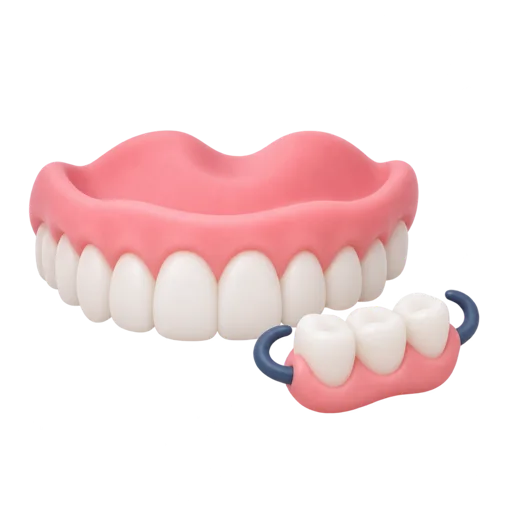 Dentures and partials explainedDentures and partials replace missing teeth and can be removed. They can help you chew, speak, and smile more comfortably. They take time to get used to and need daily care.

 Ways to pay for larger dental workYou can pay for larger dental work through insurance, payment plans, tax-advantaged accounts, dental savings plans, or lower-cost clinics. The right approach depends on your treatment plan, insurance details, and budget. Ask your dentist for a written estimate and compare your options.

 How Dental Insurance WorksDental insurance helps lower your cost for many dental services. It is not the same as medical insurance. Learn your plan's rules so you can avoid surprise bills and use your benefits well.
Find a dentist
Find a denture dentist