
Dental specialties explained
Last updated November 21, 2026
Most dental care starts with a general dentist. This guide explains what each dental specialist does, when you may need one, and how referrals often work. Use Dentist Navigator to find dentists by location, insurance, specialty, and need. This page is general education, not medical advice. Talk to a dentist about your situation. For emergencies, call 911.
- 230,728 offices listed
- in 51 states


- General dentists188,364 officesFind general dentists near you. Learn what they treat, what to ask, and how insurance often works. Search free by location, insurance, and need.

 Pediatric dentists8,827 officesFind pediatric dentists near you. Compare by insurance, location and specialty. See license verified facts and sources. Free to search, no account needed.

 Orthodontists14,664 officesFind orthodontists near you. See what they treat, what to expect at a first visit, insurance basics, and questions to ask. Search by location, insurance, and more.

 Endodontists: Root Canal Specialists4,810 officesFind endodontists near you. Learn what root canal specialists do, when to see one, questions to ask, and how to search by insurance and location.

 Periodontists (gum specialists)4,504 officesFind local periodontists for gum disease, implants, and gum surgery. Learn what to expect, what to ask, and how to search by specialty, insurance, and location.

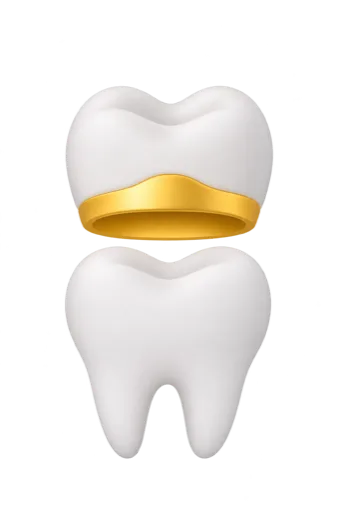 Prosthodontists2,224 officesFind a prosthodontist near you. Learn what they do, when to see one, what to ask, and how to search by insurance and specialty on Dentist Navigator.

 Oral surgeons6,557 officesLearn what oral surgeons do, when you may need one, what to expect at a first visit, and how to find a licensed oral surgeon near you with Dentist Navigator.

 Emergency Dentists: What to Know and How to Find Care241 officesLearn what emergency dental care is, when to get help, what to expect, and how to find an emergency dentist near you. Free directory, no account needed.

 Sedation dentists82 officesFind a sedation dentist near you. Learn what sedation dentistry is, what to expect, questions to ask, and insurance basics. Free search.

 Dental implant dentists near you2,384 officesFind dental implant dentists near you. Compare by location, insurance, and specialty. Free, no account needed. See license checks and practice-confirmed facts.

 Clear aligner and Invisalign dentists165 officesFind clear aligner and Invisalign dentists near you. See what to expect, questions to ask, insurance basics, and search free with Dentist Navigator.

 Cosmetic dentists1,202 officesLearn what cosmetic dentists do, common treatments, what to expect, and how to find one near you with Dentist Navigator. Free directory, no account needed.

 Dentists that take Medicaid and low-cost dental care8 officesFind dentists that take Medicaid or offer low-cost dental care near you. Search free by location and need. Learn what to expect and what to ask.

 Special needs dentists4 officesFind a dentist who works with patients with special needs. Search by location and insurance. Check licenses and read what to ask at a first visit.
Start with a general dentist
General dentists handle most everyday dental care. They do exams, cleanings, fillings, and simple extractions. They also spot problems early and refer you to a specialist when needed.
See a general dentist for routine care, tooth pain, bleeding gums, or a broken tooth. They can treat many issues in one office.
When you need more focused care, the general dentist's referral helps the specialist understand your history. You can also search for a specialist on your own. Dentist Navigator lists both general dentists and specialists. Each listing shows its source and check date.
Endodontists and periodontists
An endodontist is a root canal specialist. They treat pain and infection inside the tooth. See one for a deep cavity that reaches the nerve, a cracked tooth, or a failed root canal.
A periodontist treats the gums and bone that hold teeth in place. They handle gum disease, gum grafts, and dental implants. See one for loose teeth, receding gums, or deep gum pockets.
General dentists can do some root canals and gum treatments. Complex cases often go to these specialists.
Orthodontists and pediatric dentists
An orthodontist corrects tooth and jaw alignment. They use braces, clear aligners, and other devices. See one for crooked teeth, bite problems, or jaw alignment concerns.
A pediatric dentist focuses on children from infancy through the teen years. They provide exams, cleanings, sealants, and fillings for kids. They also help with dental anxiety and growth issues.
General dentists can treat adults and kids. Talk to your general dentist first if you are unsure which type of care fits.
Oral surgeons and prosthodontists
An oral and maxillofacial surgeon operates on the mouth, jaw, and face. They remove wisdom teeth, place dental implants, and treat facial injuries. See one for difficult extractions, jaw pain, or oral pathology.
A prosthodontist restores and replaces teeth. They make crowns, bridges, dentures, and implant-supported teeth. See one for complex tooth replacement, full-mouth restoration, or a bite that wears down teeth.
Many general dentists do simple extractions and single crowns. Specialists help with complex or full-mouth cases.
Other dental specialists
Dental anesthesiologists manage pain and sedation during dental procedures. Oral pathologists study diseases of the mouth and jaws. Oral radiologists read dental X-rays and other images. Dental public health specialists work on community dental programs.
You are less likely to see these specialists for routine care. They often work behind the scenes or with other dentists.
Dentist Navigator includes dental specialists based on their active NPI and dental taxonomy. NPI is a unique number for US health providers. Taxonomy is a code that describes the type of dental practice. Listing is free and not an endorsement.
Referrals and insurance: what to expect
Many dental insurance plans do not require a referral to see a specialist. You can often book directly with an endodontist, periodontist, orthodontist, or oral surgeon.
Some plans, especially HMO or managed care plans, may require a referral or prior approval. HMO stands for health maintenance organization. These plans often use a network of providers.
Ask your insurance company three questions. Do I need a referral for this specialist? Is the specialist in network? What will my share of the cost be? Dentist Navigator does not book appointments and is not an insurer. You contact practices directly. Use the insurance filter on Dentist Navigator to see which dentists list your plan.
 Delta Dental
 Blue Cross Blue Shield
 UnitedHealthcare
 Aetna
 Cigna
 MetLife
 United Concordia
 Guardian
- Medicaid
 Ameritas
 Humana
 Principal
 GEHA
 Careington
 Sun Life
 DentaQuest
 Liberty Dental
 Lincoln Financial
 Medicare Advantage
 TRICARE
 CHIP
 Renaissance
 MCNA
 Spirit
Logos identify plans. No affiliation or endorsement is implied.
How to use Dentist Navigator
Dentist Navigator is a free US directory. Search by location, insurance, specialty, and need. No account is needed.
Results are sorted by distance by default. Payment never changes the order of organic results. Any future paid placement will be labeled 'Sponsored.'
Each fact shows its source and check date. 'License verified' appears only when a state dental board record matches. Practices can claim their free listing to correct or add facts. Claimed facts show 'Confirmed by the practice' with a date.
Questions
Do I need a referral to see a dental specialist?
Many dental plans do not require a referral, but some HMO or managed care plans do. Check your specific plan before booking. Dentist Navigator does not provide insurance advice.
Can I search for a specialist without an account?
Yes. Dentist Navigator is free and you can search by location, insurance, specialty, and need without an account.
What does 'License verified' mean?
'License verified' appears only when a state dental board record matches the dentist's listing. Each fact shows its source and the date it was checked.
Does Dentist Navigator book appointments?
No. We are not a dental practice or referral service. You contact the practice directly. We do not earn fees per patient.
Is this medical advice?
No. This page is general education. Always talk to a dentist about your specific situation. For emergencies, call 911.