
Orthodontists
Last updated November 21, 2026
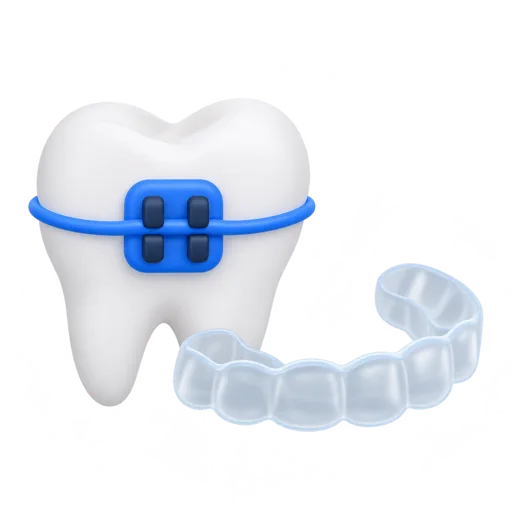
Orthodontists are dentists who fix teeth and jaw alignment. They use braces, clear aligners, and other tools to straighten teeth, fix bites, and improve how your teeth work. Use Dentist Navigator to find an orthodontist near you, check insurance, and see what services they offer.
- 14,664 orthodontic offices listed
- in 51 states














What is an orthodontist?
An orthodontist is a dentist with extra training in moving teeth and fixing bites. After dental school, an orthodontist completes an accredited residency program. This training usually lasts two to three years. It focuses on how teeth, jaws, and facial muscles work together. Orthodontists treat malocclusion. Malocclusion means teeth that do not line up right. They also treat jaw growth issues in children and teens. You may see a general dentist for cleanings and fillings. An orthodontist is the specialist for braces, clear aligners, and other tooth movement care. On Dentist Navigator, a profile shows license verification only when a state dental board record matches. Each fact shows its source and the date it was checked.
When you might need orthodontic care
Orthodontic care helps with more than a straight smile. It can fix bite problems that make chewing hard or cause jaw pain. It can also create space for crowded teeth. That makes teeth easier to clean. You might need to see an orthodontist for:
Crooked or crowded teeth
Gaps between teeth
An overbite, underbite, crossbite, or open bite

Jaw pain or clicking
Teeth that do not meet when you bite
A child's teeth coming in late or in the wrong place
A dentist may refer you to an orthodontist. You can also go directly. Some problems are easier to treat while a child is still growing. Adults can get orthodontic care too. A first step is an exam. Not every bite issue needs treatment. An orthodontist can tell you what would help and what is optional.
What to expect at a first visit
Most first visits take less than an hour. The orthodontist or a team member will look at your teeth, bite, and jaw. They may take photos and x-rays. Many offices take a digital scan instead of a traditional mold. You will talk about your goals and any concerns. Then the orthodontist will suggest a treatment plan. The plan may include braces, clear aligners, a retainer, or other appliances. You will also get a cost estimate. You do not have to decide that day. Ask for a written plan you can review at home. If you are bringing a child, ask about growth checks. Some offices start with observation before treatment.
Questions to ask an orthodontist
These questions can help you compare options and feel sure about your choice.

What treatment options fit my case?
How long will treatment likely take?
What will the total cost be, and what does that include?
Will I need to wear a retainer afterward? For how long?
How often will I need check-up visits?
What happens if a bracket breaks or an aligner cracks?
Do you have experience treating people like me? For example, adults, children, or people with jaw pain.
Write down the answers. You can also ask for a copy of the treatment plan. A clear plan makes it easier to compare offices.
How insurance usually treats orthodontic care
Orthodontic care is often handled differently from basic dental care. Many dental plans cover a part of orthodontic treatment. Some plans cover children but not adults. Others have a lifetime limit for braces. You should check your plan before you start. Ask your insurance company: 'Does my plan cover orthodontic care? Is there an age limit? What is my share of the cost?' The orthodontist's office can also check your benefits. They can give you a cost breakdown. Dentist Navigator lets you search by insurance. That filter shows practices that list your plan. Always confirm with the office and your insurer before treatment.
 Delta Dental
 Blue Cross Blue Shield
 UnitedHealthcare
 Aetna
 Cigna
 MetLife
 United Concordia
 Guardian
 Medicaid
 Ameritas
 Humana
 Principal
 GEHA
 Careington
 Sun Life
 DentaQuest
 Liberty Dental
 Lincoln Financial
 Medicare Advantage
 TRICARE
 CHIP
 Renaissance
 MCNA
 Spirit
Logos identify plans. No affiliation or endorsement is implied.
How to find an orthodontist near you
Use Dentist Navigator to find an orthodontist near you.

Type your city or ZIP code. Or allow the site to use your location.

Choose "Orthodontist" under specialty.

Add filters for insurance if needed.
Read profiles to see services, location, and license checks. Each fact shows its source and the date it was checked.
You can save dentists in your browser to compare later. No account is needed to search. Results are sorted by distance. Payment never changes the order. When you find a match, call the office directly. Dentist Navigator does not book appointments.








Questions
What is the difference between a dentist and an orthodontist?
A general dentist does cleanings, fillings, and checkups. An orthodontist has extra training after dental school in moving teeth and fixing bites. Both can be part of your care team.
Can adults get orthodontic treatment?
Yes. Adults can get braces or clear aligners. Your orthodontist will talk about options that fit your case and your lifestyle.
How long does orthodontic treatment take?
Treatment time depends on your case. Your orthodontist will estimate after an exam. Mild cases may be shorter. Complex bite issues may take longer. Ask for a written plan with a timeline.
Do I need a referral to see an orthodontist?
In most cases, no. You can contact an orthodontist directly. Some insurance plans may require a referral for coverage. Check your plan before your first visit.
Will I need to wear a retainer after braces or aligners?
Often yes. Teeth can shift after treatment. A retainer helps keep them in place. Your orthodontist will tell you how long to wear it.
Does Dentist Navigator verify orthodontist credentials?
We show license verification only when a state dental board record matches. Each fact shows its source and the date it was checked. We do not create our own ratings. Practices can claim their listing to correct or add facts.
Related

 General dentistsFind general dentists near you. Learn what they treat, what to ask, and how insurance often works. Search free by location, insurance, and need.
 Pediatric dentistsFind pediatric dentists near you. Compare by insurance, location and specialty. See license verified facts and sources. Free to search, no account needed.

 Endodontists: Root Canal SpecialistsFind endodontists near you. Learn what root canal specialists do, when to see one, questions to ask, and how to search by insurance and location.
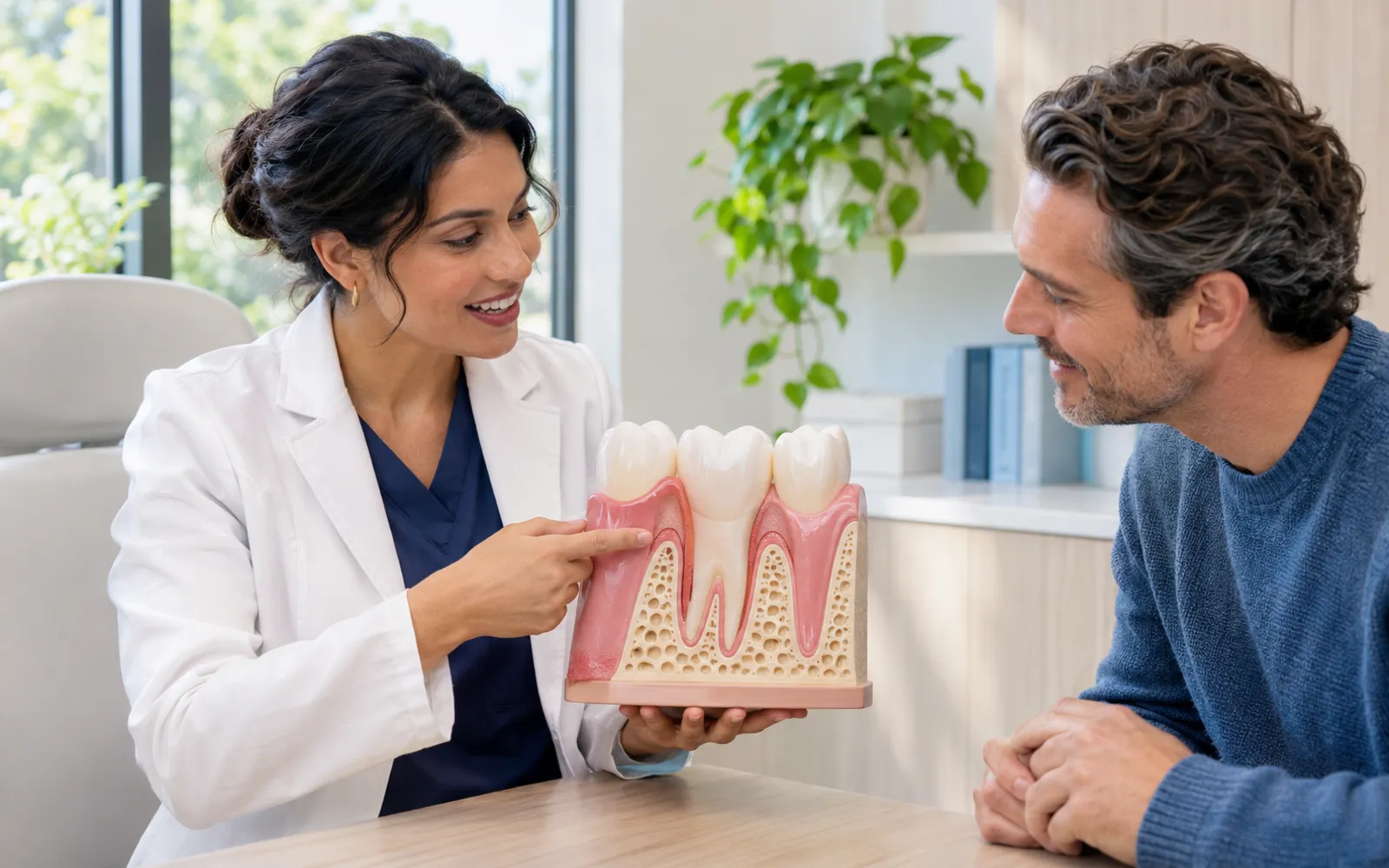
 Periodontists (gum specialists)Find local periodontists for gum disease, implants, and gum surgery. Learn what to expect, what to ask, and how to search by specialty, insurance, and location.

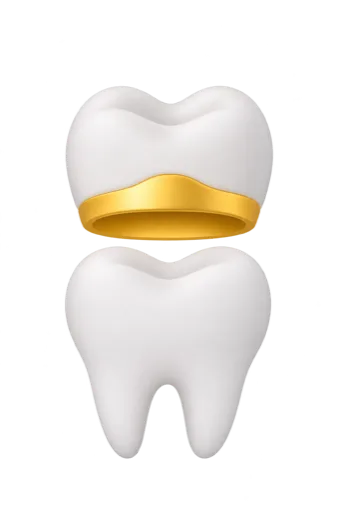 ProsthodontistsFind a prosthodontist near you. Learn what they do, when to see one, what to ask, and how to search by insurance and specialty on Dentist Navigator.

 Oral surgeonsLearn what oral surgeons do, when you may need one, what to expect at a first visit, and how to find a licensed oral surgeon near you with Dentist Navigator.