
Endodontists: Root Canal Specialists
Last updated November 21, 2026
An endodontist is a dentist with extra training in treating tooth pain and saving teeth with root canals. You may need one if you have a deep cavity, a cracked tooth, or an infection inside a tooth. This guide explains what to expect and how to find one near you. It is general education, not medical advice.
- 4,810 endodontic offices listed
- in 51 states


Find Endodontists: Root Canal Specialists near you












What an endodontist does
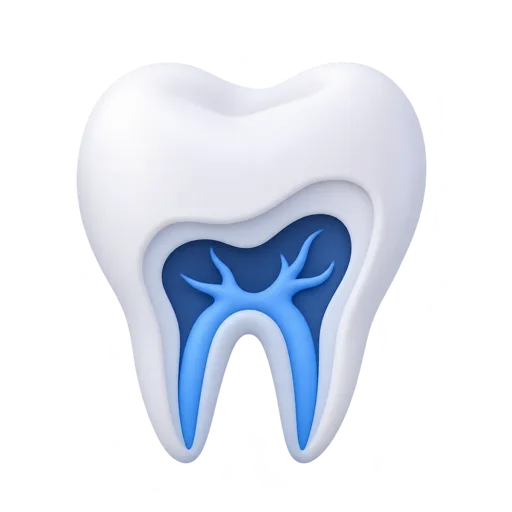
An endodontist is a dentist who focuses on the inside of your tooth. The inside part is called the pulp. It holds nerves, blood vessels, and connective tissue. When the pulp gets infected or inflamed, it can cause deep pain, sensitivity, or swelling.
Endodontists perform root canal treatment. In a root canal, the dentist removes the damaged pulp, cleans and shapes the narrow canals inside the tooth, and seals the space. A crown (a cap that covers the tooth) often goes on top later to protect the tooth.
Endodontists also treat tooth injuries, such as a tooth that gets knocked loose, and do procedures like retreatments when a previous root canal did not fully heal. They use tools and techniques designed for complex cases.
When you might need an endodontist
You do not need a special reason to see an endodontist, but these signs are common:

Tooth pain that does not go away, especially when you chew or press on the tooth
Long-lasting sensitivity to hot or cold, even after the food or drink is gone
A cracked or chipped tooth that reaches the inner part

A pimple-like bump on your gums near a tooth
Swelling or tenderness in your gums or face
A tooth that looks darker than the ones around it
Your general dentist may refer you to an endodontist after an exam and x-rays. You can also search on your own if you have these symptoms. Do not wait if you have fever, trouble breathing, or swelling that spreads. Call 911 or go to an emergency room.
What to expect at a first visit
Your first visit is about finding out what is wrong. The endodontist will ask about your pain and health history. They will look at the tooth and take x-rays, often a 3D image if the case is complex. They may tap on the tooth, apply cold or heat, or use a small tool to test how the tooth responds.
Then they will explain what they found. If you need a root canal, they will tell you how many visits it may take and what it will feel like. Many root canals are done in one visit, but some need two or more.
You can ask for a written treatment plan and a cost estimate before you agree to anything. If you are anxious, tell the office. They can explain options for comfort, such as numbing, sedation, or taking breaks.
Training and credentials
Every endodontist is a dentist first. They complete dental school and earn a dental degree. After that, they finish an accredited residency program in endodontics. This residency usually lasts two to three years and focuses on root canal treatment, tooth pain, and saving teeth.
Many endodontists choose to become board certified. Board certification is a voluntary process with extra exams and case reviews. It shows a deeper commitment to the specialty, but it is not required to practice.
On Dentist Navigator, a listing may show 'License verified' when the dentist's state dental board record matches. Each fact on a listing shows its source and the date it was checked. If a practice has claimed its listing, some facts may also show 'Confirmed by the practice' with a date.
Questions to ask your endodontist
Use these questions to guide your conversation. You can adapt them to your situation.

Do I need a root canal now, or are there other options to consider?
Can you explain what you saw on my x-rays?
How many visits will my treatment take?
What will the tooth feel like during and after the procedure?
What are the risks if I wait or choose not to treat the tooth?
Will you send a report to my regular dentist?
Can I get a written cost estimate before we start?
How should I care for the tooth between visits?
Write down the answers or ask the office to note them in your record. A clear plan helps you make a choice you can stick with.
How insurance usually treats root canals
Root canal treatment is often a major procedure under dental insurance. Many dental plans cover part of the cost, but the amount depends on your plan's benefits, deductible, and annual maximum. Endodontic care is usually billed under dental insurance, not medical insurance, unless the problem came from an injury or a medical condition.
The endodontist's office can check your benefits before treatment. Ask them to submit a pre-authorization if your plan requires one. A pre-authorization is a written approval from your insurer before you get care. You can also ask for a cost breakdown that shows what insurance may pay and what you would owe.
We cannot tell you exact prices or promise coverage. Plans vary. A helpful step is to call the number on your insurance card or ask the office to check your benefits.
 Delta Dental
 Blue Cross Blue Shield
 UnitedHealthcare
 Aetna
 Cigna
 MetLife
 United Concordia
 Guardian
 Medicaid
 Ameritas
 Humana
 Principal
 GEHA
 Careington
 Sun Life
 DentaQuest
 Liberty Dental
 Lincoln Financial
 Medicare Advantage
 TRICARE
 CHIP
 Renaissance
 MCNA
 Spirit
Logos identify plans. No affiliation or endorsement is implied.
How to find an endodontist with Dentist Navigator
Dentist Navigator is a free directory. You do not need an account to search. Here is how to use it:

Type your city, ZIP code, or address.

Choose 'Endodontist' in the specialty filter.

Add filters for your insurance or other needs if you want.
Look at results sorted by distance from you.
Each listing shows facts with a source and a check date. 'License verified' appears only when a state dental board record matches. Payment never changes the order of organic results. Any paid placement in the future would be clearly labeled 'Sponsored'.
You can save endodontists in your browser to compare later. Saved dentists stay on your device, not in an account. You contact practices directly. We do not book appointments.



Questions
What is an endodontist?
An endodontist is a dentist with extra training in treating the inside of teeth. The inside part is called the pulp. Endodontists focus on root canals, tooth pain, and saving damaged teeth.
What is the difference between a dentist and an endodontist?
All endodontists are dentists. A general dentist handles cleanings, fillings, and overall oral health. An endodontist is a specialist who completed a residency in endodontics after dental school. They focus on root canal treatment and complex tooth pain.
Does a root canal hurt?
Root canals have a reputation for pain, but the goal is to relieve pain. You will get local anesthetic to numb the area. Many people say the feeling is similar to getting a filling. After the numbness wears off, the tooth may feel sore for a few days. Over-the-counter pain medicine often helps.
How long does a root canal take?
Many root canals are done in one visit that lasts about an hour or two. Some teeth have more canals or an infection that needs more time, so the endodontist may schedule two visits. Your dentist will tell you what to expect for your tooth.
How do I know if I need a root canal?
You cannot know for sure without an exam. Common signs are deep tooth pain, long-lasting sensitivity to hot or cold, a cracked tooth, or a bump on your gums. An endodontist or dentist uses x-rays and tests to find the cause. If in doubt, book an exam.
Does dental insurance cover root canals?
Many dental plans cover a portion of root canal treatment, but coverage varies. The endodontist's office can check your benefits and give you a cost estimate before treatment. Ask about pre-authorization if your plan requires it. We cannot promise a specific amount, because plans are different.
Related

 General dentistsFind general dentists near you. Learn what they treat, what to ask, and how insurance often works. Search free by location, insurance, and need.

 Pediatric dentistsFind pediatric dentists near you. Compare by insurance, location and specialty. See license verified facts and sources. Free to search, no account needed.

 OrthodontistsFind orthodontists near you. See what they treat, what to expect at a first visit, insurance basics, and questions to ask. Search by location, insurance, and more.

 Periodontists (gum specialists)Find local periodontists for gum disease, implants, and gum surgery. Learn what to expect, what to ask, and how to search by specialty, insurance, and location.

 ProsthodontistsFind a prosthodontist near you. Learn what they do, when to see one, what to ask, and how to search by insurance and specialty on Dentist Navigator.

 Oral surgeonsLearn what oral surgeons do, when you may need one, what to expect at a first visit, and how to find a licensed oral surgeon near you with Dentist Navigator.