
Prosthodontists
Last updated November 21, 2026
A prosthodontist is a dentist with extra training in replacing and restoring teeth. You might see one for crowns, bridges, dentures, implants, or complex bite problems. Use Dentist Navigator to find a prosthodontist near you and filter by insurance.
- 2,224 prosthodontic offices listed
- in 49 states
Find Prosthodontists near you












What does a prosthodontist do?
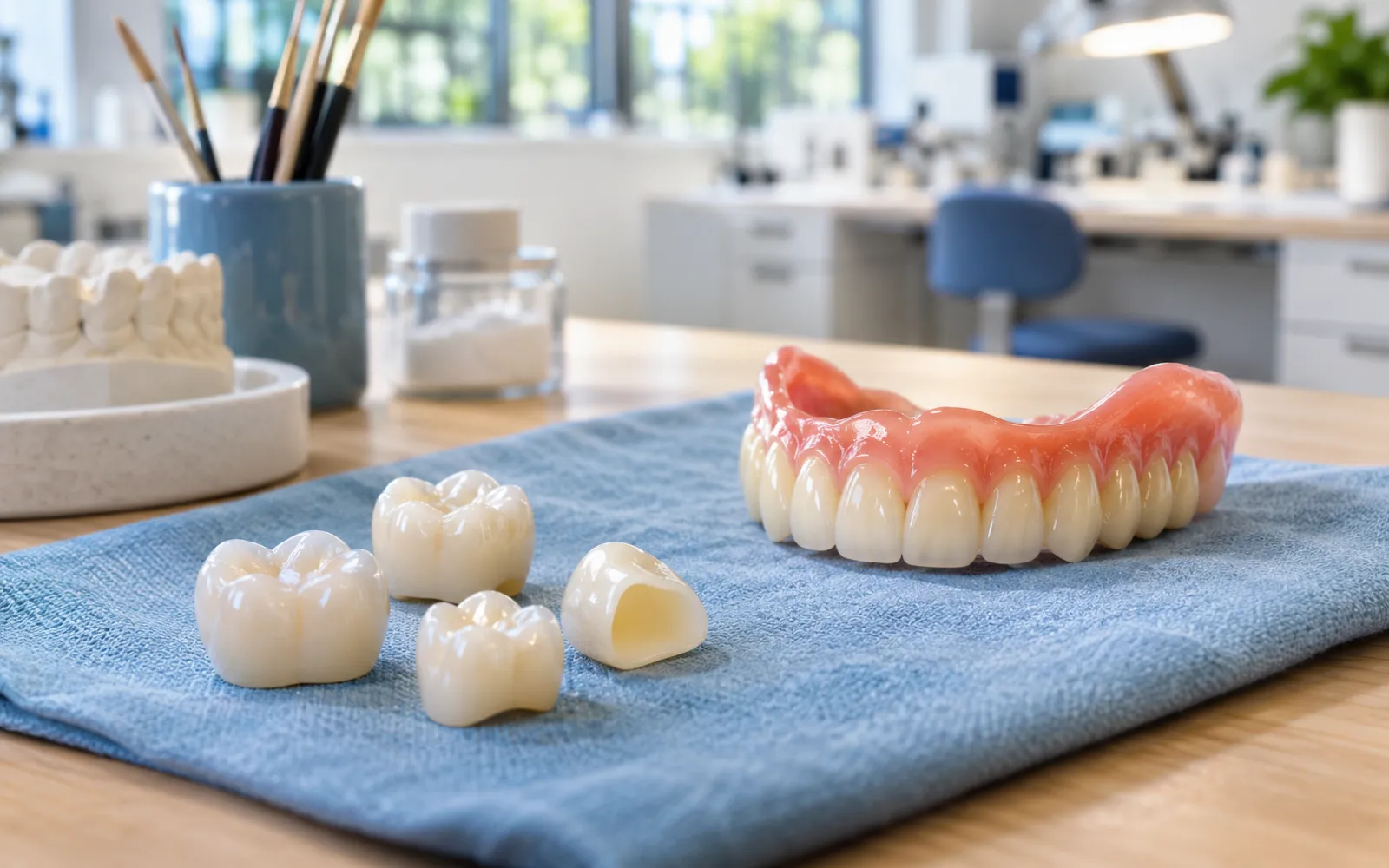
A prosthodontist is a dental specialist who restores and replaces teeth. They plan and make crowns, bridges, dentures, veneers, and dental implants. They also treat complex cases where several teeth are missing or the bite is uneven. The goal is to help you chew, speak, and smile with teeth that fit well and feel natural. Prosthodontists often work with your general dentist and a dental lab to create a custom plan.
Common restorations a prosthodontist may recommend
Here are common restorations a prosthodontist may recommend:
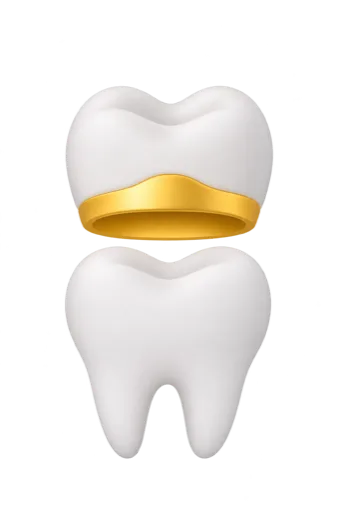
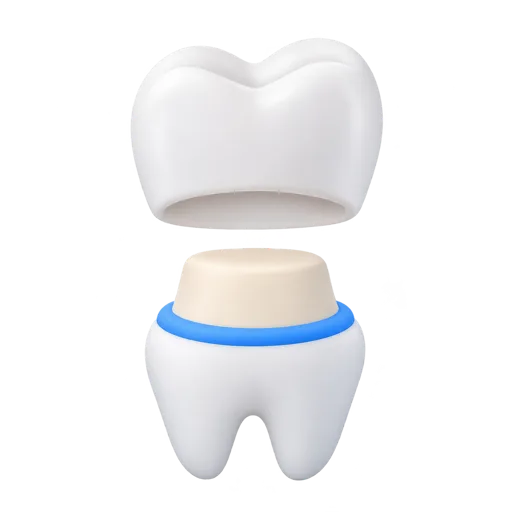
- Crown: a cap that covers a damaged tooth to protect it.
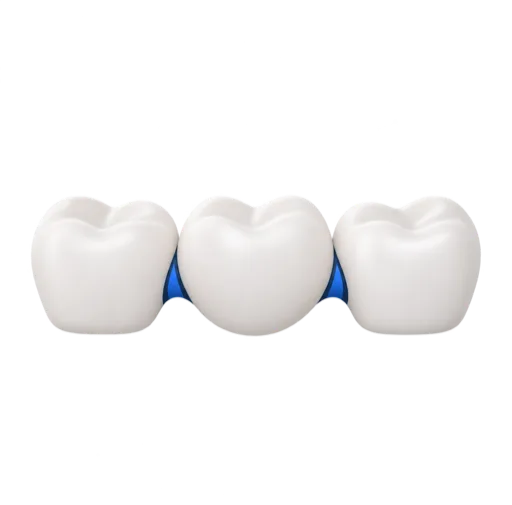
- Bridge: a false tooth held in place by crowns on the teeth next to it.
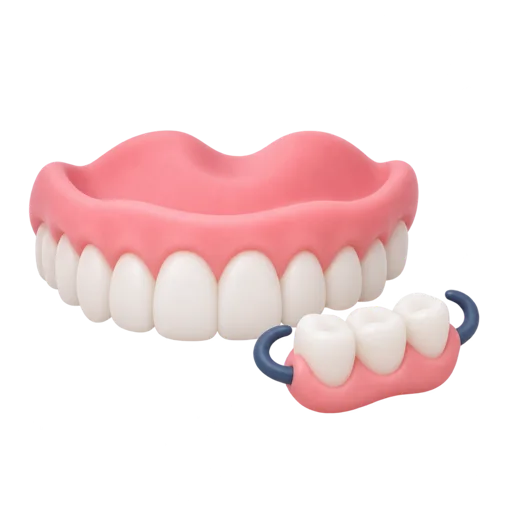
- Denture: a removable replacement for missing teeth and gums.
- Dental implant: a metal post placed in the jawbone, with a crown or bridge on top.
- Veneer: a thin shell bonded to the front of a tooth to change its shape or color.
These options differ in cost, time, and how they feel. Your prosthodontist will explain which one fits your mouth and budget.
When might you need one?
You may want to see a prosthodontist if you:
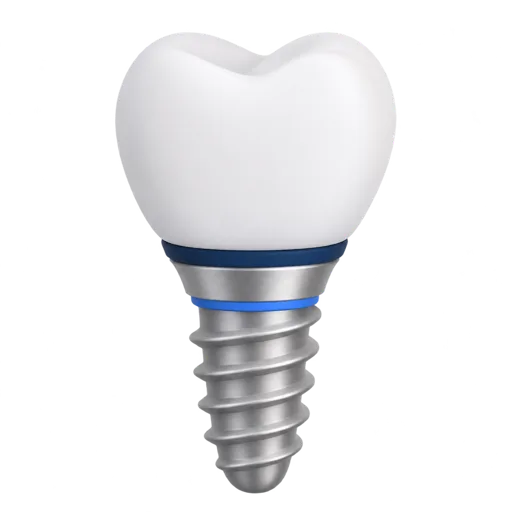
lost one or more teeth and are thinking about implants or a bridge
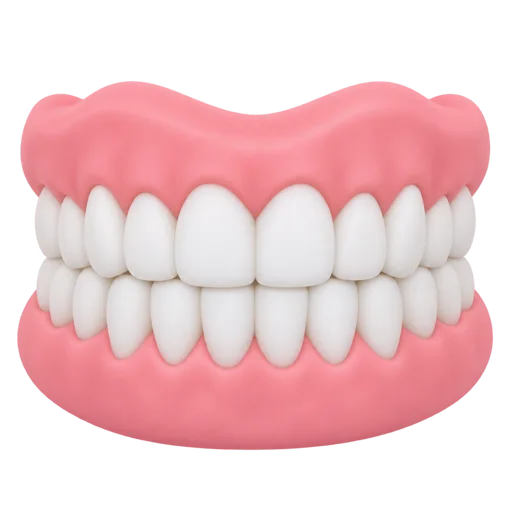
have dentures that slip, click, or cause sore spots
need full mouth reconstruction after an injury or cancer treatment

have worn, cracked, or heavily restored teeth
have a bite problem that affects chewing or speech
A prosthodontist can create a treatment plan that fits your mouth, your goals, and your budget. They can also help if a previous dental restoration has failed.
Training and credentials
After dental school, a prosthodontist completes an accredited residency program. This is extra hands-on training in crowns, bridges, dentures, implants, and jaw problems. Residency is recognized by the Commission on Dental Accreditation. Some prosthodontists also become board certified by the American Board of Prosthodontics. Board certification means they passed extra written and oral exams. On Dentist Navigator, each credential shows its source and the date it was checked. Look for 'License verified' when a state dental board record matches. If a fact is not confident, we hide it.
What to expect at your first visit
Your first visit is usually a conversation and an exam. The prosthodontist will ask about your goals, your health history, and any problems you have. They will look at your teeth, gums, jaw, and bite. They may take photos, X-rays, or digital scans. You will talk through options and a step-by-step plan. Ask about time, number of visits, and what each option costs before you agree to treatment. You may not get any treatment on the first day. The goal is a clear plan you understand.
Questions to ask your prosthodontist
Bring these questions to your first visit:

What are my options for replacing this tooth or these teeth?
Which option do you recommend for my bite and lifestyle?
How long will treatment take from start to finish?
What will it cost, and what does my insurance cover?
What are the risks and benefits of each option?
Who will do the lab work and follow-up care?
What should I do if something feels off after treatment?
Write down the answers or ask for a printed plan. You can also ask for a pre-treatment estimate to send to your insurer.
How insurance usually treats prosthodontic care
Coverage varies by plan. Many plans pay part of the cost for crowns, bridges, or dentures. Some plans treat implants or cosmetic work differently. You may need a pre-authorization before treatment. A pre-authorization is a letter from your plan saying it will pay for a service. Ask the practice to send a pre-treatment estimate to your insurer. That estimate shows what your plan may pay and what you owe. Dentist Navigator lets you filter by insurance plan, but always confirm coverage with your plan and the practice.
 Delta Dental
 Blue Cross Blue Shield
 UnitedHealthcare
 Aetna
 Cigna
 MetLife
 United Concordia
 Guardian
 Medicaid
 Ameritas
 Humana
 Principal
 GEHA
 Careington
 Sun Life
 DentaQuest
 Liberty Dental
 Lincoln Financial
 Medicare Advantage
 TRICARE
 CHIP
 Renaissance
 MCNA
 Spirit
Logos identify plans. No affiliation or endorsement is implied.
How to find a prosthodontist near you
On Dentist Navigator, type your city or ZIP code. Then use the filters for specialty and insurance. You can also search by need, such as 'implants' or 'dentures'. Results are sorted by distance by default. Payment never changes the order of organic results or any score. Any paid placement in the future will be clearly labeled 'Sponsored'. Every fact shows its source and the date it was checked. If a practice has claimed its listing, you will see 'Confirmed by the practice' with a date. This helps you check that the information is current.



Questions
What is the difference between a prosthodontist and a general dentist?
A general dentist handles routine care like cleanings and fillings. A prosthodontist has extra training in complex restorations. They focus on replacing missing teeth and fixing bite problems. Both can place crowns, but a prosthodontist often handles cases where many teeth are involved.
Do I need a referral to see a prosthodontist?
Many practices accept self-referrals, but some insurance plans may require a referral. Check with the office and your plan before you go. Dentist Navigator does not book appointments. You contact the practice directly.
Are dental implants done by a prosthodontist?
Yes. Prosthodontists often plan and place dental implants, sometimes with a surgeon. The surgical part may be done by an oral surgeon or periodontist. The prosthodontist designs and fits the crown, bridge, or denture that attaches to the implant.
Does Dentist Navigator show reviews for prosthodontists?
No. Dentist Navigator does not show third-party ratings. Ratings will come only from reviews collected on Dentist Navigator under published review guidelines. We do not copy reviews from other sites.
How do I know if a listing is up to date?
Every fact shows its source and the date it was checked. Practices can claim their free listing to correct or add facts. Claimed facts show 'Confirmed by the practice' with a date. If we are not confident about a fact, we hide it.
Can I book an appointment on Dentist Navigator?
No. Dentist Navigator is a directory. You contact practices directly. We do not book appointments and are not a referral service that is paid per patient.
Related

 General dentistsFind general dentists near you. Learn what they treat, what to ask, and how insurance often works. Search free by location, insurance, and need.

 Pediatric dentistsFind pediatric dentists near you. Compare by insurance, location and specialty. See license verified facts and sources. Free to search, no account needed.
 OrthodontistsFind orthodontists near you. See what they treat, what to expect at a first visit, insurance basics, and questions to ask. Search by location, insurance, and more.

 Endodontists: Root Canal SpecialistsFind endodontists near you. Learn what root canal specialists do, when to see one, questions to ask, and how to search by insurance and location.
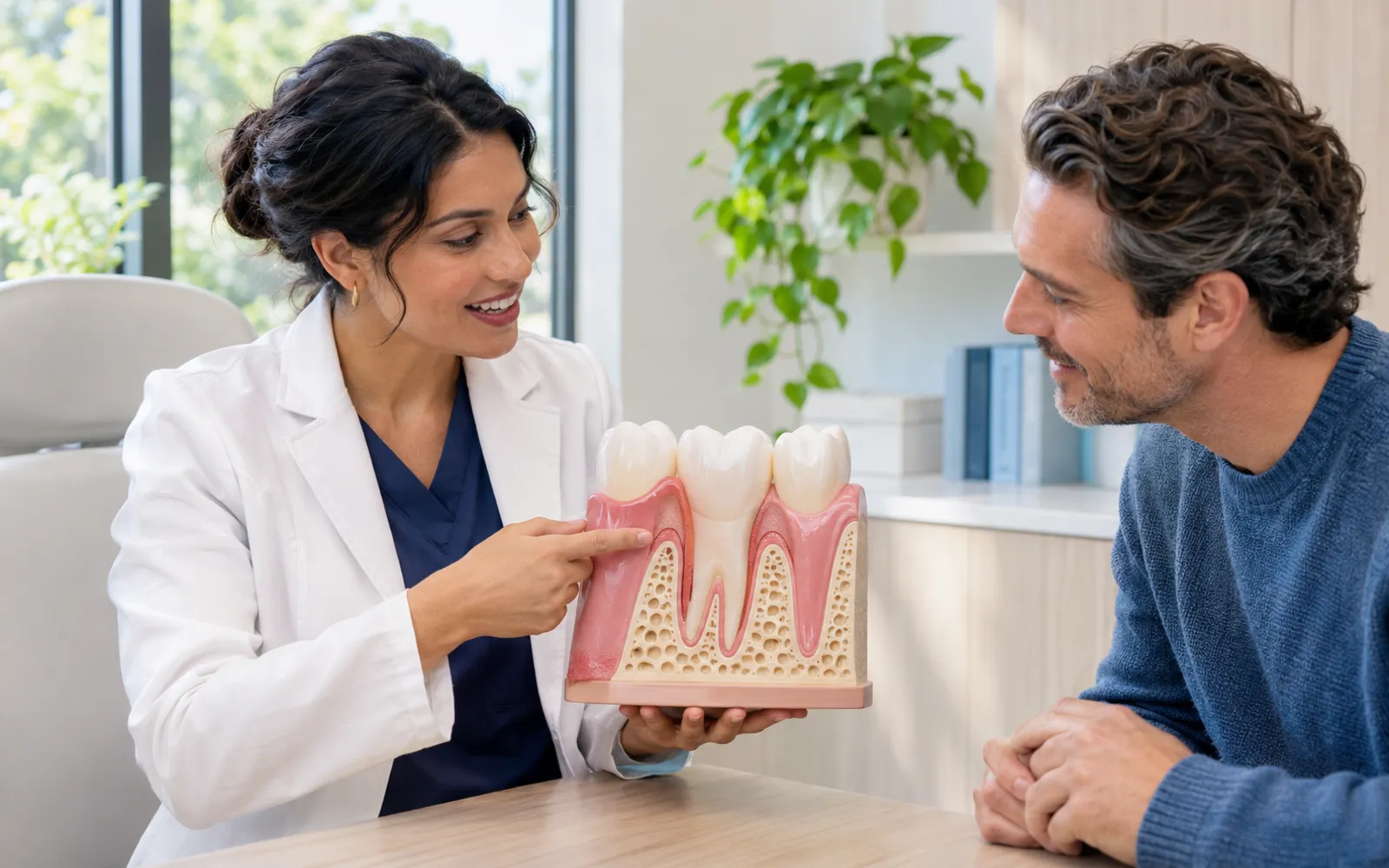
 Periodontists (gum specialists)Find local periodontists for gum disease, implants, and gum surgery. Learn what to expect, what to ask, and how to search by specialty, insurance, and location.

 Oral surgeonsLearn what oral surgeons do, when you may need one, what to expect at a first visit, and how to find a licensed oral surgeon near you with Dentist Navigator.