
Dental crowns explained: what to expect
A dental crown is a cap that covers a damaged or weakened tooth to restore its shape, strength, and appearance. Getting a crown usually takes two visits: one to prepare the tooth and place a temporary crown, and one to fit the permanent crown.
- 2,224 prosthodontic offices listed
- in 49 states
8 min readPublished November 21, 2026Updated November 21, 2026
AI-assisted. AI disclosureEditorial policy













What is a dental crown?
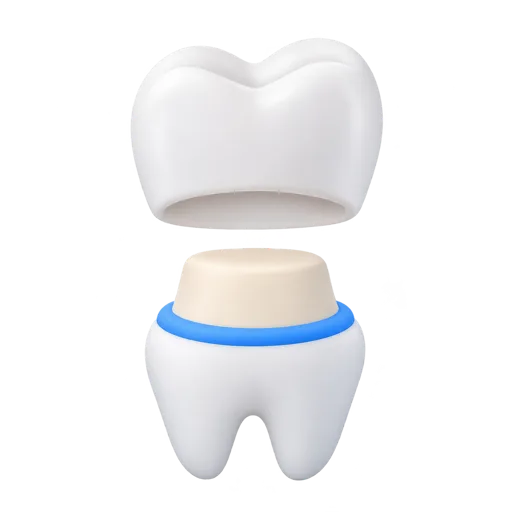
A dental crown is a tooth-shaped cap that fits over a damaged or weakened tooth. It covers the part of the tooth you can see above the gum line. Crowns help restore a tooth’s size, shape, strength, and appearance. A crown can also protect a tooth from further damage.
Crowns are made from different materials, including porcelain, ceramic, metal, or a combination. Your dentist will talk with you about which material may work for your tooth and your budget.
Why might you need a crown?
A crown may be recommended when a filling alone is not enough to support the tooth. Common reasons include:
- A tooth with a large filling and little natural tooth left.
- A tooth that is cracked, chipped, or broken.
- A tooth that has had a root canal, which can make it more brittle.
- A tooth with severe wear from grinding or acid erosion.
- A dental implant that needs a tooth-shaped restoration on top.
- A dental bridge that needs support from neighboring teeth.
Only your dentist can tell you if a crown is right for your situation. They will look at the tooth, take X-rays, and explain the options.
Types of crown materials
Several materials can be used for crowns. Each has different strengths, costs, and looks.
- Porcelain or ceramic: These can match the color of your natural teeth. They are often used for front teeth or visible areas.
- Porcelain fused to metal: These have a metal base with a tooth-colored outer layer. They can be strong and natural-looking, but the metal edge may show near the gum line over time.
- Metal: Gold or other metal alloys are durable and resist wear. They are often used for back teeth where they are less visible.
- Resin or composite: These can be less costly, but they may wear down faster than other materials.
Ask your dentist which material they recommend for your tooth, your bite, and your goals.
What to expect: first visit
For most crowns, you will need two visits. At the first visit, the dentist examines the tooth and takes X-rays if needed. They will numb the area around the tooth so you stay comfortable.
The dentist then shapes the tooth by removing a small amount of the outer surface. This makes room for the crown to fit over the tooth without feeling bulky. The amount removed depends on the crown material and the condition of the tooth.
After shaping the tooth, the dentist takes an impression or digital scan of the prepared tooth and the teeth around it. This helps the dental lab make a crown that fits your bite. If the crown will be tooth-colored, the dentist also records the shade of your nearby teeth.
Before you leave, the dentist places a temporary crown over the prepared tooth. The temporary crown protects the tooth and keeps the space stable until the permanent crown is ready.
The temporary crown
A temporary crown is not as strong as a permanent crown. It is held in place with temporary cement so the dentist can remove it easily at the next visit.
While you have a temporary crown:
- Avoid sticky or chewy foods, such as gum or caramel, which can pull the temporary crown off.
- Avoid very hard foods, such as nuts or hard candy, on that side of your mouth.
- Chew mostly on the other side of your mouth when possible.
- Brush gently around the temporary crown and floss carefully. Pull the floss out from the side instead of snapping it up.
If the temporary crown comes off or feels loose, call your dentist. They can tell you what to do and may need to recement it.
What to expect: second visit
At the second visit, the dentist removes the temporary crown and checks the fit and color of the permanent crown. They will place the crown on the tooth and ask you to bite down gently. The dentist may adjust the shape or height so your bite feels even.
Once the fit is right, the dentist cements the permanent crown onto the prepared tooth. After the crown is placed, the dentist checks your bite again and asks how it feels. It is normal to need a short time to get used to the new shape, but it should not feel high or painful when you bite.
Same-day crowns
Some dental offices offer same-day crowns using computer-aided design and manufacturing. Instead of taking a traditional impression and sending it to a lab, the dentist scans the tooth and designs the crown in the office. A milling machine makes the crown from a block of ceramic while you wait. The dentist then places the crown in the same visit.
Same-day crowns can save time and avoid a temporary crown. However, they are not offered everywhere, and they may not be the right choice for every tooth or situation. Ask your dentist if same-day crowns are available and whether one would work for you.
After your crown is placed
A permanent crown can feel like a natural part of your mouth once you adjust to it. To care for your crown:
- Brush twice a day with a fluoride toothpaste and floss once a day.
- Pay attention to the gum line around the crown. Plaque can build up there and cause gum irritation or decay at the edge of the crown.
- Avoid using your teeth as tools, such as opening packages or biting nails.
- If you grind or clench your teeth, ask your dentist whether a night guard could help protect the crown and your other teeth.
Tell your dentist if you notice any of these signs:
- The crown feels loose or moves when you chew.
- The crown chips or cracks.
- Your bite feels high or uneven.
- You have sensitivity that does not go away.
- The gums around the crown are swollen, red, or bleeding.
Call 911 or go to an emergency room if you have severe swelling, trouble breathing or swallowing, uncontrolled bleeding, or facial trauma. For other concerns about your crown, call your dentist.
How long do crowns last?
Crowns can last for many years with good care and regular dental checkups. How long a crown lasts depends on the material, your oral habits, how well you clean your teeth, and how much force you put on the tooth. A crown does not protect the tooth from decay at the gum line, so brushing and flossing are still important.
At each dental visit, your dentist will check the crown and the tooth underneath. They can spot early problems before they become larger.
Does dental insurance cover crowns?
Many dental insurance plans cover a portion of a crown when it is considered medically necessary, not just for appearance. However, coverage varies widely. Your plan may have a waiting period, a deductible, an annual maximum, or a required copay. You may also need preauthorization before treatment.
Before you schedule a crown, ask your dental office to send a pre-treatment estimate to your insurance company. This can help you understand what your plan may pay and what you may owe. You can also call the number on your insurance card and ask about your crown benefits.
Dentist Navigator can help you find a dentist who takes your insurance and offers crown treatment. You can search by insurance, location, and specialty.
 Delta Dental
 Blue Cross Blue Shield
 UnitedHealthcare
 Aetna
 Cigna
 MetLife
 United Concordia
 Guardian
 Medicaid
 Ameritas
 Humana
 Principal
 GEHA
 Careington
 Sun Life
 DentaQuest
 Liberty Dental
 Lincoln Financial
 Medicare Advantage
 TRICARE
 CHIP
 Renaissance
 MCNA
 Spirit
Logos identify plans. No affiliation or endorsement is implied.
What affects the cost of a crown
The total cost of a crown can vary based on several factors. These include:
- The material used. Porcelain and ceramic crowns often cost more than metal crowns.
- Whether a dental lab is involved or the crown is made same-day in the office.
- The location of the dental practice and the cost of living in your area.
- The condition of the tooth. A tooth that needs additional work, such as a filling or a post, may add to the total.
- Your dental insurance plan. Plans have different deductibles, annual maximums, and covered percentages.
Because costs can be different from one practice to another, ask for a written estimate before treatment. Many dental offices will send a preauthorization to your insurance company to give you a clearer picture of what you may owe.
Questions to ask your dentist
Talking openly with your dentist can help you feel more confident. Consider asking:

Why do I need a crown instead of a filling or another treatment?
What crown material do you recommend for this tooth, and why?
Will I need two visits, or do you offer same-day crowns?
What are the risks or possible complications for my situation?
How should I care for the temporary crown, if I have one?
What signs should prompt me to call your office after the crown is placed?
How will my insurance be handled, and can I get a cost estimate before we begin?
Your dentist can answer these questions based on your own dental history and needs.
Finding a dentist for a crown
If you think you may need a crown, start with a dental exam. The dentist can check the tooth, take X-rays if needed, and discuss whether a crown or another option is right for you.
When choosing a dentist, look for someone who explains the steps clearly, helps you understand your insurance, and makes you feel comfortable asking questions. You may want to read reviews, ask family or friends for recommendations, or call the office to ask about crown experience.
Dentist Navigator lets you search for dentists by insurance, specialty, and location, so you can find a practice that fits your needs.
This guide is for general education only, not medical advice. Talk with your dentist about your own dental needs.
Sources
Does getting a crown hurt?
The dentist numbs the area, so you should feel pressure but not sharp pain. After the numbness wears off, some soreness around the gum or tooth is common and usually goes away. Ask your dentist about what to expect and how to manage any discomfort.
How long does a crown take?
Traditional crowns usually require two visits. The first visit often takes about an hour or more, and the second visit is usually shorter, around 30 to 60 minutes. Same-day crowns may be completed in a single longer visit.
Can I eat normally with a crown?
Once the permanent crown is cemented, you can eat most foods, but avoid very hard or sticky items that could damage it. With a temporary crown, avoid sticky, chewy, or hard foods and chew on the other side when possible.
Will my crown be noticeable?
With tooth-colored materials, the dentist can match the shade to your nearby teeth, so the crown blends in. Metal crowns are more noticeable, but they are often used for back teeth where they are less visible.
What if my crown feels too high or my bite is off?
Call your dentist. A simple adjustment can often fix the bite. Do not wait, because an uneven bite can cause discomfort or lead to damage to the crown or other teeth.
Related

 Planning for a dental crown: costs and stepsA dental crown is a cap that covers a damaged tooth to restore its shape, strength, and appearance. The total cost depends on the material, the tooth's location, your dentist's fees, and how your dental insurance applies to the procedure.

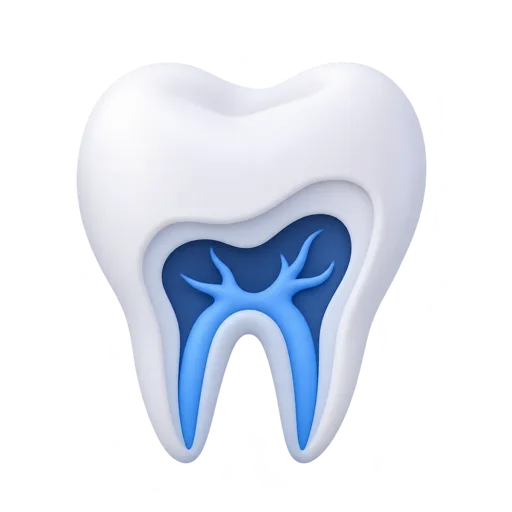 Root Canals Explained: What to ExpectA root canal is a common dental procedure. It treats infection or damage inside a tooth. It removes the inflamed or infected pulp, cleans the inside of the tooth, and seals it. This helps you keep your natural tooth.

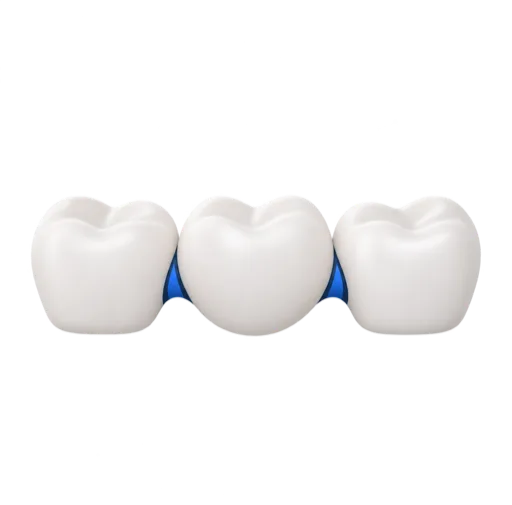 Dental bridges explainedA dental bridge fills a gap from one or more missing teeth by anchoring a false tooth to nearby teeth or implants. It can help you chew and speak more comfortably and keep nearby teeth from shifting.
Find a dentist
Find a dentist for a crown