
Root Canals Explained: What to Expect
A root canal is a common dental procedure. It treats infection or damage inside a tooth. It removes the inflamed or infected pulp, cleans the inside of the tooth, and seals it. This helps you keep your natural tooth.
- 4,810 endodontic offices listed
- in 51 states
7 min readPublished November 21, 2026Updated November 21, 2026
AI-assisted. AI disclosureEditorial policy

Find Endodontics near you












What is a root canal?
A root canal treats the inside of a tooth. Each tooth has a soft inner layer called pulp. Pulp contains nerves, blood vessels, and connective tissue. When pulp gets inflamed or infected, it can cause pain and swelling.
A root canal removes the damaged pulp. Then the dentist cleans and shapes the inside of the tooth and seals it. This helps prevent more infection.
The term root canal also refers to the small channels inside the tooth roots. Those channels hold the pulp. The procedure gets its name from those channels.
Inside your tooth: what the pulp does
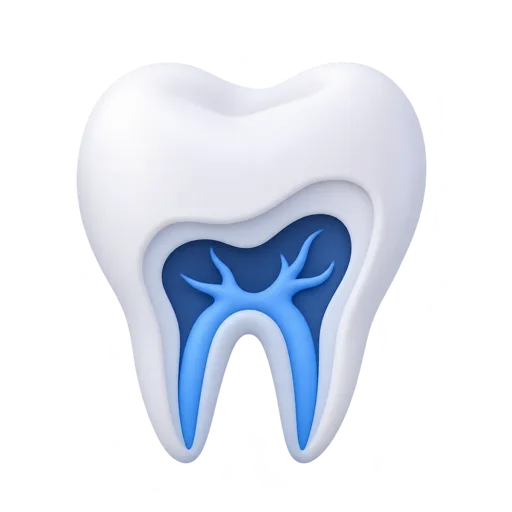
A tooth has three layers. The outer layer is enamel, which is hard and protects the tooth. Under enamel is dentin, a softer layer. At the center are the pulp chamber and root canals.
The pulp keeps the tooth moist and helps it sense temperature and pressure. Once the tooth is fully grown, the pulp is not needed to keep the tooth in place. The gum and bone around the tooth do that job. That is why removing the pulp during a root canal can save the tooth.
Why a tooth may need a root canal
Pulp can become damaged for several reasons. Common causes include:
- Deep decay that reaches the pulp
- A cracked or chipped tooth
- Repeated dental work on the same tooth
- Injury to the tooth, even without a visible crack
When the pulp is damaged, bacteria can multiply inside the tooth. This can lead to an infection or an abscess. An abscess is a pocket of pus at the root tip. A root canal removes the source of the infection and allows the surrounding bone and tissue to heal.
Signs you might need a root canal
Only a dentist can tell you for sure if you need a root canal. Some common signs include:

Tooth pain that does not go away, especially when chewing or applying pressure
Sensitivity to hot or cold that lingers after the source is removed
Swelling or tenderness in the gums near a tooth
A small pimple-like bump on the gums
Darkening of a tooth

Deep decay visible on an X-ray
Some teeth need a root canal even when there are no symptoms. That is one reason regular dental checkups matter.
If you have severe swelling that spreads to your face or neck, trouble breathing or swallowing, uncontrolled bleeding, or facial trauma, call 911 or go to an emergency room right away.
What happens during a root canal: step by step
A root canal is usually performed by a dentist or an endodontist. An endodontist is a dentist with advanced training in treating the inside of the tooth.
The steps can vary, but the process often looks like this:
- Exam and X-ray. Your dentist will examine the tooth and take X-rays to see the shape of the root canals and check for signs of infection in the surrounding bone.
- Numbing. You will receive local anesthesia to numb the tooth and the area around it. Many people feel only a small pinch from the injection.
- Dental dam. A small rubber sheet is placed around the tooth to keep it clean and dry during the procedure.
- Opening the tooth. The dentist makes a small opening in the top of the tooth to reach the pulp chamber and root canals.
- Cleaning and shaping. The damaged pulp is removed with small instruments. The inside of the tooth is cleaned, shaped, and rinsed to remove bacteria and debris.
- Filling the canals. The cleaned canals are filled with a rubber-like material and sealed to help prevent future infection.
- Temporary or permanent filling. The opening in the tooth is closed. You may need a follow-up visit for a crown or other restoration.
The number of visits depends on your tooth and your situation. Some root canals are completed in one visit. Others may take two or more visits.
Does a root canal hurt?
A root canal is often feared, but many people find it is not as uncomfortable as they expected. The goal of the procedure is to relieve pain caused by the infection.
Your dentist will numb the area with local anesthesia. You may feel pressure or vibration during the procedure. Sharp pain is not common. If you feel discomfort, tell your dentist. They can adjust the numbing.
After the procedure, mild soreness or sensitivity is common. This usually improves within a few days. Your dentist may recommend over-the-counter pain relievers. Always follow your dentist’s instructions and ask what is safe for you.
Recovery and aftercare
Most people can return to normal activities the same day or the next day. The tooth may feel tender for a few days, especially if you had pain or swelling before treatment.
To care for your tooth after a root canal:
- Take medications as directed by your dentist.
- Avoid chewing on the treated tooth until it is fully restored with a crown or filling.
- Brush and floss normally, but be gentle around the treated area.
- Keep follow-up appointments for any needed restoration.
- Call your dentist if you have severe pain, swelling that worsens, or an allergic reaction to medication.
A root canal removes the nerve from the tooth, so you may not feel hot or cold in that tooth the same way you did before. However, the tooth still needs the surrounding gum and bone to stay healthy.
How to prepare for your appointment
Being prepared can help your visit go smoothly. You may want to:
- Make a list of your symptoms and when they started.
- Bring a list of medications, supplements, and allergies.
- Write down any questions you have.
- Arrive a few minutes early to complete paperwork.
- Let the office know if you feel nervous about dental work.
If you have a medical condition, such as a heart condition or diabetes, tell your dentist before treatment. This helps them plan safe care for you.
What if you delay treatment?
Delaying treatment for an infected tooth can allow the infection to spread. The pain may come and go, but the problem usually does not go away on its own.
If the infection spreads, you may need more complex treatment. The tooth may also become too damaged to save. In some cases, delaying care can lead to a serious infection that requires emergency attention.
If you have tooth pain or swelling, schedule an exam promptly. Early treatment is often simpler and more comfortable.
Root canal vs. extraction
The main alternative to a root canal is having the tooth removed. This is called an extraction. After an extraction, you may need to think about replacing the missing tooth with an implant, bridge, or partial denture. Keeping your natural tooth is often preferred when possible, but every situation is different.
A root canal can allow you to keep your natural tooth. This helps maintain your bite and jawbone. An extraction may cost less upfront, but replacing the tooth later can add steps and expense. Your dentist can help you weigh the options based on your tooth, your health, and your goals.
Questions to ask before treatment
Before scheduling a root canal, you may want to ask:

Will you perform the root canal in your office, or will you refer me to an endodontist?
Will I need a crown after the root canal?
How many visits do you expect?
What can I do to manage discomfort after treatment?
How should I contact the office if I have a concern after hours?
Can you provide a written estimate before treatment?
These questions can help you understand the plan and feel more prepared.
How to find a dentist for a root canal
If you think you may need a root canal, start with a dental exam. You can search for a dentist or endodontist who takes your insurance and is accepting new patients. Dentist Navigator lets you search by insurance, specialty, and location.
Cost varies based on which tooth is treated, whether you need a crown, your insurance, and where you live. Your dental office can give you an estimate and explain what your plan may cover.
Keep in mind that this guide is general education, not medical advice. Talk with your dentist about your own symptoms, health history, and treatment options.
Sources
Does a root canal hurt?
Many people say the procedure feels similar to getting a filling. Your dentist will numb the area first, so sharp pain is not common during treatment. Mild soreness for a few days afterward is common.
How long does a root canal take?
A simple root canal may take about 60 to 90 minutes. More complex teeth or an infection may require more than one visit. Your dentist can give you a time estimate for your situation.
Can I eat after a root canal?
Wait until the numbness wears off before eating to avoid biting your cheek or tongue. Stick to soft foods for a few days and avoid chewing on the treated tooth until your dentist says it is safe.
Will I need a crown after a root canal?
In many cases, a crown is recommended to protect a tooth after a root canal, especially for back teeth. A filling may be enough for some front teeth. Your dentist will explain what is right for your tooth.
What if I am nervous about dental work?
Tell your dentist about your anxiety before the appointment. They can explain the steps, adjust the pace, and discuss options such as sedation if appropriate. Being open about your concerns can help you feel more in control.
Related

 Planning for a root canalRoot canal cost depends on the tooth, how complex the procedure is, and your dental insurance. Planning ahead helps you get a clear estimate, understand your coverage, and explore payment options.

 Tooth pain: common causes and when to see a dentistTooth pain is often a sign that something in your mouth needs attention. Mild discomfort may improve with home care. But pain that lasts, worsens, or comes with swelling or fever should be checked by a dentist promptly.

 Cracked or chipped tooth: next stepsRinse your mouth with warm water, cover any sharp edge, and call a dentist. A small chip may only need smoothing or bonding, while a deeper crack can affect the tooth's nerve and may require a crown (a cap that covers the tooth) or root canal.
Find a dentist
Find an endodontist