
Dental bridges explained
A dental bridge fills a gap from one or more missing teeth by anchoring a false tooth to nearby teeth or implants. It can help you chew and speak more comfortably and keep nearby teeth from shifting.
- 2,224 prosthodontic offices listed
- in 49 states
8 min readPublished November 21, 2026Updated November 21, 2026
AI-assisted. AI disclosureEditorial policy

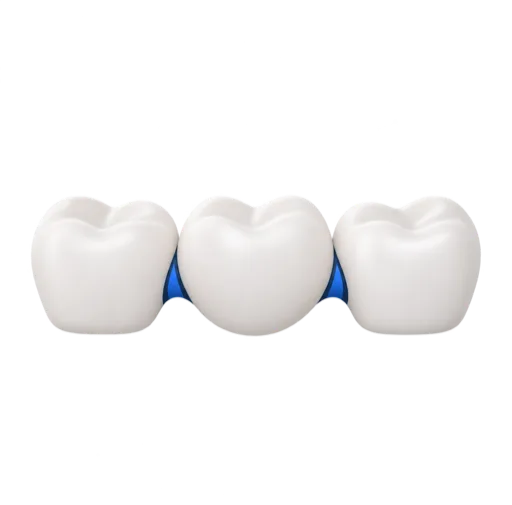












What is a dental bridge?
A dental bridge is a fixed dental restoration that fills a gap left by one or more missing teeth. It has one or more false teeth, called pontics, in the middle. The pontic is held in place by crowns on the healthy teeth next to the gap, or by dental implants. Because the bridge is cemented or screwed into place, you do not remove it like a partial denture.
A bridge can help you chew food more easily, speak clearly, and keep your natural face shape. It also stops the teeth next to the gap from drifting into the empty space. That shifting can cause bite problems and make cleaning harder over time.
How a bridge works
A traditional bridge uses the teeth on both sides of the gap as anchors. Those anchor teeth are shaped to hold crowns. The crowns are connected to the false tooth in the middle, and the whole piece is placed over the anchor teeth and cemented. An implant-supported bridge works the same way, but the anchors are dental implants instead of natural teeth.
Bridges are made from materials like porcelain, ceramic, zirconia, or a combination of metal and porcelain. The material choice depends on where the bridge goes in your mouth, your bite, and your personal preferences.
Types of dental bridges
There are a few common bridge designs. Your dentist will talk with you about which one may fit your mouth and budget.
- Traditional bridge: This is the most common type. It uses a crown on each side of the gap to hold one or more false teeth. It works well when you have strong, healthy teeth on both sides of the gap.
- Cantilever bridge: This type uses only one anchor tooth on one side of the gap. It may be used when there is only one healthy tooth next to the gap. Because it is supported on only one side, it is less common for back teeth that do a lot of chewing.
- Maryland bridge: This type uses a metal or porcelain framework bonded to the back of the teeth on either side of the gap. It does not need crowns. It is often used for front teeth where the bite forces are lighter.
- Implant-supported bridge: This type is held by dental implants instead of natural teeth. It is often used when several teeth in a row are missing or when the side teeth are not strong enough to support a bridge. Getting implants takes more time and involves surgery.
Who may be a candidate
Many people who have one or more missing teeth and healthy teeth or implants next to the gap may be able to get a bridge. Your dentist will check the health of your gums, the strength of the anchor teeth, and your bite. If you have gum disease or decay, those issues are often treated before a bridge is placed.
A bridge is not right for everyone. If you are missing many teeth, a partial denture or implant-supported denture may be a better fit. If you have only one missing tooth and want to avoid shaping nearby teeth, a single dental implant may be another option. Your dentist can explain the pros and cons for your own mouth.
What to expect during the process
Getting a bridge usually takes at least two visits. The steps depend on the type of bridge.
First visit: exam and preparation
Your dentist examines the area and may take X-rays. If you are getting a traditional or cantilever bridge, the anchor teeth are numbed and shaped. A small amount of enamel is removed from those teeth to make room for the crowns. If you are getting an implant-supported bridge, the implant posts are placed first, and you will need time to heal before the bridge is attached.
After the teeth are shaped, your dentist takes an impression or digital scan of your mouth. The bridge is made in a dental lab to match the shape, size, and color of your teeth. You may get a temporary bridge to protect the prepared teeth and keep the space open while the permanent bridge is made.
Second visit: fitting and placement
When your permanent bridge is ready, your dentist removes the temporary bridge and checks the fit, bite, and color of the new bridge. Small adjustments may be made. Once everything feels right, the bridge is cemented or screwed into place. If cement is used, your dentist cleans off any extra cement and checks your bite again.
Follow-up
You may need a short follow-up visit if the bite feels uneven or if the bridge feels too tight. Many people adjust to a new bridge within a few days to a couple of weeks.
Recovery and adjusting
After the anesthetic wears off, your gums and the prepared teeth may feel tender for a few days. Over-the-counter pain relievers can help, but ask your dentist what is right for you. Eat soft foods at first and avoid very hot, cold, or sticky foods until the area feels normal.
It may take a little time to get used to the feel of the bridge. If it feels high when you bite, call your dentist. A small bite adjustment can make a big difference.
Caring for a dental bridge
A bridge needs the same daily care as your natural teeth. Food and plaque can build up around the edges and under the false tooth. That can lead to decay on the anchor teeth or gum problems.
To care for your bridge:
- Brush twice a day with fluoride toothpaste.
- Floss at least once a day. Use a floss threader, super floss, or a water flosser to clean under the false tooth and around the crowns.
- Use an interdental brush if your dentist recommends one.
- See your dentist for regular checkups and cleanings. Your dentist can check the bridge and the teeth that support it.
- Avoid biting down on hard objects like ice, hard candy, or pens. These can chip or loosen the bridge.
With good care, a bridge can last for many years. However, bridges may need to be replaced or repaired over time, especially if the anchor teeth get decay or the bridge becomes loose.
Possible risks and limitations
Like any dental treatment, a bridge has some risks. These do not happen to everyone, but it helps to know about them.
- Tooth sensitivity: The prepared teeth may be sensitive to hot or cold for a while.
- Decay under the bridge: If plaque is not cleaned away, the anchor teeth can get cavities. That can cause the bridge to fail.
- Gum irritation: The bridge may rub against the gums at first, but this usually settles.
- Loose bridge: Over time, the cement can wash out or the anchor tooth may crack. A loose bridge needs to be checked quickly.
- Bone loss: A bridge does not replace the tooth root, so the jawbone under the missing tooth may still shrink over time. Dental implants are the only option that helps preserve bone.
Your dentist can recommend ways to reduce these risks, such as good cleaning habits and regular checkups.
Cost and insurance considerations
The cost of a dental bridge depends on several things. These include the number of teeth being replaced, the type of bridge, the materials used, your location, and the dentist’s fees. An implant-supported bridge often costs more because it involves surgery and implant parts.
Dental insurance plans often cover a portion of bridge treatment, but coverage varies widely. Some plans have waiting periods, annual maximums, or limits on how often they will replace a bridge. You may need a pre-treatment estimate from your dentist’s office to see what your plan will pay. Ask your insurance company or use Dentist Navigator to check if a dentist is in your network before you schedule care.
Your dentist’s office can give you a written treatment plan with cost estimates. If you do not have insurance, ask about payment plans, dental membership plans, or other options that may help spread out the cost.
 Delta Dental
 Blue Cross Blue Shield
 UnitedHealthcare
 Aetna
 Cigna
 MetLife
 United Concordia
 Guardian
 Medicaid
 Ameritas
 Humana
 Principal
 GEHA
 Careington
 Sun Life
 DentaQuest
 Liberty Dental
 Lincoln Financial
 Medicare Advantage
 TRICARE
 CHIP
 Renaissance
 MCNA
 Spirit
Logos identify plans. No affiliation or endorsement is implied.
Questions to ask your dentist
Before you decide on a bridge, consider asking your dentist these questions:

What type of bridge do you recommend for my situation?
What are the pros and cons of a bridge compared with an implant or partial denture?
How long will the process take from start to finish?
How should I clean under the bridge?
What signs of a problem should I watch for?
What will my out-of-pocket cost be after insurance?
Finding a dentist
If you are missing one or more teeth and want to learn about bridges, a dentist or prosthodontist can help. A prosthodontist is a dentist with extra training in replacing teeth. You can use Dentist Navigator to search for a dentist by insurance, specialty, and location. That can help you find a provider who fits your needs and your plan.
Remember, this guide is general education, not medical advice. Every mouth is different, so ask your dentist about your own situation before making a decision.
Sources
How long does a dental bridge last?
With good daily cleaning and regular dental visits, a bridge can last many years. Over time, it may need to be replaced or repaired if the anchor teeth develop decay or the bridge loosens.
Does getting a bridge hurt?
Your dentist will numb the area before shaping your teeth, so you should not feel sharp pain during the procedure. After the numbness wears off, some soreness or sensitivity is common for a few days.
Can I eat normally with a dental bridge?
Once you adjust to the bridge, you can eat most foods. Try to avoid very hard or sticky foods that could chip or loosen the bridge, especially at first.
How do I clean under a dental bridge?
Use a floss threader, super floss, or a water flosser to clean under the false tooth and around the crowns. Your dentist or hygienist can show you the right way to clean for your bridge.
Will my insurance cover a dental bridge?
Many dental insurance plans cover part of the cost of a bridge, but coverage varies. Ask your insurance company for a pre-treatment estimate, and check with your dentist's office about your out-of-pocket cost.
Related

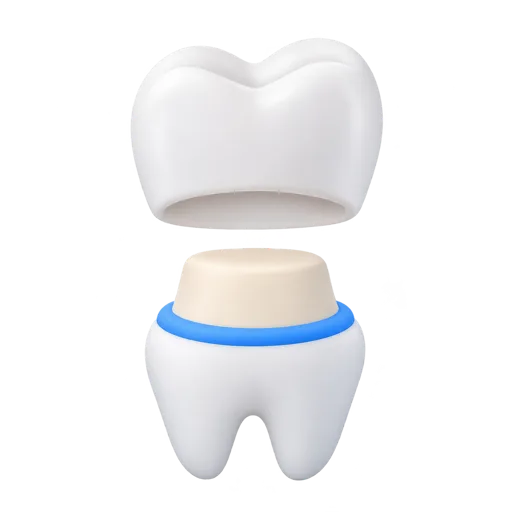 Dental crowns explained: what to expectA dental crown is a cap that covers a damaged or weakened tooth to restore its shape, strength, and appearance. Getting a crown usually takes two visits: one to prepare the tooth and place a temporary crown, and one to fit the permanent crown.

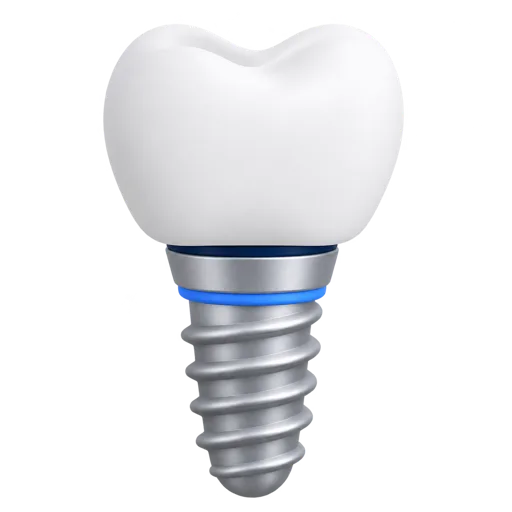 Dental implants explainedA dental implant is a titanium post placed in the jawbone to replace a missing tooth root, with a crown attached on top. This guide explains the process, what to expect, risks, and how to talk with your dentist about your options.

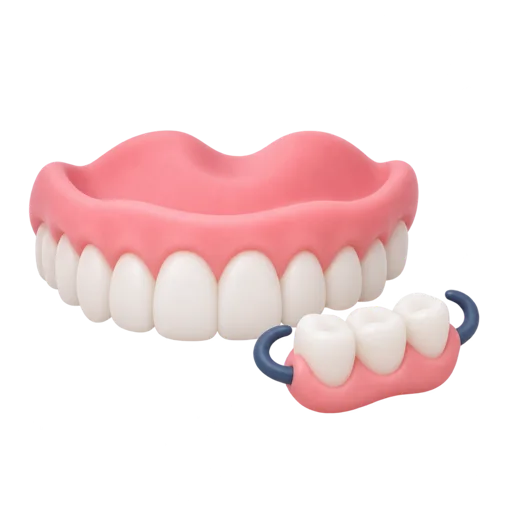 Dentures and partials explainedDentures and partials replace missing teeth and can be removed. They can help you chew, speak, and smile more comfortably. They take time to get used to and need daily care.