
How braces work
Braces use steady, gentle pressure to guide teeth into new positions over time. Treatment often lasts 18 to 36 months, and your dentist or orthodontist will adjust the braces at regular visits.
- 14,664 orthodontic offices listed
- in 51 states
7 min readPublished November 21, 2026Updated November 21, 2026
AI-assisted. AI disclosureEditorial policy













What braces are
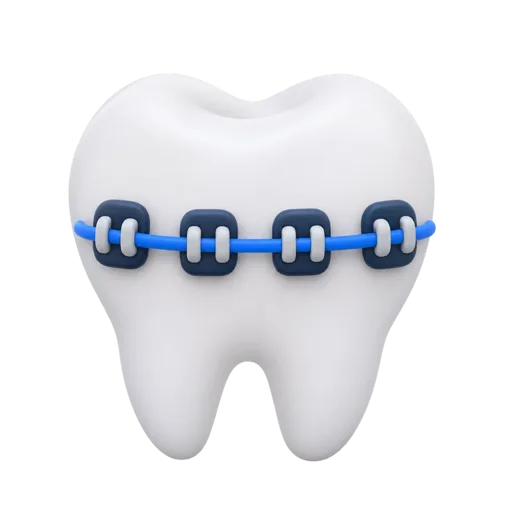
Braces are orthodontic appliances that help move teeth into better alignment. They usually consist of small brackets bonded to the front or back of each tooth, a wire that runs through the brackets, and sometimes rubber bands or springs. Dentists and orthodontists use braces to correct crowding, gaps, overbites, underbites, crossbites, and other alignment issues. Braces do not promise a specific result, and your own outcome depends on factors such as your age, bone health, oral hygiene, and how closely you follow instructions. Ask your dentist or orthodontist what is realistic for your situation.
How braces move teeth
Your teeth are not set directly into the jawbone. Each tooth is held in place by the periodontal ligament, a thin layer of tissue that connects the tooth root to the bone. Braces apply small, controlled forces to the teeth. This pressure causes bone cells on one side of the tooth root to break down and new bone to form on the other side. That process is called bone remodeling. It happens slowly, which is why orthodontic treatment takes months or years, not days. Moving teeth too quickly can damage roots and the surrounding bone. Regular adjustments keep the force in a safe range and guide teeth in the planned direction.
During treatment, different parts of the braces do different jobs:
– Brackets hold the wire in place.
– The archwire provides gentle pressure.
– Elastic ties or clips secure the wire to the brackets.
– Rubber bands or springs may be added to correct bite relationships between upper and lower teeth.
Your orthodontist will adjust these parts over time to keep the pressure consistent as teeth move.
Types of braces
There are several common types of braces. Your dentist or orthodontist will explain which options may work for your case. The choice depends on your alignment needs, lifestyle, and personal preference.
Metal braces
Metal braces use stainless steel brackets and wires. They are durable and often the most common type. Modern metal braces are smaller and lower profile than older versions, but they are still visible. Many children and teens choose metal braces because they are reliable and easy to adjust.
Ceramic braces
Ceramic braces have brackets made from tooth-colored or clear material. They are less noticeable than metal braces. However, the brackets can be more brittle, and the clear elastic ties may stain if you drink coffee, tea, or dark sodas. Good brushing helps keep them looking clean.
Lingual braces
Lingual braces attach to the back of the teeth, so they are hidden from view. They can be more difficult to clean, and they may affect tongue comfort and speech at first. Adjustment appointments may take a little longer because the orthodontist works from the back side of the teeth.
Self-ligating braces
Self-ligating braces use a special clip or door on the bracket to hold the wire instead of elastic ties. This design may reduce friction and can make adjustments quicker. They are not right for every case, so ask your orthodontist if they are an option for you.
Clear aligners are a different approach that uses removable plastic trays instead of brackets and wires. They are discussed in a separate guide. Some people can choose between braces and clear aligners, while others need one specific approach.
What happens during treatment
First visit and records
Your dentist or orthodontist will examine your mouth, take X-rays, photos, and sometimes digital scans or impressions of your teeth. They will ask about your goals and concerns. They may recommend braces, clear aligners, or another approach. Before starting braces, you may need a professional cleaning or treatment for cavities and gum disease. Healthy teeth and gums are important before orthodontic treatment.
Getting braces placed
Placing braces usually takes one to two hours. The orthodontist or dentist cleans and dries each tooth, applies a bonding material, and places the brackets. Then they thread the archwire through the brackets and secure it with ties or clips. You will get instructions on how to care for braces and which foods to avoid. You may feel pressure or tightness, but it should not be severe. If you feel sharp pain, tell your provider.
Adjustment visits
About every 4 to 8 weeks, you return for an adjustment. The orthodontist may change the wire, add or replace elastic ties, or adjust springs, bands, or rubber bands. These visits keep the pressure moving teeth in the planned direction. If you miss appointments, treatment may take longer and the risk of problems can increase.
Living with braces
Eating with braces
Hard, sticky, chewy, and crunchy foods can damage brackets, wires, and bands. Common foods to limit or avoid include popcorn, nuts, hard candy, gum, caramel, taffy, ice, and hard pretzels. Cut crunchy fruits and vegetables like apples and carrots into small pieces. Chewy breads and tough meats may be easier to eat if cut small or cooked until tender. Ask your orthodontist for a full list based on your specific braces, because some types have different restrictions.
Cleaning your teeth and braces
Food and plaque collect around brackets and wires, raising your risk for tooth decay, white spots, and gum problems. Brush after meals and snacks, using a soft-bristle brush and fluoride toothpaste. Angle the brush to clean above and below each bracket, and gently brush along the gumline. Floss daily with a floss threader, interdental brush, or water flosser. Your dental team can show you techniques that work for your hardware. Regular dental cleanings are still important during braces. If plaque stays on teeth around brackets, it can leave permanent marks when braces come off.
Discomfort and soreness
After braces are placed or adjusted, your teeth and gums may feel sore for a few days. This is a normal sign that the teeth are responding to pressure. Over-the-counter pain relievers may help, but check with your dentist or doctor first, especially if you have medical conditions or take other medicines. You can rinse with warm salt water a few times a day. Orthodontic wax can cover brackets or wires that irritate your cheeks or lips. If a wire pokes or a bracket comes loose, call your orthodontist. Do not try to remove or repair braces yourself. For severe swelling, trouble breathing or swallowing, uncontrolled bleeding, or facial trauma, call 911 or go to an emergency room right away. These are not typical with braces, but they need urgent care.
Sports and activities
If you play sports or do activities where you could be hit in the mouth, ask your orthodontist about a mouthguard. A custom mouthguard can protect your braces and your teeth, lips, and cheeks. Remove removable appliances before activities if instructed.
After braces: retention
When braces come off, teeth can shift back toward their old positions. A retainer helps hold them in place while the bone and gums adapt to the new alignment. You may need to wear a retainer full time at first, then only at night or on a schedule your orthodontist gives you. Keep retainers clean and bring them to follow-up visits. Not wearing a retainer as directed may allow teeth to move, and you could need further treatment.
Finding a dentist or orthodontist
Braces are usually placed and managed by a dentist who offers orthodontic treatment or by an orthodontist, a specialist with extra training after dental school. Start by asking your current dentist if they provide braces or if they recommend a referral. Look for a provider who listens to your concerns, explains what treatment would involve, and checks your insurance coverage before you start. You can also search online for an orthodontist near you. Dentist Navigator lets you search dentists by insurance, specialty, and location, which can help you find an orthodontist who takes your plan. Before starting treatment, ask for a written treatment plan and a cost estimate, and ask what is included such as visits, retainers, and emergency care. Never feel rushed; a good provider will answer your questions clearly.
This guide is general education only. Talk with your dentist or orthodontist about what is right for your own mouth and health.
Sources
Do braces hurt?
You may feel soreness or pressure after braces are placed or adjusted. This usually eases after a few days. Over-the-counter pain relief or warm salt water rinses may help, but ask your dentist before taking any medication.
How long will I need to wear braces?
Treatment time varies widely, often 18 to 36 months, depending on tooth movement and bite complexity. Your orthodontist will give an estimate based on your specific case. Missing appointments or not following instructions can extend the time.
Can I eat normally with braces?
You will need to avoid hard, sticky, chewy, and crunchy foods that can break brackets or wires. Cut many foods into small pieces and follow your orthodontist's food list. Soft foods are easier at first.
What should I do if a bracket comes loose or a wire pokes?
Call your orthodontist's office as soon as you notice a problem. Orthodontic wax can cover sharp spots temporarily, but do not try to cut or remove wires yourself. Leaving a broken bracket can slow treatment.
Do I still need regular dental cleanings during braces?
Yes. Braces create more places for plaque to collect, so professional cleanings and checkups are important. Your general dentist can help prevent cavities and gum problems while your orthodontist manages tooth movement.
Related

 Planning for bracesThe cost of braces depends on your case, the type of braces, where you live, and your insurance. This guide explains what affects the cost, how to check your benefits, and what to ask before you start.

 Braces or clear aligners: what to knowBraces use brackets and wires that stay on your teeth. Clear aligners are plastic trays you can take out. The right choice depends on your bite, lifestyle, and treatment needs. Talk with a dentist or orthodontist about what fits your situation.

 Retainers after braces or alignersA retainer holds teeth in their new position after braces or clear aligners. Most people wear one full time at first, then at night, and many need it long term to prevent shifting.
Find a dentist
Find an orthodontist