
Braces or clear aligners: what to know
Braces use brackets and wires that stay on your teeth. Clear aligners are plastic trays you can take out. The right choice depends on your bite, lifestyle, and treatment needs. Talk with a dentist or orthodontist about what fits your situation.
- 14,664 orthodontic offices listed
- in 51 states
7 min readPublished November 21, 2026Updated November 21, 2026
AI-assisted. AI disclosureEditorial policy













Braces and clear aligners: the basics
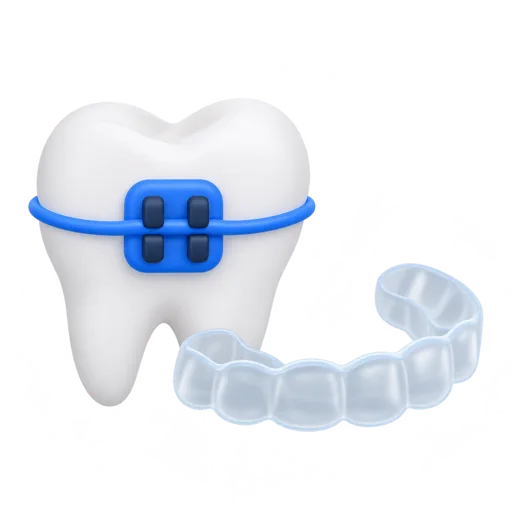
Braces and clear aligners are two common ways to straighten teeth and fix your bite. Both apply gentle, steady pressure to move teeth over time. Braces use brackets and wires that stay on your teeth.
Clear aligners are plastic trays you can take out. Neither one works overnight. Both need a dentist or orthodontist to guide your care and check your progress.
This guide gives general information only. It is not medical advice. Talk with your dentist or orthodontist about your own teeth and treatment needs.
How braces work
Braces have a few main parts. Brackets are glued to the front or back of each tooth. An archwire runs through the brackets and guides the teeth.
Small elastic ties or metal clips hold the wire in place. Some braces also use springs, rubber bands, or other parts to move your jaw or fix your bite.
At adjustment visits, the provider tightens, bends, or replaces the wire. These small changes create pressure that slowly shifts teeth into new spots.
Braces stay on your teeth for the whole treatment. You cannot remove them at home. So they work all the time, but you need to clean them well and avoid some foods.
How clear aligners work
Clear aligners are a set of custom plastic trays made from a digital scan or mold of your teeth. Each tray is a little different from the last. You wear each tray for a set time, then switch to the next one.
The trays press on certain teeth to guide them into place. Because aligners are removable, you take them out to eat, drink anything but water, brush, and floss.
For treatment to work, you need to wear them as directed. Many providers recommend 20 to 22 hours of wear each day. Missing wear time can slow progress or change your results.
Some aligner plans use small tooth-colored attachments bonded to your teeth. These attachments help the trays grip and move teeth more precisely. Your provider will tell you if you need them and how they are placed.
Key differences at a glance
Appearance: Clear aligners are less noticeable than metal braces. Ceramic or tooth-colored braces are less visible than metal, but they still have brackets and wires.
Removal: Braces are fixed to your teeth. Clear aligners come out, which can make eating and cleaning easier. But you need self-discipline.
Eating and drinking: With braces, avoid hard, sticky, and chewy foods that can break brackets or wires. With aligners, take the trays out before you eat or drink anything but water. Then clean your teeth before putting them back.
Cleaning: Braces need cleaning around brackets and under wires. Aligners need you to clean the trays and your teeth separately. Both need good daily oral care.
Checkups: Braces often need in-person adjustments every few weeks. Aligners may need fewer adjustment visits. Your provider will set the schedule for your case.
Comfort: Both can cause soreness or pressure, especially after a new wire or a new aligner tray. This usually improves within a few days. If pain is severe or does not improve, call your provider.
Daily life with braces
With braces, choose softer foods and avoid items that can damage brackets or wires. Common foods to avoid include:
– Hard candy, nuts, popcorn, and ice
– Chewy foods such as bagels, licorice, and caramel
– Crunchy raw vegetables unless cut into small pieces
– Corn on the cob and whole apples
Cleaning your teeth with braces takes extra time. Food can collect around brackets and under wires. Use a soft-bristled toothbrush after meals.
Floss with a floss threader, interdental brush, or water flosser as your dental team recommends. Rinse with water if you cannot brush right away.
If a bracket feels loose or a wire pokes your cheek, call your provider. Do not try to cut the wire yourself. Dental wax can cover a sharp edge until you can be seen.
For sports, ask your provider about a mouthguard. A well-fitted mouthguard can protect your braces and your mouth during contact sports.
Daily life with clear aligners
Clear aligners fit into daily life, but they need attention. Take the trays out every time you eat or drink anything but water. Then brush your teeth before putting the trays back in.
If you cannot brush right away, rinse your mouth with water and clean your teeth as soon as you can.
You also need to clean the aligner trays. Use a soft brush and clear, unscented soap or the cleaning system your provider recommends.
Do not use hot water because it can warp the plastic. Store the trays in their case when they are out of your mouth so you do not lose them.
Wear time matters. If you often forget to put the trays back in, treatment may take longer. Some people set phone reminders or keep the case visible.
If you lose a tray, call your provider right away. Do not skip ahead to the next tray without guidance because your teeth may not be ready.
Which option may fit you
No single option is right for everyone. Braces and clear aligners can both treat many common alignment and bite issues. But clear aligners may not fix very severe rotations, large gaps, or certain bite problems.
Braces give the provider more control for complex tooth movement. Your dentist or orthodontist will examine your teeth, take records, and explain what is realistic for you.
Consider these factors when you talk with a provider:
– Your bite and tooth alignment
– Your age and jaw growth
– Your daily schedule and ability to wear removable trays
– Your oral hygiene habits
– Your budget and insurance coverage
– Any previous dental work, such as crowns or bridges
Both braces and clear aligners require healthy gums and teeth before treatment starts. Cavities or gum problems should be treated first. Ask what you need to do before you begin.
What affects cost
Cost varies from person to person. Things that can affect the total include:
– How complex your case is
– How long treatment takes
– The type of braces or aligner system
– The provider’s experience and location
– Whether you see a general dentist or an orthodontist
– Your dental insurance coverage and network status
Some dental plans include orthodontic benefits with a lifetime maximum or age limits. Other plans may not cover adult orthodontics. Ask for a written treatment plan and a pre-treatment estimate.
You can also ask about payment plans or financing options the office offers. This is general information, not a quote.
What to ask your dentist or orthodontist
Write down questions before your visit. Examples include:
– Am I a good candidate for braces, clear aligners, or both?
– What tooth movements need to happen in my case?
– How long do you think my treatment will take?
– How often will I need checkups or adjustments?
– What should I do if I miss wear time or break a bracket?
– How should I clean my teeth and appliances?
– Will I need a retainer after treatment?
– What are the risks and possible side effects for me?
Ask your provider to explain the risks, benefits, and limits of any treatment. No treatment can promise a specific result, so a good provider will set realistic expectations based on your records.
Finding a dentist or orthodontist
The first step is an exam and a conversation. A general dentist can check your teeth and may offer clear aligner treatment. An orthodontist is a specialist with extra training in tooth movement and bite correction.
For complex cases, an orthodontist may be a good choice. But you can start with either provider.
When you compare providers, ask about their experience with both braces and aligners, how they check progress, and what follow-up care includes.
You can use Dentist Navigator to search for dentists and orthodontists by insurance, specialty, and location. When you find a provider, confirm they are in network with your plan and ask for a pre-treatment estimate.
After treatment, most people need a retainer to help keep teeth in their new positions. Ask about retainer options, wear schedule, and replacement costs before you start.
Sources
Do braces or clear aligners hurt?
Both can cause soreness or pressure, especially after an adjustment or a new aligner tray. This is usually temporary and improves in a few days. Talk with your provider about ways to manage discomfort.
Are clear aligners faster than braces?
Treatment time depends on your case, so one option is not always faster. Complex tooth movements may take longer with aligners or may not work with aligners at all. Your provider can give you an estimate based on your records.
Can clear aligners fix any bite problem?
No. Clear aligners can treat many common alignment issues, but severe rotations, large gaps, or certain bite problems may need braces or other appliances. An orthodontist can check your bite and explain which options are realistic.
Do I need to see a dentist or an orthodontist?
A general dentist can check your teeth and may offer clear aligner treatment. An orthodontist has extra training in tooth movement and bite correction. This can help with complex cases. You can start with either provider.
Will insurance cover braces or clear aligners?
Many dental plans include orthodontic benefits, but coverage varies widely. Some plans have lifetime maximums, age limits, or network requirements. Ask your insurance plan about your benefits and request a pre-treatment estimate from the provider.
Related

 Planning for bracesThe cost of braces depends on your case, the type of braces, where you live, and your insurance. This guide explains what affects the cost, how to check your benefits, and what to ask before you start.

 Planning for clear alignersClear aligners can straighten teeth without metal brackets. Costs vary a lot. Knowing what affects the price, how insurance works, and what to ask can help you plan.

 Orthodontics for teensOrthodontics can straighten teeth and fix bite problems during the teen years. This guide explains common options, what treatment is like, and how to talk with a dentist about cost and insurance.
Find a dentist
Find an orthodontist