
Planning for clear aligners
Clear aligners can straighten teeth without metal brackets. Costs vary a lot. Knowing what affects the price, how insurance works, and what to ask can help you plan.
- 165 offices listed
- in 35 states
6 min readPublished November 21, 2026Updated November 21, 2026
AI-assisted. AI disclosureEditorial policy

Find Clear aligners near you

What clear aligners are
Clear aligners are custom-made plastic trays that fit over your teeth. You wear a series of trays. You usually change to a new set every one to two weeks, as your dentist or orthodontist directs.
Each tray is slightly different. It gently moves your teeth a little at a time. Some systems use small tooth-colored attachments, also called buttons, on the teeth. These help the aligners grip and move teeth as planned.
Most people take aligners out to eat, drink anything but water, brush, and floss. You wear them at least 20 to 22 hours a day. A dental professional takes impressions or a digital scan of your mouth. The aligners are made to fit those records.
The provider checks your progress at regular visits and adjusts the plan if needed.
Clear aligners may be an option for adults and teens. They offer a less visible choice than metal braces. They are not the same as at-home kits ordered without a dental exam.
Professional supervision matters. Moving teeth affects your bite, roots, and jaw. Without a proper diagnosis, some problems can be missed or get worse.
This guide is general education, not medical advice. Ask a dentist or orthodontist about your own situation.
Who may be a candidate
Clear aligners can treat many mild to moderate alignment problems. Examples include crowding, spacing, and some bite issues. They often work well for people who had braces before and now have minor shifting.
Teens and adults with healthy gums and enough bone support may qualify. But each mouth is different.
Not every case is right for clear aligners. Severe crowding, large overbites or underbites, very rotated teeth, or jaw problems may need traditional braces or other care. Some cases need small tooth-colored attachments on the teeth to help aligners grip. Others may need rubber bands to fix the bite.
Clear aligners can sometimes be used along with other dental work. But that must be planned carefully.
Only a dental professional can tell if you are a candidate. An exam usually includes photos, x-rays, and a digital scan or impressions. If a provider says clear aligners are not right for you, ask why. Ask what other options fit your goals and budget. A second opinion can help you feel sure.
What affects the cost
The total cost of clear aligner treatment depends on several things.
- Your case complexity. More movement or a longer treatment time often means more aligners and more office visits.
- Your provider. Orthodontists and dentists may price treatment differently. An orthodontist has extra training in tooth movement.
- Where you live. Costs vary by region and local market.
- What is included. Some plans include records, all aligners, attachments, refinements, and retainers. Others charge separately for these services.
- Insurance coverage. Plans that cover orthodontics may lower your out-of-pocket cost. Coverage varies.
Some offices bundle everything into one fee. Others charge separately at each step. That makes it hard to compare total costs without a detailed estimate.
A typical range for clear aligner treatment is . This range is a general reference, not an offer or quote. Your actual cost depends on your mouth, your provider, and your plan. Always ask for a written estimate before starting.
Dental insurance and clear aligners
Dental insurance may help pay for clear aligners if your plan includes orthodontic benefits. Many dental plans do not cover orthodontics for adults. Some do.
Orthodontic benefits are often separate from basic dental benefits. Read the fine print.
Check your plan details for:
- Age limits. Some plans cover orthodontics only for children and teens.
- Lifetime maximum. Many plans have a separate limit for orthodontic treatment. It may be lower than your annual dental maximum.
- Waiting periods. You may need to be enrolled for a set time before using orthodontic benefits.
- In-network status. Seeing an in-network provider may change how much the plan pays and what you owe.
Ask your insurance company or dental office for a pre-treatment estimate. Some call this a predetermination. It gives you a written breakdown of what the plan may pay and what you may owe.
Do not start treatment assuming insurance will cover it.
If your employer offers a flexible spending account (FSA) or health savings account (HSA), you may be able to use those funds. Clear aligner treatment may be a qualified expense. Ask the office for an itemized receipt. Check with your benefits administrator.
Medical insurance rarely covers clear aligners unless there is a documented medical need. An example is treatment related to jaw surgery. Check with your medical plan.
Payment options and other ways to plan
If insurance does not cover clear aligners or you have no insurance, you still have options.
- In-office payment plans. Many dental offices split the total fee into monthly payments. Ask if there is an interest or finance charge.
- Third-party financing. Some companies offer healthcare credit lines. Compare terms carefully before signing.
- Dental membership plans. Some practices offer a membership plan. It may give a discount on services, including clear aligners, for an annual fee. Ask what is included.
- Dental schools. Dental and orthodontic programs may offer lower-cost care. Students provide care under supervision. Treatment may take longer.
Some offices offer a discount if you pay in full at the start. Ask if that changes the refund or retreatment policy. Before you commit, get the full treatment fee in writing. Ask what happens if you lose an aligner, need extra refinement, or stop treatment before finishing. A clear refund or retreatment policy can help you avoid surprise costs.
Questions to ask before starting
Use these questions at a consultation.
- Am I a candidate for clear aligners, and what are my other options?
- How long do you expect my treatment to take?
- What is included in the total fee? Records, aligners, attachments, refinements, retainers, follow-up visits?
- What will my out-of-pocket cost be after insurance? Can you file a pre-treatment estimate?
- Do you offer a payment plan, and what are the terms?
- How often will I need office visits?
- What happens if I lose or break an aligner? Is there an extra charge?
- Will I need retainers after treatment? What do they cost?
- What if my teeth shift after treatment? Is refinement included?
Do not feel rushed. A careful provider will explain your options and answer your questions in plain language.
Finding a dentist who offers clear aligners
Start by looking for a dentist or orthodontist who has experience with clear aligners and accepts your insurance. You can use Dentist Navigator to search by insurance, specialty, and location. This can help you find options quickly.
When you find a few providers, check their background. Ask how many clear aligner cases they have treated. You can also ask to see before-and-after photos of cases similar to yours, if available and allowed under privacy rules.
Confirm the provider is in network before your first visit. Out-of-network care may still be covered, but your costs may be different. Schedule a consultation, not just a sales visit. A thorough exam, x-rays or scan, and an honest talk about your goals matter more than a low advertised price.
Ask for a written treatment plan and cost estimate before you commit.
If something feels unclear, get a second opinion. Choosing a provider you trust and a plan you understand can make things easier.
Sources
How much do clear aligners cost?
The total cost varies based on case complexity, provider, location, and what is included. Ask for a written treatment plan and an itemized estimate before starting. A general price range is in the cost section above.
Does dental insurance cover clear aligners?
Some dental plans include orthodontic benefits, but many do not cover adults. Check for age limits, lifetime maximums, waiting periods, and in-network rules. Ask for a pre-treatment estimate before you commit.
Are clear aligners right for everyone?
No. Clear aligners work for many mild to moderate alignment problems. Severe cases may need braces or other treatment. A dentist or orthodontist can tell you after an exam, x-rays, and scans.
How long does clear aligner treatment take?
Treatment often lasts from several months to a couple of years. It depends on how much your teeth need to move. Wearing aligners as directed and keeping follow-up visits helps the process stay on schedule.
What happens after clear aligner treatment?
Most people need retainers to keep teeth from shifting back. Ask about the cost of retainers and follow-up care before you start. Include that amount in your budget.
Related

 Planning for bracesThe cost of braces depends on your case, the type of braces, where you live, and your insurance. This guide explains what affects the cost, how to check your benefits, and what to ask before you start.

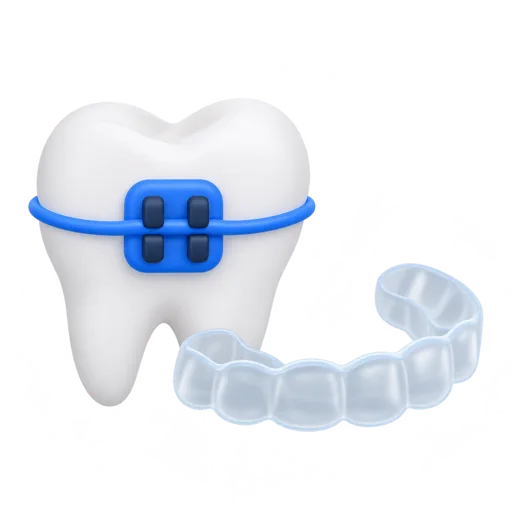 Braces or clear aligners: what to knowBraces use brackets and wires that stay on your teeth. Clear aligners are plastic trays you can take out. The right choice depends on your bite, lifestyle, and treatment needs. Talk with a dentist or orthodontist about what fits your situation.

 How Dental Insurance WorksDental insurance helps lower your cost for many dental services. It is not the same as medical insurance. Learn your plan's rules so you can avoid surprise bills and use your benefits well.
Find a dentist
Find clear aligner dentists