
How Clear Aligners Work
Clear aligners are removable plastic trays that fit over your teeth and apply gentle, controlled pressure to shift them into a new position. You wear each set for about one to two weeks, then switch to the next set as your teeth slowly move.
- 14,664 orthodontic offices listed
- in 51 states
7 min readPublished November 21, 2026Updated November 21, 2026
AI-assisted. AI disclosureEditorial policy













What are clear aligners?
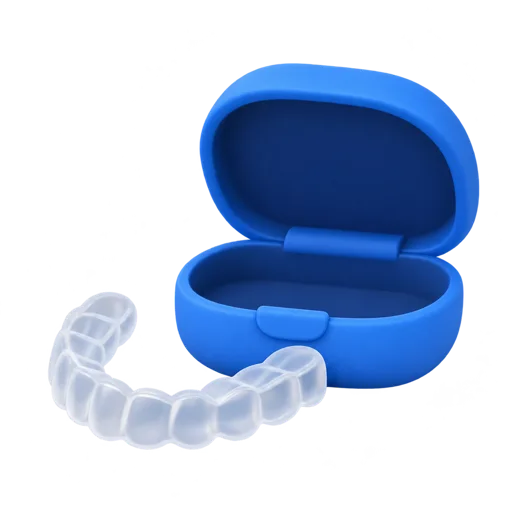
Clear aligners are a type of orthodontic treatment that uses a series of custom made, removable plastic trays to gradually move your teeth. Each tray is slightly different from the one before it, and it fits snugly over your teeth. When you wear the trays as directed, they apply gentle pressure that shifts your teeth into a new position over time.
Unlike traditional braces, clear aligners do not use brackets or wires. Because they are clear and removable, many adults and teens choose them when they want a less noticeable option. However, they are not right for every situation. Your dentist or orthodontist can tell you if clear aligners will work well for your specific bite and tooth alignment.
How do clear aligners move teeth?
Your teeth are held in place by bone and gum tissue, but they are not fixed solidly. When a steady, gentle force is applied to a tooth over time, the bone around the tooth changes. The bone on one side of the tooth breaks down slightly, and new bone forms on the other side. This process lets the tooth move a tiny bit. Clear aligners use this natural process by putting pressure on specific teeth in a planned sequence.
Each set of aligners is designed to make a small adjustment. You usually wear one set for about one to two weeks, then move to the next set. The total number of trays depends on how much your teeth need to move. Your dentist will map out a treatment plan, often using digital scans or impressions of your teeth, to predict the steps.
The typical treatment process
Getting clear aligners usually follows a few steps:
- Consultation and exam: Your dentist checks your teeth, gums, and bite. They may take X-rays, photos, and digital scans or impressions.
- Treatment plan: The dentist or aligner company uses the scans to create a series of aligners. You may see a preview of how your teeth are expected to move.
- Fitting: When your first set of aligners is ready, your dentist checks the fit and explains how to wear and care for them.
- Wearing and switching: You wear each set for the prescribed time, usually one to two weeks, then switch to the next set. You remove aligners only to eat, drink anything except water, brush, and floss.
- Checkups: You visit your dentist every 6 to 8 weeks or as recommended. They check your progress and give you the next several sets of aligners.
The total treatment time can range from a few months to a couple of years, depending on how complex your case is. Some people see noticeable changes within a few months, but every mouth is different.
What affects how well aligners work
Clear aligners work well when you follow your dentist’s instructions closely. The most important factor is wearing time. Most dentists recommend 20 to 22 hours of wear per day. If you leave your aligners out for long periods, your teeth may not move as planned, and your treatment could take longer or not finish as expected.
Other factors that can affect success include:
- How complex your tooth movement is. Aligners can handle many cases, but severe bite problems may need other methods.
- Your age. Teeth can move at any age, but adult bone may respond a bit more slowly than a teenager’s.
- Your oral health. Healthy gums and bone are important for safe tooth movement.
- How consistently you switch trays on schedule. Switching too early or too late can cause problems.
Your dentist will explain what to expect for your situation. They can also tell you if clear aligners are a good choice for you or if another option might work better. If you are not sure where to start, Dentist Navigator lets you search for dentists by insurance, specialty and location so you can find a provider who offers clear aligners.
Caring for your aligners and teeth
Good hygiene is important during aligner treatment. Because aligners cover your teeth, food and plaque can get trapped against the tooth surface, which may raise your risk of cavities or gum problems.
Here are some practical tips:
- Remove aligners before eating or drinking anything other than plain water.
- Rinse your aligners with cool or lukewarm water every time you take them out. Do not use hot water, which can warp the plastic.
- Brush and floss your teeth before putting aligners back in.
- Clean your aligners gently with a soft toothbrush and clear, mild soap or a product your dentist recommends. Avoid toothpaste, which can scratch the aligner surface.
- Store aligners in their case when not in your mouth. Do not wrap them in a napkin, because they can easily be thrown away.
Possible discomfort and how to manage it
When you start a new set of aligners, you may feel some pressure or mild soreness for a few days. This is a sign that the aligners are working, but it should not be severe. The feeling usually fades as your teeth adjust to that tray.
To manage mild soreness:
- Take over the counter pain relief if your dentist says it is safe for you.
- Eat soft foods for a day or two after switching trays.
- Use a cold pack on the outside of your cheek if your gums feel tender.
- Switch to a new tray at night so you sleep through the first hours of pressure.
If you have sharp pain, a tray that cracks or does not fit, or soreness that lasts more than a few days, call your dentist. They can check the fit and make adjustments. Never try to force a tray that does not seat properly.
Attachments and other aids
Some clear aligner treatments use small, tooth colored attachments. These are tiny bumps of composite material bonded to certain teeth. They help the aligners grip the teeth better and apply force in the right direction. Attachments are removed when your treatment is done. Not everyone needs them, but your dentist may recommend them if your case requires more complex tooth movement.
In some cases, your dentist may also use small rubber bands with aligners to correct bite issues. These are similar to elastics used with braces. Your dentist will show you how to place them and tell you when to wear them.
After treatment: retainers and maintenance
When you finish your last aligner tray, your teeth are in their new positions, but they are not yet stable. The bone and tissue around the teeth need time to firm up. Without a retainer, teeth often drift back toward their old positions. That is why most people need to wear a retainer after clear aligner treatment.
Your dentist will tell you how often to wear your retainer. At first, you may need to wear it all day, then gradually switch to nights only. You will likely need to keep wearing a retainer long term, but the exact schedule depends on your teeth and your dentist’s advice.
Retainers can be fixed (bonded behind your teeth) or removable (similar to aligners but designed to hold teeth in place rather than move them). Your dentist will discuss which type is right for you.
Talking with your dentist
Clear aligners are a medical device, and your treatment should be supervised by a licensed dentist or orthodontist. Before you start, ask your dentist these questions:
- Am I a good candidate for clear aligners?
- How long do you estimate my treatment will take?
- What happens if my teeth do not move as planned?
- Will I need attachments or other aids?
- What retainer plan do you recommend after treatment?
Remember that every person’s mouth is different. Your dentist is the right person to ask about your own situation. This guide is general education, not a substitute for a professional exam.
Finding a dentist who offers clear aligners
If you are thinking about clear aligners, start by finding a dentist or orthodontist who is experienced in this type of treatment. You can ask friends or family for recommendations, or check with your dental insurance to see what is covered. Many dental offices offer clear aligner consultations where they can evaluate your teeth and explain your options.
Dentist Navigator can help you search for dentists by insurance, specialty and location. You can look for a provider who offers clear aligners and accepts your insurance, which may make the process smoother. Always call the office to confirm they offer clear aligners and to schedule a consultation.
Sources
Do clear aligners hurt?
You may feel mild pressure or soreness for a few days after switching to a new tray. This is normal and usually goes away. Talk to your dentist if pain is severe or lasts longer than a few days.
How long do I need to wear aligners each day?
Most dentists recommend 20 to 22 hours a day, removing them only to eat, drink anything other than water, brush, and floss. Wearing them less can slow your progress and may affect your results.
Can I eat with my aligners in?
No, remove them before eating or drinking anything other than plain water. Food and colored drinks can damage or stain the aligners, and chewing with them can crack the plastic.
How often do I need to see the dentist during treatment?
You will usually have checkups every 6 to 8 weeks so your dentist can monitor your progress and give you the next sets of aligners. The exact schedule depends on your treatment plan.
Will my teeth stay straight after I finish aligners?
Teeth can shift back over time, so you will likely need to wear a retainer as directed. Your dentist will tell you how often to wear it and for how long.
Related

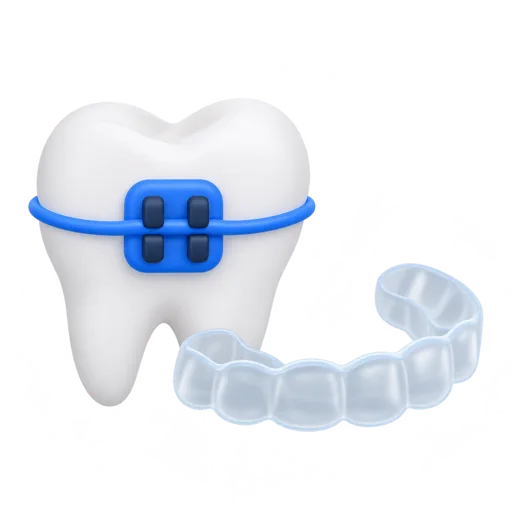 Braces or clear aligners: what to knowBraces use brackets and wires that stay on your teeth. Clear aligners are plastic trays you can take out. The right choice depends on your bite, lifestyle, and treatment needs. Talk with a dentist or orthodontist about what fits your situation.

 Planning for clear alignersClear aligners can straighten teeth without metal brackets. Costs vary a lot. Knowing what affects the price, how insurance works, and what to ask can help you plan.

 Retainers after braces or alignersA retainer holds teeth in their new position after braces or clear aligners. Most people wear one full time at first, then at night, and many need it long term to prevent shifting.
Find a dentist
Find a clear aligner dentist