
Dental implant dentists near you
Last updated November 21, 2026
Dental implants are artificial tooth roots that hold replacement teeth. A dental implant dentist can help you decide if implants are right for you. Use Dentist Navigator to find dentists near you who offer implant care.
- 2,384 offices listed
- in 51 states

Find Dental implant dentists near you near you












What are dental implants?
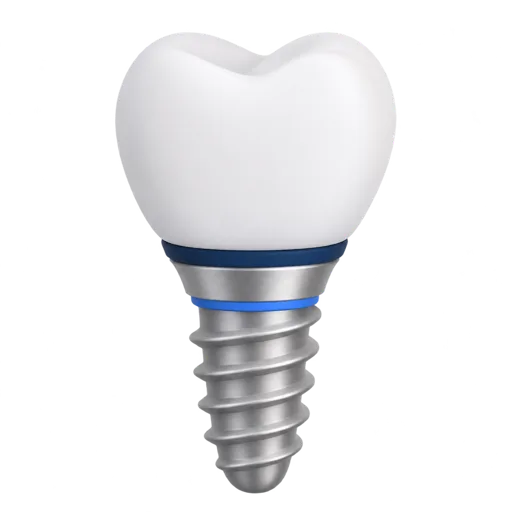
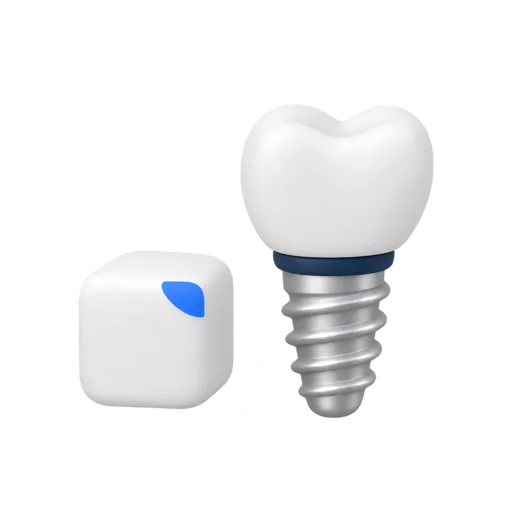
Dental implants are small metal posts placed in your jawbone. They act like the root of a missing tooth. A replacement tooth, called a crown (a cap that covers the damaged or missing tooth), attaches on top.
One implant can replace one tooth. A few implants can support a bridge or denture. Many people choose implants because they stay fixed in place and do not rely on neighboring teeth.
When you might need a dental implant
You may consider a dental implant if you are missing a tooth. You may also need one if a tooth is too damaged to repair with a crown or filling. Loose dentures can sometimes be held in place with implants.
A dentist can tell you if you have enough bone and healthy gums for an implant. No treatment is right for everyone. Ask about options like bridges or dentures too.
What to expect at your first visit
The first visit is usually a consultation and exam. The dentist looks at your mouth, checks your gums, and takes x-rays or a 3D scan. They ask about your overall health and any medicines you take.
You will talk about your goals, your medical history, and your budget. The dentist may create a step-by-step plan with a timeline. You often do not get the implant on the first visit.
After the exam, you may get a written treatment plan. It should include the steps, the estimated cost, and the expected healing time. Ask for it in plain language.
Training and credentials to look for
Dentists earn a dental degree (DDS or DMD) after dental school. Some dentists go on to complete an accredited residency after dental school in a specialty such as oral surgery, periodontics, or prosthodontics. These specialists often place implants.
General dentists may also place implants after extra training. On Dentist Navigator, look for the label "License verified". That means a state dental board record matches. Facts checked from public sources show their source and date. If a practice claims its listing, facts they confirm are marked "Confirmed by the practice".
You can also ask the dentist directly about their implant training. No credential list can take the place of a conversation with a provider.
Questions to ask your dentist
Use these questions to start the conversation:

What training do you have for placing implants?
How many implants have you placed in the past year?
What other tooth replacement options should I consider?
What will my total cost be before insurance?
How long will the entire process take from start to finish?
Who do I call if I have pain or a problem after hours?
Good questions help you compare dentists and plans. Most dentists welcome them.
How insurance usually treats dental implants
Some dental insurance plans help pay for part of an implant. Some plans cover the crown but not the post. Others treat implants as a major procedure with a waiting period. Medical insurance may pay in some cases, such as after an accident or a medical condition. There is no single answer that fits every plan.
Check your plan documents or call the number on your insurance card. Ask which parts of the implant process are covered. When you search on Dentist Navigator, you can filter by your insurance. That filter shows dentists who list that insurance. It does not promise coverage. Always confirm with your insurance and the dental office before treatment.
 Delta Dental
 Blue Cross Blue Shield
 UnitedHealthcare
 Aetna
 Cigna
 MetLife
 United Concordia
 Guardian
 Medicaid
 Ameritas
 Humana
 Principal
 GEHA
 Careington
 Sun Life
 DentaQuest
 Liberty Dental
 Lincoln Financial
 Medicare Advantage
 TRICARE
 CHIP
 Renaissance
 MCNA
 Spirit
Logos identify plans. No affiliation or endorsement is implied.
Find dental implant dentists near you
Dentist Navigator is a free directory for US dentists. You do not need an account to search.
Here is how to find an implant dentist on Dentist Navigator:

Enter a city, zip code, or allow your browser to use your location.

Use filters for insurance, specialty, or the need "dental implants".
Look for the "License verified" label and practice-confirmed facts.
Contact the dental office directly to ask about your case.
We do not book appointments or recommend one dentist over another. We show each fact's source and the date it was checked. If a practice is missing facts, they can claim their free listing and add them.
This page is general education, not medical advice. Talk to a dentist about your situation. For a life-threatening emergency, call 911.



Questions
What is the difference between a dental implant and a bridge?
A dental implant is a post placed in your jawbone with a crown on top. A bridge uses crowns on neighboring teeth to hold a false tooth. Implants do not rely on other teeth for support.
Does getting a dental implant hurt?
You will get numbing medicine during the procedure, so you should not feel pain. Afterward, you may have soreness for a few days. Most people manage with over-the-counter pain medicine.
How long does the whole implant process take?
It often takes several months. The jawbone needs time to heal around the post before the crown goes on. Your dentist will give you a timeline based on your case.
Will my dental insurance cover implants?
Some plans pay part of the cost, and some do not. Medical insurance may pay in certain cases. Check your plan or ask the dental office to explain your benefits.
How can I tell if a dentist is trained to place implants?
Ask about their training and experience. On Dentist Navigator, check for the "License verified" label and look at the practice's listed specialties. Specialists such as oral surgeons, periodontists, and prosthodontists complete accredited residencies after dental school.
Is Dentist Navigator free to use?
Yes. You can search by location, insurance, and need without creating an account. We do not charge patients or take payments from dentists to change search order.
Related

 General dentistsFind general dentists near you. Learn what they treat, what to ask, and how insurance often works. Search free by location, insurance, and need.

 Pediatric dentistsFind pediatric dentists near you. Compare by insurance, location and specialty. See license verified facts and sources. Free to search, no account needed.

 OrthodontistsFind orthodontists near you. See what they treat, what to expect at a first visit, insurance basics, and questions to ask. Search by location, insurance, and more.

 Endodontists: Root Canal SpecialistsFind endodontists near you. Learn what root canal specialists do, when to see one, questions to ask, and how to search by insurance and location.
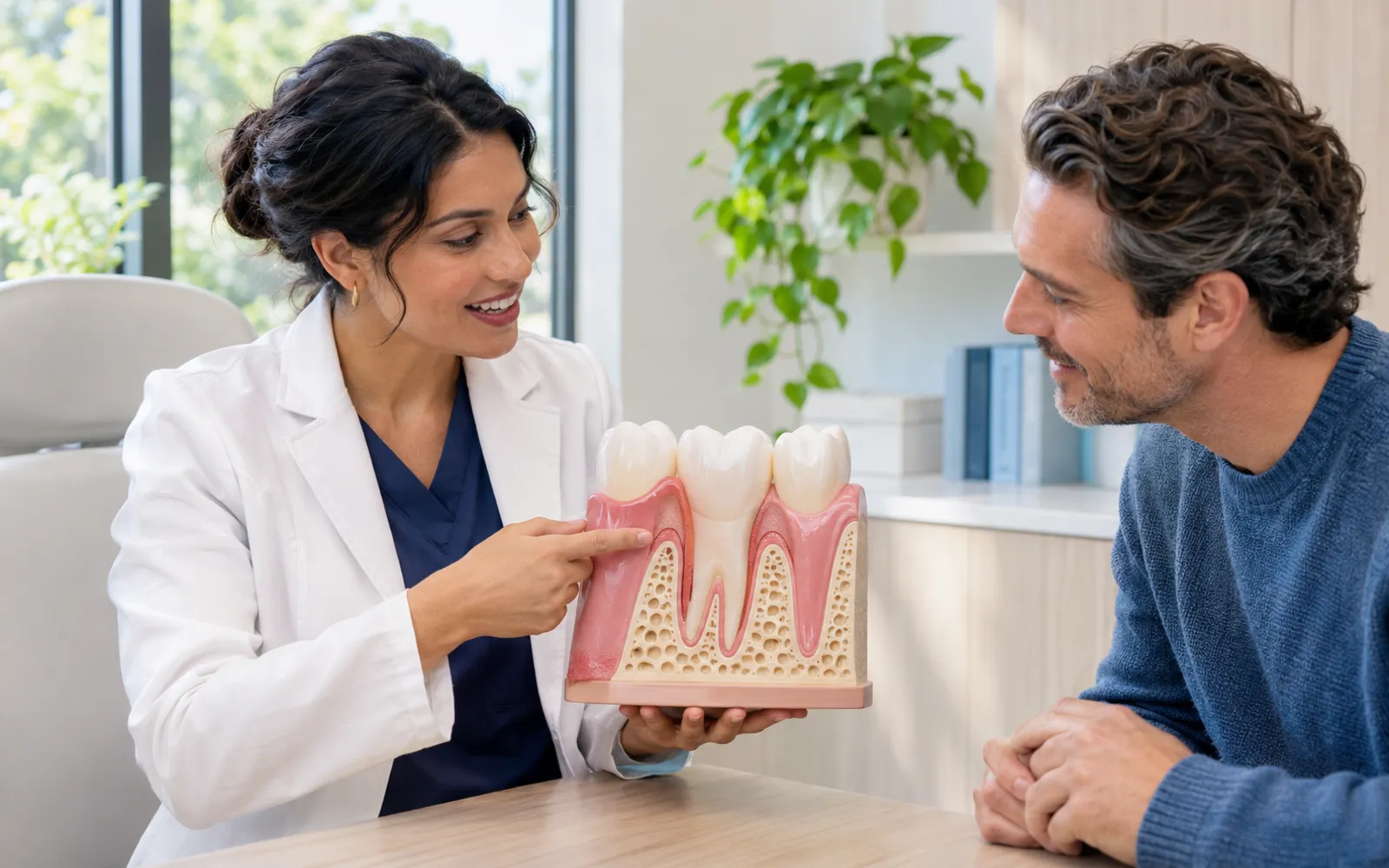
 Periodontists (gum specialists)Find local periodontists for gum disease, implants, and gum surgery. Learn what to expect, what to ask, and how to search by specialty, insurance, and location.

 ProsthodontistsFind a prosthodontist near you. Learn what they do, when to see one, what to ask, and how to search by insurance and specialty on Dentist Navigator.