
Full-arch implants (All-on-4 style) explained
Full-arch implants replace a full row of upper or lower teeth. They use a few implants and a fixed bridge. This guide covers the process, recovery, risks, and questions to ask a dentist.
- 2,384 offices listed
- in 51 states
7 min readPublished November 21, 2026Updated November 21, 2026
AI-assisted. AI disclosureEditorial policy

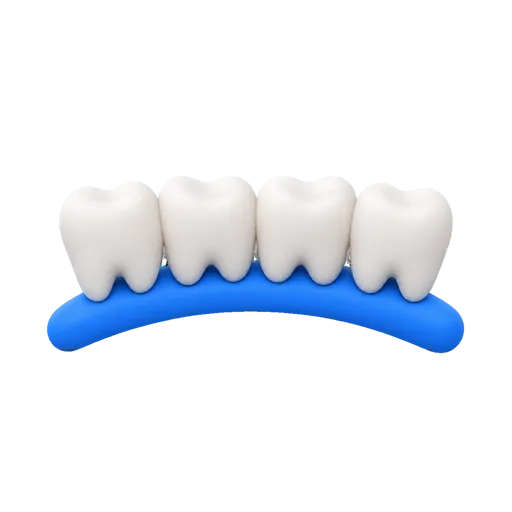












What are full-arch implants?
Full-arch implants replace a full row of teeth in your upper or lower jaw. Instead of putting in one implant for each missing tooth, the dental team puts in a few implants. A custom bridge of replacement teeth attaches to those implants.
Some people call this All-on-4 style care when four implants hold up the full arch. All-on-4 is a brand name for one technique. Many dental offices offer similar treatment using four, five, six, or more implants. The number depends on your bone and bite.
This option may help if you have lost most or all teeth in one arch. It may also help if your full denture slips or feels uncomfortable. Or if you have several failing teeth that need to come out. It is different from a traditional denture, which rests on your gums. A full-arch bridge is held by implants. It can be fixed in place or removable only by a dentist.
How All-on-4 style treatment works
The idea is to use fewer implants. They are placed at planned spots and angles to hold a full arch of replacement teeth. This can mean fewer surgery sites than one implant per tooth.
Typical steps include:
- Exam and imaging: Your dentist reviews your health history, checks your mouth, and takes X-rays or a 3D scan.
- Treatment planning: The dental team plans implant positions based on your bone shape and bite.
- Removal of remaining teeth if needed: Damaged teeth in that arch may be removed before or during implant surgery.
- Implant placement: The dentist places implants in the jaw. In many cases, a temporary fixed bridge or healing denture is attached the same day or soon after.
- Healing period: The implants need time to fuse with the bone. This process is called osseointegration and often takes several months.
- Final bridge: Once healing is complete, the dental team attaches the final full-arch bridge.
What are angled implants?
Sometimes the back implants are placed at an angle. This helps avoid important parts like sinus cavities or nerves. It may also let the dentist use a longer implant where bone is thin. Angled placement can spread biting forces across the bridge.
Your dentist will explain if angled placement is right for your jaw. Not every case uses angled implants.
Who may be a candidate
You do not need a perfect set of teeth to ask about full-arch implants. Many adults with missing or failing teeth can be evaluated. Your dentist will consider:
- Overall health and ability to heal after surgery
- Bone volume and density in the jaw
- Gum health and any untreated infection
- Smoking and tobacco use, which can slow healing
- Medical conditions such as uncontrolled diabetes
- Medications that affect bone healing
If your bone is thin or soft, your dentist may discuss bone grafting before or during implant placement. Each person is different. Ask your dentist what applies to your own situation.
Benefits to consider
Full-arch implants feel more stable than a removable denture. Because implants hold the bridge, many people find it easier to chew and speak. Your lips and cheeks can change when many teeth are missing. The bridge helps support them.
Other potential benefits:
- You do not need one implant for each missing tooth
- A fixed bridge stays in at night
- Many people feel more confident eating and smiling
- The bridge may help preserve jawbone, but bone changes can still happen
Results vary from person to person. Your dentist can explain what may be realistic for you.
Risks and things to watch for
Like any surgery, full-arch implant treatment comes with risks. Your dental team should review them before you begin.
Possible issues include:
- Swelling, bruising, or discomfort after surgery
- Bleeding that lasts longer than expected
- Infection at the implant site
- Temporary numbness in the lip, chin, or tongue
- An implant that does not fuse with bone (implant failure)
- Loose or cracked bridge components over time
- Difficulty cleaning around the bridge, which can lead to gum problems
Call your dentist if you have pain that worsens, fever, pus, or a bridge that feels loose. For severe swelling, trouble breathing or swallowing, uncontrolled bleeding, or facial trauma, call 911 or go to an emergency room right away.
Step-by-step: what to expect
Before surgery
Your dentist may ask you to stop some medicines. Arrange a ride home if you will have sedation. Plan soft foods for the first few days. For some health conditions, your dentist may ask your primary care doctor for medical clearance.
Day of surgery
Surgery may happen in a dental office or surgical center. You may get local anesthesia, sedation, or general anesthesia. The dental team places the implants. Then they attach a temporary bridge or healing denture. Some offices call this “teeth in a day.” But not every case can have an immediate temporary bridge. Your dentist will tell you what to expect.
Healing phase
The first week includes rest, soft foods, and careful cleaning as directed. Over the next few months, the implants fuse with the bone. You will have follow-up visits. The dental team checks healing and may adjust the temporary bridge.
Final bridge
Once healing is done, your dentist takes new records and orders the final bridge. Materials can include acrylic, composite, or zirconia. The final bridge attaches to the implants. Your dentist checks your bite and gives you care instructions.
Cleaning and care
Good cleaning helps full-arch implants last. Food and plaque can collect under the bridge. Your dental team will show you how to clean around the implants and under the bridge. Use special brushes, floss, or a water flosser.
You still need regular dental checkups. Your dentist or dental hygienist may remove the bridge sometimes for a professional cleaning. This depends on the design. Do not skip these visits.
Cost factors
The cost of full-arch implant treatment varies from office to office. Do not rely on one online number. Your estimate depends on:
- How many implants you need and whether bone grafting is needed
- Type of imaging and planning technology used
- Material for the temporary and final bridge
- Type of anesthesia or sedation
- Whether teeth need to be removed first
- Office location and team experience
- Any dental insurance benefits you have
Many dental plans do not cover implants. But they may cover part of the exam, imaging, or a temporary denture. In some cases, medical insurance may cover hospital or anesthesia costs. Ask for a written treatment plan with itemized costs. Check with your insurance before treatment.
Dentist Navigator can help you find a dentist who takes your insurance. You can search by insurance, specialty, and location.
Questions to ask your dentist
Before moving forward, bring a list of questions. You may want to ask:

How many implants do I need?
Will I get a temporary bridge the same day?
What material will the final bridge use?
How long will healing take?
What risks are most common for me?
What is the total cost, including follow-ups and repairs?
How do I clean and care for the bridge?
What happens if an implant or bridge part fails?
A good dental office will explain the plan clearly and welcome your questions. You do not have to make a decision the same day.
Finding a dentist
Full-arch implant treatment requires careful planning and coordination. You may start with your general dentist or see a prosthodontist (a specialist in replacing teeth), a periodontist (a gum specialist), or an oral surgeon. Some practices have a team that works together.
When comparing offices, consider:
- Experience with full-arch implant cases
- Clear talk about risks, benefits, and alternatives
- A written treatment plan and cost estimate
- Willingness to work with your insurance or discuss payment options
Dentist Navigator lets you search dentists by insurance, specialty, and location. That can help you find a provider to evaluate your case.
This guide is for general education only. It is not medical advice. Always ask your dentist what is right for your own mouth and health.
Sources
Is All-on-4 the same as full mouth dental implants?
All-on-4 is a brand-name treatment. It uses four implants to hold one full arch. Full mouth dental implants usually means treating both the upper and lower arches. Each arch uses four or more implants. Your dentist can explain which plan fits you.
How long do full-arch implants last?
The implants can last many years with good care. The bridge may need repair or replacement over time. Long-term success depends on your oral hygiene, overall health, and regular dental visits. Results vary.
Can I get full-arch implants if I have bone loss?
Some people with bone loss can still get full-arch implants. Angled implants or bone grafting may help. Your dentist will use imaging to measure your bone and discuss options. Not every case works without grafting.
Is the procedure painful?
You will get local anesthesia, sedation, or general anesthesia during surgery, so you should not feel the procedure. Afterward, swelling and soreness are common. Rest, ice, and medicine recommended by your dentist can help. Talk with your dentist about a pain management plan.
Will insurance cover full-arch implants?
Coverage varies. Dental insurance may not cover implants, but it could cover exam, imaging, or temporary teeth. Ask the dental office for a pre-treatment estimate and check your plan.
Related

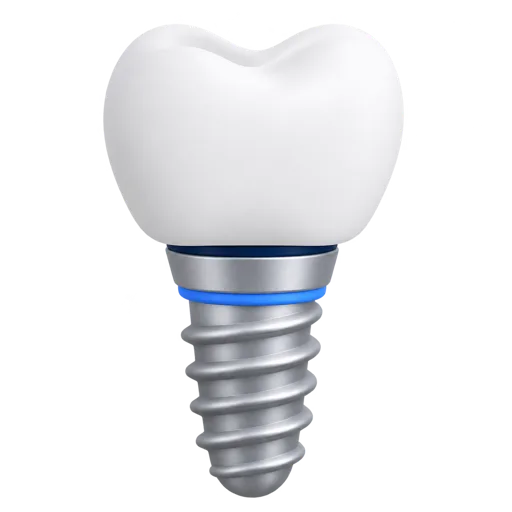 Dental implants explainedA dental implant is a titanium post placed in the jawbone to replace a missing tooth root, with a crown attached on top. This guide explains the process, what to expect, risks, and how to talk with your dentist about your options.
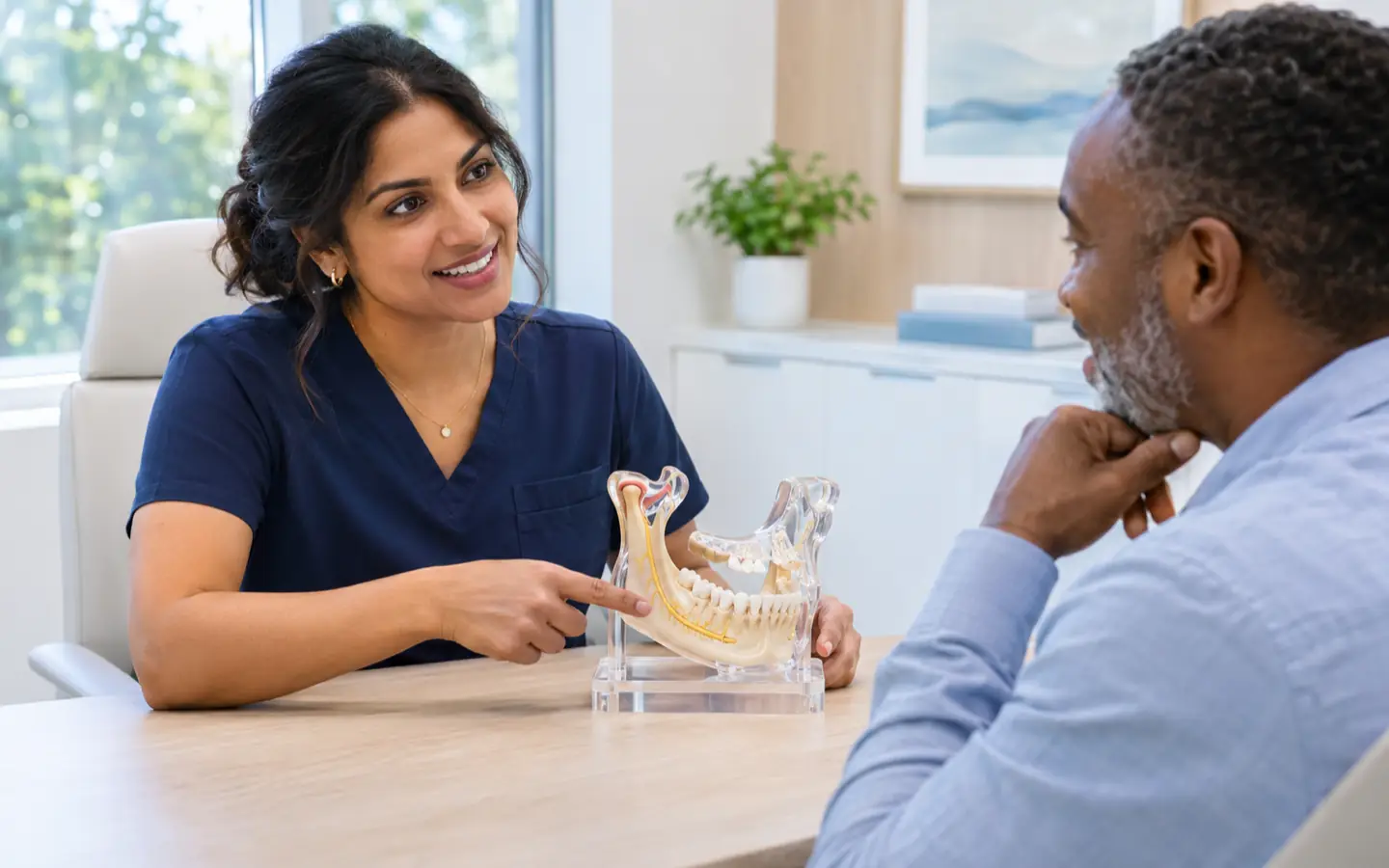
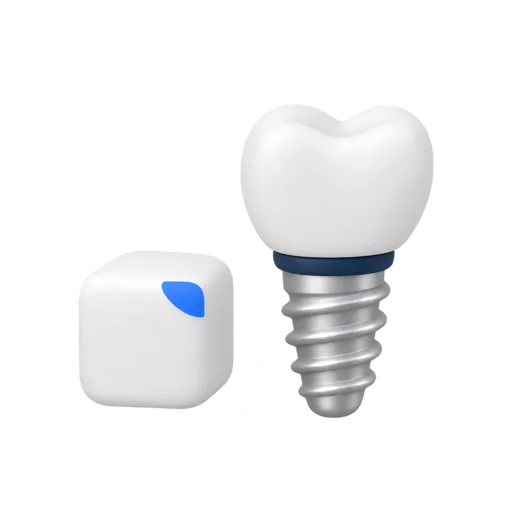 Bone grafts for dental implantsA dental bone graft adds or rebuilds bone in your jaw so a dental implant has a stable base. Ask your dentist whether you need one and what your healing may look like.

 Planning for dental implantsDental implants replace missing tooth roots. They can hold a crown, bridge, or denture in place. Planning ahead helps you understand the steps, healing time, and what may affect your cost.
Find a dentist
Find an implant dentist