
Planning for dental implants
Share this page
Dental implants replace missing tooth roots. They can hold a crown, bridge, or denture in place. Planning ahead helps you understand the steps, healing time, and what may affect your cost.
- 28,915 offices listed
- in 51 states
6 min readPublished November 21, 2026Updated November 21, 2026
AI-assisted. AI disclosureEditorial policy

Find Dental implants near you












What dental implants are
Dental implants are small posts. They are usually made of titanium, a strong metal. A dental specialist places the post into your jawbone. Over time, bone grows around the post and locks it in place. This bond is called osseointegration. The post then acts as a stable base for a replacement tooth, a bridge, or a denture.
A single implant often has three parts:
– The implant post that sits in the jawbone
– The abutment (a connector that attaches to the post)
– The crown, bridge, or denture you see and chew with
Implants can replace one tooth, several teeth, or support a full row of upper or lower teeth. Your dentist or a specialist may do the work. Specialists can include an oral surgeon, a periodontist (gum specialist), or a prosthodontist (replacement tooth specialist). Ask your dentist which provider is right for you.
Why planning matters
Planning ahead can help you feel calmer and avoid surprises. Implant treatment usually happens in phases. You may have a surgical visit, then a healing period that lasts weeks or months, and later visits to place the final replacement tooth, bridge, or denture. Some people need extra steps first, such as tooth removal, bone grafting, or gum disease treatment.
A clear plan helps you:
– Understand the timeline and how many visits to expect
– See which parts may be covered by insurance
– Prepare for time off work or help at home after surgery
– Ask about payment options before treatment starts
Your dentist can walk you through each step. No two mouths are the same, so your plan may look different from someone else’s.
What affects the cost of dental implants
The total cost of dental implants depends on several factors. No single price applies to everyone.
Things that can affect your cost include:
– The number of implants you need. One implant costs less than several implants or a full row.
– Imaging, such as panoramic X-rays or 3D scans, used to plan surgery.
– Whether you need a tooth removed before the implant.
– Whether you need bone grafting or a sinus lift to build up bone.
– The type of replacement placed on top, such as a crown, bridge, or denture.
– The materials used for the post, abutment, and crown.
– The experience and location of your provider. Fees vary by region and practice.
– Whether you need sedation during surgery.
Because costs vary widely, treat any online price as a starting point, not a firm quote.
A practical way to understand your cost is to ask for a written treatment plan. It should list each step, the dental codes, and the estimated fee for your area. Then share that plan with your insurance or dental membership program before you schedule.
How to compare estimates
When you get a written plan, look for missing steps. Some plans include the implant and crown but not the abutment, imaging, or bone graft. Ask the office to include every step so your estimate is complete.
You can also ask if the office offers a pre-treatment estimate through your insurance. This is not a promise of payment. It can show what your plan may pay and what you may owe.
How dental insurance may help
Dental insurance often treats implants as a major procedure. Some plans help pay for part of the implant, the abutment, or the crown. Others may not cover implants at all. A few plans may cover the crown but not the surgical part, or the other way around.
Coverage can also depend on why the tooth is missing. If you lost a tooth in an accident, medical insurance may cover part of the surgery or bone grafting. If the implant is seen as cosmetic or optional, dental coverage may be smaller or unavailable. This varies by plan, state, and provider network.
Before you schedule, ask your dental office to submit a pre-treatment estimate, sometimes called a predetermination. This is not a promise of payment. It can show what your plan may pay and what you may owe.
If you do not have dental insurance, ask the office about: – In-house membership plans that offer discounts on certain services – Third-party dental discount plans – Payment plans through the office or a healthcare lender – Cash or prepayment options that some offices may offer
The Dentist Navigator directory can help you find a dentist who takes your insurance. That way you can start with a provider in your network.
 Delta Dental
 Blue Cross Blue Shield
 UnitedHealthcare
 Aetna
 Cigna
 MetLife
 United Concordia
 Guardian
 Medicaid
 Ameritas
 Humana
 Principal
 GEHA
 Careington
 Sun Life
 DentaQuest
 Liberty Dental
 Lincoln Financial
 Medicare Advantage
 TRICARE
 CHIP
 Renaissance
 MCNA
 Spirit
Logos identify plans. No affiliation or endorsement is implied.
Questions to ask your dentist
Before you begin, bring a list of questions to your consultation. Good questions include:

Can I get implants now, or do I need bone grafting or gum treatment first?
How many implants do you recommend for my situation?
Which specialist, if any, will place the implant?
What is the full timeline from start to finish?
What kind of sedation or anesthesia will I have, and what does that cost?
Will I need time off work, and for how long?
What can I do to lower the chance of complications?
How will you manage pain after surgery? (Ask about your own health history, allergies, and medications.)
What are the possible risks or side effects for my situation?
Can I get a written treatment plan with dental codes and fees?
Will you submit a pre-treatment estimate to my insurance?
What if I need adjustments or repairs later?
Write down the answers so you can compare providers if you choose to get a second opinion.
Recovery and everyday care
Recovery is different for every person. Many people return to work within a day or two after a single implant. Full healing of the bone can take weeks or months. You may have swelling, bruising, or mild soreness. Follow your dentist’s aftercare instructions closely.
If you ever have severe swelling, trouble breathing or swallowing, uncontrolled bleeding, or facial trauma after a dental procedure, call 911 or go to an emergency room.
Care after healing is similar to care for natural teeth:
– Brush twice a day with a soft-bristle brush
– Clean between teeth and around the implant as your dentist shows you
– Keep regular dental checkups
– Tell your dentist if anything feels loose, sore, or unusual
Implants are not a one-time fix and forget treatment. Like teeth, they need daily care and professional maintenance.
Finding a dentist for your implant plan
Start by looking for a dentist or specialist who explains things clearly, answers your questions, and gives you a written plan. You can use Dentist Navigator to search by insurance, specialty, and location. That can help you find a provider who takes your plan and offers implant services.
When you call an office, ask if they place implants or refer you to a specialist. Ask about consultation fees, imaging costs, and how they handle insurance estimates. A calm, organized office can make the planning process feel less stressful.
This guide is general education only. It is not medical advice. Your dentist can tell you what is right for your mouth, health history, and budget.
Sources
How long do dental implants take from start to finish?
It usually takes several months. The bone needs time to heal around the implant. Your timeline depends on whether you need extractions, bone grafting, or other steps. Ask your dentist for a personal estimate.
Does dental insurance cover dental implants?
Some plans pay a part, but many do not cover implants. Others may only cover certain parts, like the crown. Coverage varies by plan, state, and why the tooth is missing. Ask your insurance or dentist to check your benefits.
Are dental implants painful?
You should not feel sharp pain during surgery. The area is numbed or you may be sedated. Some soreness, swelling, or bruising is common afterward. Talk with your dentist about pain control and your health history.
Can I get implants if I have bone loss?
Many people can still get implants after bone grafting. Your dentist will check the amount and quality of your jawbone with X-rays or a 3D scan. Not everyone can get implants, so a consultation is important.
How do I find out what my dental implants will cost?
Ask for a written treatment plan that lists each step and dental code. Then ask your dental office to submit a pre-treatment estimate to your insurance. That can show what your plan may pay and what you may owe.
Share this page
Related

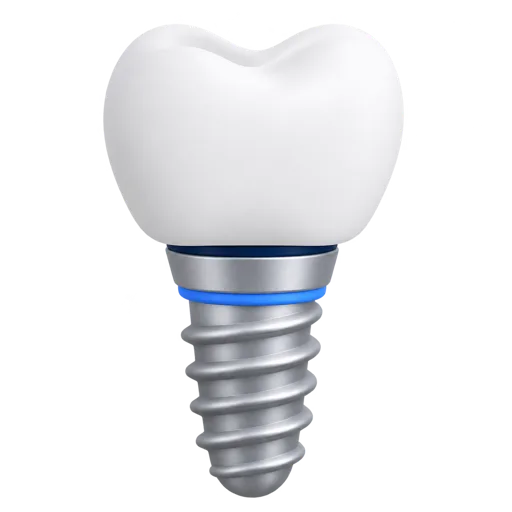 Dental implants explainedA dental implant is a titanium post placed in the jawbone to replace a missing tooth root, with a crown attached on top. This guide explains the process, what to expect, risks, and how to talk with your dentist about your options.
 What affects dental care costsDental care costs depend on where you live, the dentist's experience, the materials used, and your insurance. Knowing these factors helps you plan and ask for cost estimates before treatment.

 Ways to pay for larger dental workYou can pay for larger dental work through insurance, payment plans, tax-advantaged accounts, dental savings plans, or lower-cost clinics. The right approach depends on your treatment plan, insurance details, and budget. Ask your dentist for a written estimate and compare your options.
Find a dentist
Find implant dentists