
Dental care for older adults
Share this page
As you get older, certain risks go up. These include dry mouth, gum disease, root decay, and tooth loss. Most problems can be managed with daily care and regular dental visits. Use this guide to understand common changes and keep your mouth healthy. Find a dentist who takes your insurance.
- 132,409 general dentistry offices listed
- in 51 states
8 min readPublished November 21, 2026Updated November 21, 2026
AI-assisted. AI disclosureEditorial policy

Find General dentist near you












How aging affects your mouth
This guide is for education only. It is not medical advice. Ask your dentist or doctor about your situation.
Aging alone does not cause tooth loss. Many older adults keep their natural teeth for life. But teeth can wear down over time. Gums may pull back. Some dental problems become more common. Knowing what to watch for helps you stay ahead.
Common changes in later years
- Teeth may look more yellow or stained from food, drink, and tobacco.
- Enamel can thin or wear away. This may make teeth more sensitive.
- Gums may pull back from the teeth. This exposes the softer root.
- Old fillings or crowns (caps that cover damaged teeth) may crack or loosen.
- Your mouth may feel dry if you take certain medicines.
These changes do not happen to everyone. Your dentist can tell you what is normal for you.
Common mouth problems in older adults
Dry mouth
Dry mouth is more than uncomfortable. Saliva washes away food and acid. Less saliva means a higher risk of cavities and gum disease. Dry mouth is often a side effect of medicines for high blood pressure, depression, allergies, pain, and other conditions. Some health problems and radiation therapy can also reduce saliva.
What can help:
- Sip water all day.
- Chew sugar-free gum or suck on sugar-free hard candy.
- Use fluoride toothpaste. Use a fluoride rinse if your dentist suggests one.
- Limit caffeine, alcohol, and tobacco. They can make dryness worse.
- Ask your doctor if any of your medicines can be adjusted. Never stop a medicine on your own.
Gum disease
Gum disease is an infection of the tissues that hold your teeth in place. It is more common in older adults. Good care can often manage it. Early signs include red, swollen, or bleeding gums. Later signs include loose teeth, receding gums, and bad breath that will not go away.
Regular dental visits help find gum disease early. Treatment may include a deep cleaning, better home care, or more frequent visits.
Root decay
When gums recede, the roots of teeth are exposed. Roots do not have hard enamel. So they can decay more easily. Root decay can grow quickly. It may make teeth sensitive to hot, cold, or sweet foods. Brush with fluoride toothpaste and see your dentist regularly. This helps protect exposed roots.
Tooth loss and dentures
Tooth loss is not a normal part of aging. But it is more common if gum disease, decay, or injury go untreated. Missing teeth can make chewing harder. Other teeth may shift. Options to replace missing teeth include dentures, partial dentures, bridges, and dental implants. Your dentist can explain what may work for your mouth, health, and budget.
Oral cancer
The risk of oral cancer goes up with age. A dental exam often includes a quick check of your lips, tongue, cheeks, and throat. Tell your dentist about any sore that does not heal, a lump, white or red patches, or trouble swallowing lasting more than two weeks. These signs do not mean cancer. But they should be checked.
How health conditions and medicines affect your mouth
Many long-term health conditions affect oral health. Oral health can also affect those conditions.
- Diabetes: High blood sugar can make gum disease worse. Gum disease can make blood sugar harder to control.
- Heart disease: Gum inflammation may be linked to heart health. Keeping your mouth clean matters.
- Arthritis: Stiff or painful hands can make brushing and flossing harder. An electric toothbrush, floss holders, or larger brush handles may help.
- Parkinson’s disease, stroke, or Alzheimer’s disease: These can affect your ability to brush, floss, or sit still for dental care. Caregivers may need to help with daily oral care.
- Acid reflux: Stomach acid can wear down teeth over time. Rinse with water after reflux and wait to brush.
Medicines can also cause dry mouth, gum swelling, altered taste, or mouth sores. Bring a current list of all medicines, vitamins, and supplements to every dental visit. Include over-the-counter products too.
Daily care at home
A few easy habits can protect your mouth.
- Brush twice a day with a fluoride toothpaste. Use a soft bristle brush.
- Clean between teeth once a day. Use floss, floss picks, or interdental brushes.
- If you wear dentures, take them out at night. Clean them daily.
- Use a fluoride mouth rinse if your dentist recommends one.
- Check your mouth often for sores, red or white patches, or changes.
- Drink water often, especially if your mouth feels dry.
- Limit sugary foods and drinks. Limit alcohol.
- Do not use tobacco. Tobacco raises the risk of gum disease, tooth loss, and oral cancer.
If your hands are stiff, try an electric toothbrush with a thick handle. Or wrap the handle with foam. A floss holder can make cleaning between teeth easier.
Denture and partial care
Dentures need daily care, just like natural teeth.
- Rinse dentures after eating to remove food.
- Brush them daily with a soft denture brush and a nonabrasive denture cleanser. Do not use regular toothpaste. It can scratch.
- Soak dentures overnight in water or a denture soaking solution. Follow the product instructions.
- Brush your gums, tongue, and any remaining teeth every morning before putting dentures in.
- Remove dentures at night to give your mouth a rest.
- If dentures feel loose, cause sore spots, or click when you talk, see your dentist. Do not adjust them yourself.
What to expect at a dental visit
A dental visit for an older adult is like any adult visit. But your dentist may spend extra time on your health history and medicines.
During the visit, the dental team may:
What to bring:
Tell the office if you need a wheelchair-accessible room, a longer appointment, or help getting in and out of the chair. Most offices will help.
- Ask about changes in your health, medicines, and any mouth problems.
- Look at your teeth, gums, tongue, and the inside of your cheeks.
- Check for gum disease by measuring spaces around teeth.
- Do an oral cancer screening.
- Take x-rays if needed.
- Check the fit of dentures, partials, or other dental work if you have them.
- A list of all medicines, including over-the-counter drugs and supplements.
- Your dentures or partials, even if you are not wearing them.
- A list of questions or concerns, such as dry mouth, pain, loose teeth, or trouble chewing.
- Your insurance card or plan information.
When to seek care right away
Call your dentist promptly if you have:
Tooth pain that does not go away
Swelling in your gums, face, or jaw
A broken tooth or lost filling or crown
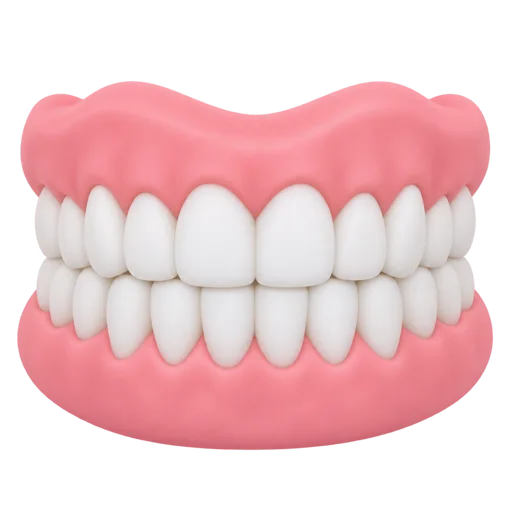
Dentures that suddenly do not fit or cause pain
A sore or patch in your mouth that lasts more than two weeks
Call 911 or go to an emergency room if you have severe swelling, trouble breathing or swallowing, uncontrolled bleeding, or facial trauma.
Paying for dental care as an older adult
Dental care costs vary by treatment, location, and your plan. Here is what to know about common coverage paths.
- Original Medicare generally does not cover routine dental care such as cleanings, fillings, or dentures. Some Medicare Advantage plans offer dental benefits. Coverage varies. Check your plan documents.
- Medicaid dental coverage for adults is set by each state. Some states cover cleanings, fillings, extractions, and dentures. Others offer only limited or emergency care. Visit Medicaid.gov or your state Medicaid office to learn what is covered where you live.
- Private dental insurance plans may cover a portion of care after deductibles and copays. Coverage for dentures, implants, and crowns often has waiting periods or annual maximums.
- Dental discount plans and dental membership plans may reduce what you pay at certain dentists. These are not insurance. But they can help some people budget.
- Dental schools and community health centers may offer lower-cost care. Students provide care under the supervision of licensed dentists.
- Many dental offices offer payment plans or a written estimate before treatment. Ask what your out-of-pocket cost will be before you schedule non-emergency work.
Dentist Navigator lets you search dentists by insurance, specialty, and location. You can find an office that fits your needs. Always confirm coverage with the dental office and your plan before your appointment.
Questions to ask your dentist

How is my gum health? How often should I have cleanings?
Are any of my medicines causing dry mouth or other mouth changes?
Do I need fluoride treatments or a prescription fluoride toothpaste?
What cleaning tools might work well for me if I have arthritis or limited hand movement?
How should I care for my dentures or partial?
Are my dentures still fitting well? Should they be relined or replaced?
What are my options if I lose a tooth?
What signs should I watch for between visits?
Finding a dentist for older adults
Look for a dental office where you feel comfortable asking questions and talking about your health. A good fit may offer:
- Experience treating older adults or patients with similar health conditions.
- An accessible entrance, restroom, and treatment room if you use a wheelchair or walker.
- Clear communication about costs and insurance before treatment.
- Sedation options if you have strong dental anxiety. Ask what is available and safe for you.
- A reminder system for appointments if you sometimes forget.
You can ask a friend, family member, or caregiver to come with you. Another person can help you remember what the dentist says.
If you are looking for a new dentist, Dentist Navigator can help you search by insurance, specialty, and location. That way you can narrow your choices before you call.
Sources
Does Medicare cover dental care for older adults?
Original Medicare generally does not cover routine dental care such as cleanings, fillings, or dentures. Some Medicare Advantage plans offer dental benefits. Coverage varies by plan. Check your plan documents or call your plan to confirm what is covered.
How often should I see the dentist as I get older?
There is no single schedule for everyone. Many adults see a dentist every six months. Your dentist may suggest more frequent visits if you have gum disease, dry mouth, or other concerns. Ask your dentist what interval is right for you.
What can I do about dry mouth?
Sip water often. Chew sugar-free gum. Limit caffeine, alcohol, and tobacco. Use fluoride toothpaste. Ask your dentist about fluoride rinses or other products. Talk with your doctor before stopping or changing any medicine that may cause dry mouth.
Are dental implants safe for older adults?
Many older adults can get dental implants. The decision depends on your overall health, bone density, and healing ability. Your dentist can review your medical history and may work with your doctor to decide if implants are a good option for you.
My dentures feel loose. What should I do?
Do not adjust them yourself or use over-the-counter reline kits without talking to your dentist. Loose dentures can cause sore spots and make chewing harder. Your dentist can check the fit and tell you if a reline, repair, or new denture is needed.
Share this page
Related

 Medicare and dental careOriginal Medicare does not cover most routine dental care. Some Medicare Advantage plans and separate dental plans can help pay for dental care. Dentist Navigator can help you find a dentist.

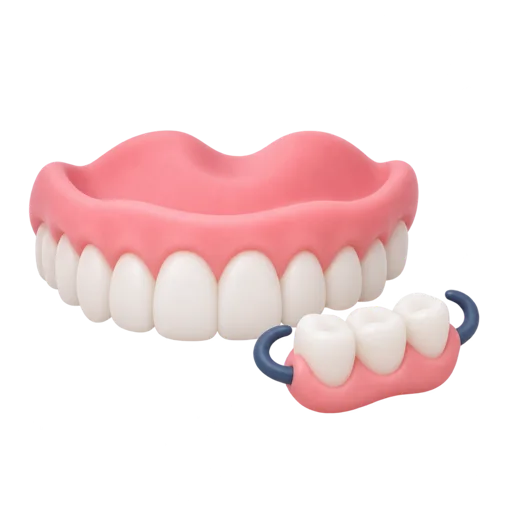 Dentures and partials explainedDentures and partials replace missing teeth and can be removed. They can help you chew, speak, and smile more comfortably. They take time to get used to and need daily care.

 Gum disease: signs and treatment optionsGum disease often starts with bleeding or swollen gums. Early treatment and good daily care can help you manage it and protect your smile.
Find a dentist
Search dentists by insurance