
Bad breath: causes and what helps
Bad breath, also called halitosis, is usually caused by bacteria in the mouth, food particles, a dry mouth, or certain health conditions. Simple daily habits like brushing, flossing, cleaning your tongue, and seeing a dentist regularly can help most people manage it.
- 188,364 general dentistry offices listed
- in 51 states
7 min readPublished November 21, 2026Updated November 21, 2026
AI-assisted. AI disclosureEditorial policy

Find General dentist near you












Understanding bad breath
Bad breath, also called halitosis, is something almost everyone deals with at some point. It can be embarrassing, but it is usually not a sign of a serious problem. However, persistent bad breath can sometimes point to an issue in your mouth or body that needs attention. This guide explains common causes and what may help. It is general education only, not medical advice. Talk with your dentist about your own situation.
Common causes of bad breath
Bacteria and food particles
Your mouth is home to many bacteria. Some of these bacteria break down food left on your teeth, gums, and tongue. This process can release an unpleasant smell. The back of the tongue is a common place for bacteria to collect because it is easy to miss when brushing. Food particles that stay between teeth or under the gumline can also feed bacteria and lead to odor.
Dry mouth
Saliva helps wash away food and bacteria. When your mouth is dry, you have less saliva to clean your mouth. This can make bad breath worse. Dry mouth can happen when you sleep, take certain medications, breathe through your mouth, or have certain health conditions. Drinking water can help, but if dry mouth is ongoing, your dentist may suggest other steps.
Foods and drinks
Some foods and drinks have strong smells that can linger. Garlic, onions, coffee, and alcohol are common examples. After you digest these, the smell can enter your bloodstream and reach your lungs, so it may come out when you breathe. Brushing and flossing after eating may help, but the odor may last until your body processes the food.
Tobacco products
Smoking or chewing tobacco can leave a strong smell in your mouth. Tobacco use also raises your risk of gum disease, which can cause bad breath. Quitting tobacco is a very helpful step for your breath and your overall health. Your dentist or doctor can help you find resources.
Dental problems
Gum disease, also called periodontal disease, is a common cause of bad breath. When plaque and tartar build up along the gumline, they can cause gums to become red, swollen, and bleed. The bacteria involved can create a smell. Tooth decay, also known as cavities, can also produce odor as the tooth breaks down. Loose or ill-fitting dentures, braces, or other appliances can trap food and bacteria and lead to bad breath. Regular dental checkups can help catch these issues early.
Other health conditions
Sometimes bad breath comes from outside the mouth. Sinus infections, postnasal drip, tonsil stones, acid reflux, diabetes, liver or kidney problems, and certain lung conditions may be linked to bad breath. If your dentist rules out mouth-related causes, they may suggest you see a medical doctor. Do not ignore persistent bad breath. It is worth checking out.
Daily habits that may help
Brush your teeth twice a day
Use a soft-bristled toothbrush and fluoride toothpaste. Spend at least two minutes brushing all surfaces of your teeth, including the fronts, backs, and chewing surfaces. Replace your toothbrush every three to four months, or sooner if the bristles are frayed. An electric toothbrush can be helpful, but a manual one works if you use it properly.
Clean between your teeth once a day
Floss or use another tool like interdental brushes or a water flosser to remove food and plaque from between teeth where your brush cannot reach. Ask your dentist or hygienist to show you a cleaning technique that works well for your mouth. This step is just as important as brushing.
Clean your tongue
Gently brush your tongue from back to front with your toothbrush or use a tongue scraper. This can help remove bacteria and dead cells that cause odor. Do not scrape too hard, as that can irritate your tongue. A small amount of toothpaste or mouthwash on the brush can make it easier.
Drink water and stay hydrated
Sipping water throughout the day can help keep your mouth moist and wash away food particles. If you have dry mouth, your dentist may suggest products like saliva substitutes or sugar-free gum to stimulate saliva. Avoid drinks with lots of sugar or acid, as they can feed bacteria and harm your teeth.
Limit odor-causing foods and drinks
You do not have to avoid garlic and onions forever, but be aware that they can affect your breath for hours. If you eat them, brush, floss, and rinse afterward. Sugar-free mints or gum may help briefly, but they do not replace cleaning your mouth. Crunchy fruits and vegetables like apples and carrots can help clean your teeth as you chew, but they are not a substitute for brushing.
Avoid tobacco
Quitting smoking or chewing tobacco can improve your breath and your overall oral health. Your dentist or doctor can point you to resources to help you quit. Many people find that their breath improves within a short time after quitting.
Mouthwash, gum, and mints: what to know
Mouthwash can freshen breath for a short time, but it does not remove the source of odor like plaque or food particles. Look for an antibacterial mouth rinse that carries the ADA Seal of Acceptance, which means the product has been tested for safety and effectiveness. Do not use mouthwash as a substitute for brushing and flossing. Sugar-free gum or mints can stimulate saliva, which helps wash away bacteria. They are a short-term fix. Chewing gum with xylitol may help reduce bacteria, but it will not solve the problem long term. Ask your dentist if these are right for you. Avoid rinses that contain alcohol, as they can dry out your mouth and make bad breath worse over time. Read labels carefully.
Common myths about bad breath
- Myth: Mouthwash alone can get rid of bad breath for good. Fact: It only masks the smell temporarily. You need to clean your teeth and gums.
- Myth: If you brush your teeth, you don’t need to floss. Fact: Brushing misses about a third of tooth surfaces. Flossing or using interdental cleaners removes food and plaque between teeth.
- Myth: Bad breath always comes from poor hygiene. Fact: It can come from dry mouth, certain foods, health conditions, or medications. A dentist can help find the cause.
- Myth: Tongue cleaning is optional. Fact: The tongue can hold a lot of odor-causing bacteria. Gently cleaning it helps many people.
When to see a dentist
Bad breath that does not go away after improving your daily care may need a professional look. See a dentist if you notice any of these:
Bad breath that lasts for weeks or keeps coming back
Gums that are red, swollen, tender, or bleed when you brush or floss
A bad taste in your mouth that does not go away
Loose teeth or receding gums
Mouth sores, pain, or difficulty chewing
A dry mouth that does not improve with water
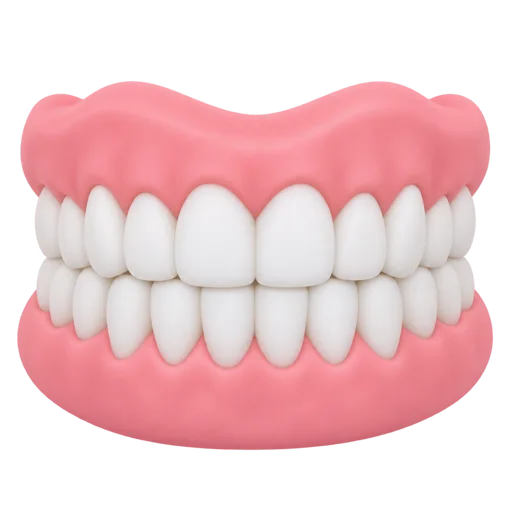
You have dentures or other appliances that feel loose or smell bad even after cleaning
Your dentist can examine your mouth, teeth, gums, and tongue. They may also ask about your health history, medications, diet, and daily care routine. This helps them figure out what might be causing the odor.
What a dentist may do
During a dental visit, the dentist or hygienist may:
- Check for gum disease by measuring the pockets around your teeth
- Look for cavities, cracked fillings, or other tooth problems
- Check your tongue, tonsils, and the roof of your mouth
- Review how you clean your teeth and give you tips
- Recommend a professional cleaning to remove plaque and tartar that you cannot remove at home
- If needed, treat gum disease or tooth decay
- Suggest a mouth rinse or other product designed for dry mouth or bacteria control
- Refer you to a medical doctor if they suspect a non-dental cause
Remember: these are general possibilities, not a promise of what your dentist will do for you. Your treatment plan depends on your unique situation.
Finding a dentist near you
If you need a dentist to help you with bad breath or any other concern, Dentist Navigator can help you search for dentists by insurance, specialty, and location. You can find a dentist who takes your plan and offers the care you need. It is free to use and designed to make the search easier. For severe symptoms like trouble breathing, swelling in your face or neck, uncontrolled bleeding, or injury to your mouth, call 911 or go to an emergency room right away.
Sources
What causes bad breath even after brushing?
Bad breath can continue after brushing if bacteria remain on the tongue, between teeth, or below the gumline. Dry mouth, certain foods, tobacco, or health conditions can also cause odor that brushing alone does not fix. A dentist can help find the reason.
Can bad breath be a sign of something serious?
Sometimes yes. Persistent bad breath can be linked to gum disease, tooth decay, or other health issues like sinus problems, acid reflux, or diabetes. If you have bad breath that does not go away, see a dentist to check for mouth-related causes. If needed, they may refer you to a doctor.
How can I tell if I have bad breath?
It can be hard to smell your own breath. You can ask a trusted friend or family member, or you can lick the inside of your wrist, let it dry for a few seconds, and smell it. Another option is to gently scrape the back of your tongue with a spoon and smell the residue. If you are concerned, a dentist can give you honest feedback.
Will mouthwash get rid of bad breath?
Mouthwash may freshen your breath for a short time, but it does not remove the bacteria and food particles that cause odor. For lasting help, you need to brush twice a day, clean between your teeth, and clean your tongue. Look for an antibacterial rinse with the ADA Seal of Acceptance, but do not rely on it alone.
Should I see a dentist or a doctor for bad breath?
Start with a dentist because most bad breath starts in the mouth. The dentist can check for gum disease, cavities, dry mouth, and other dental causes. If your mouth is healthy but the odor continues, the dentist may suggest you see a medical doctor to look for other causes.
Related

 Gum disease: signs and treatment optionsGum disease often starts with bleeding or swollen gums. Early treatment and good daily care can help you manage it and protect your smile.

 Cavities: how they start and how to prevent themCavities are small holes in tooth enamel caused by acid from bacteria that feed on sugars and starches. You can help prevent them with daily brushing and flossing, fluoride, smart eating habits, and regular dental checkups.

 Planning for a dental cleaning and examA dental cleaning and exam is a routine visit. It removes plaque and tartar, checks for cavities and gum disease, and helps prevent bigger problems. Cost varies by location, insurance, and whether you need X-rays or a deep cleaning. Planning ahead can help you avoid surprises.