
Care and comfort guides
Last updated November 21, 2026
These guides give you plain steps for feeling calm and cared for at the dentist. They cover common worries, pain, aftercare, and special needs so you can act with confidence.

What the guides cover
These guides cover common dental care topics:
- Feeling nervous or scared before a visit
- Pain after a tooth is pulled, filled, or worked on
- Aftercare for a crown (a cap that covers a damaged tooth), root canal, or dentures
- Comfort for kids, older adults, and people with disabilities
Each guide tells you what to expect, what to ask, and what to do at home. Facts come from public sources like the NPI Registry, state dental boards, and practice websites. If we are not sure about a fact, we leave it out. We never give medical advice.
Who these guides help
These guides are for you if you:
- Feel nervous about dental visits
- Care for a child, an older adult, or someone with a disability
- Just had treatment and want to know what is normal
- Want to ask better questions at your next visit
The guides use short sentences and everyday words. You do not need an account to read them.
How to use the guides
Pick the guide that fits your situation. Read it before your visit so you know what to ask. Bring the list of questions with you. After the visit, follow the home care steps. If something feels wrong, call your dentist. If it is an emergency, call 911.
Questions
Are these guides medical advice?
No. They are general education to help you plan and ask questions. Always talk to your dentist about your own mouth and health. For emergencies, call 911.
Do I need an account to read them?
No. The guides are free and open on Dentist Navigator. You can read them on any device without giving your name or email.
Can I use them for my child or parent?
Yes. Many guides include steps for kids, older adults, and people who need extra support. If a guide does not fit, ask the dentist for a plan made for your family member.
How do I find a dentist who fits my needs?
Use the search on Dentist Navigator. Filter by location, insurance, specialty, and need. Search is free, and you contact the practice directly. You do not need an account to search.

 Bad breath: causes and what helpsBad breath, also called halitosis, is usually caused by bacteria in the mouth, food particles, a dry mouth, or certain health conditions. Simple daily habits like brushing, flossing, cleaning your tongue, and seeing a dentist regularly can help most people manage it.

 Cavities: how they start and how to prevent themCavities are small holes in tooth enamel caused by acid from bacteria that feed on sugars and starches. You can help prevent them with daily brushing and flossing, fluoride, smart eating habits, and regular dental checkups.

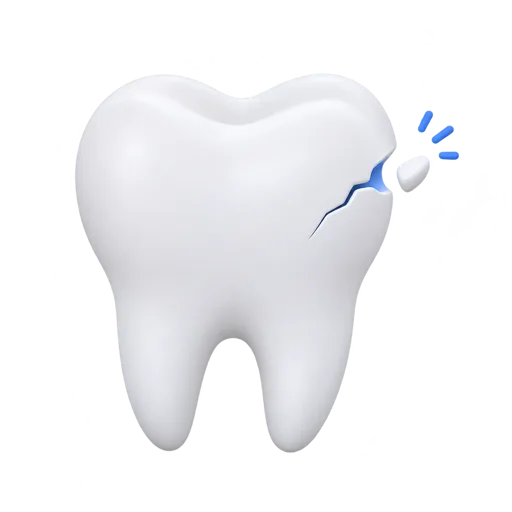 Cracked or chipped tooth: next stepsRinse your mouth with warm water, cover any sharp edge, and call a dentist. A small chip may only need smoothing or bonding, while a deeper crack can affect the tooth's nerve and may require a crown (a cap that covers the tooth) or root canal.

 Dental anxiety: what helpsDental anxiety is common. It can make dental visits hard. Talk openly with your dentist, try relaxation tools, and learn about sedation. These steps can help you feel more in control.

 Dental care for people with special needsDental care for people with special needs can work well with planning, clear communication, and a caring dental team. This guide tells you what to expect, how to prepare, and how to find a dentist who is a good fit.

 Dental emergencies: what to do firstA dental emergency often includes severe pain, bleeding, swelling, or a knocked-out tooth. Start with basic first steps at home. Then contact a dentist right away or go to an emergency room if symptoms are serious.

 Gum disease: signs and treatment optionsGum disease often starts with bleeding or swollen gums. Early treatment and good daily care can help you manage it and protect your smile.

 How often should you see a dentistMost adults should see a dentist for a checkup and cleaning every 6 months. Your personal schedule may be shorter or longer based on your oral health, medical conditions, and risk factors.

 How to Find an Emergency DentistIf you have a dental emergency, call a dentist right away. Go to an emergency room for serious symptoms. This guide explains what counts as urgent dental care, how to find an emergency dentist near you, and what to expect.

 Sedation dentistry options explainedSedation dentistry uses medicine to help you feel calm during dental care. Options range from mild laughing gas to deeper sedation. The right choice depends on your health, anxiety, and the procedure.

 Sensitive teeth: causes and what helpsSensitive teeth can cause sharp pain when you eat or drink something hot, cold, sweet, or acidic. Usually the cause is worn enamel or receding gums. A dentist can help you find relief and check for more serious problems.

 Tooth pain: common causes and when to see a dentistTooth pain is often a sign that something in your mouth needs attention. Mild discomfort may improve with home care. But pain that lasts, worsens, or comes with swelling or fever should be checked by a dentist promptly.