
Veneers explained: what to expect
Dental veneers are thin, custom-made shells that cover the front surface of teeth to change their color, shape, size, or length. This guide walks you through types, the step-by-step process, aftercare, risks, and what to ask your dentist before deciding.
- 1,202 offices listed
- in 49 states
7 min readPublished November 21, 2026Updated November 21, 2026
AI-assisted. AI disclosureEditorial policy













What are dental veneers?
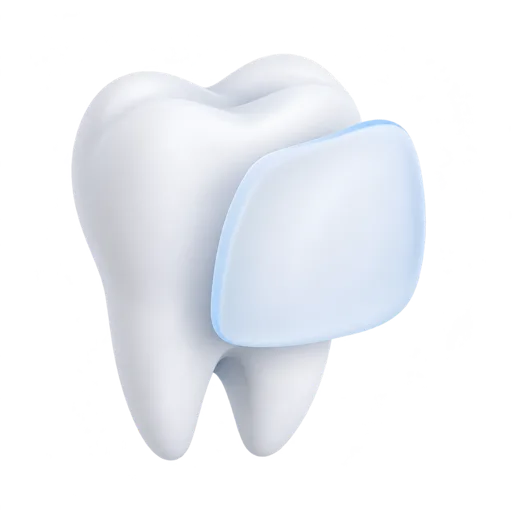
Dental veneers are thin, custom-made shells that cover the front surface of your teeth. They are made to match the shape and color of nearby teeth, or to create a new look. Dentists often use veneers to change the color, shape, size, or length of front teeth.
Veneers are different from dental crowns. A crown covers the entire tooth, while a veneer covers only the front and sometimes the biting edge. They are also different from dental bonding, where the dentist applies and shapes a tooth-colored resin directly on the tooth. Your dentist can explain which option fits your situation.
Types of veneers
There are two common types of veneers: porcelain and composite resin.
Porcelain veneers
Porcelain veneers are made in a dental lab after your dentist takes impressions of your teeth. They are strong, resist stains well, and can look very natural. Porcelain veneers often require removing a small amount of enamel from the front of the tooth so the veneer fits flush.
Composite resin veneers
Composite resin veneers are shaped directly on the tooth or made in a lab. They usually require less tooth preparation than porcelain. Composite veneers may be less expensive up front, but they can stain more easily and may need more repairs over time.
Your dentist will talk with you about which type may work better for your goals, budget, and oral health.
Who may consider veneers
Veneers may help with:
- Teeth that are stained or discolored and do not respond to whitening.
- Teeth that are chipped, worn, or slightly uneven.
- Small gaps between front teeth.
- Teeth that look too short or have an irregular shape.
Veneers are not a fix for tooth decay, gum disease, or severe misalignment. Your dentist will check your teeth and gums first to see if you are a good candidate. If you have active cavities or gum disease, those issues need treatment before cosmetic work.
What happens before veneers
Your first visit is usually a consultation. The dentist will examine your teeth and gums, take X-rays if needed, and ask about your goals. They may show you models or digital images to help you picture the result.
You should share:
- Any tooth sensitivity or pain.
- Habits like grinding or clenching.
- Medical conditions and medications.
- Your budget and insurance questions.
The dentist may recommend a different treatment, such as teeth whitening, dental bonding, or orthodontics, before or instead of veneers. Ask about all your options and the risks, benefits, and expected lifespan of each.
The veneer process step by step
The exact steps depend on the type of veneer and your dentist’s approach. In general, porcelain veneers take at least two visits. Composite veneers may be done in one visit.
Preparing teeth
For porcelain veneers, the dentist usually removes a thin layer of enamel from the front of the tooth. The amount is often about the thickness of a fingernail. This helps the veneer lie flat and look natural. For some people, no or very little removal is needed, but that depends on the case.
For composite veneers, the dentist may roughen the tooth surface lightly and then apply the resin in layers. Less tooth structure may be removed.
Impressions and temporary veneers
If your porcelain veneers are made in a lab, the dentist will take an impression or digital scan of your prepared teeth. The lab uses this to make your custom veneers. You may wear temporary veneers for a week or two while the permanent ones are being made. Temporary veneers are thinner and less durable, so you may need to avoid hard or sticky foods.
Bonding permanent veneers
At the next visit, the dentist will try the veneers on to check fit, shape, and color. They may adjust the veneers before bonding. Then they clean and etch the tooth surface, apply a bonding agent, and use a special light to harden the cement. The dentist removes any excess cement and checks your bite.
Follow-up visits
You may have a follow-up visit a few weeks later so the dentist can check your gums, bite, and how the veneers feel. Report any sharp edges, sensitivity, or changes in bite.
What to expect after getting veneers
Your teeth and gums may feel different at first. Some people have mild sensitivity to hot or cold for a few days or weeks. This usually gets better on its own. Tell your dentist if sensitivity is strong or lasts a long time.
You can eat and drink normally after the bonding cement has set, but your dentist may suggest avoiding very hard foods, chewing ice, or using your teeth to open packages. These habits can chip or crack veneers, just as they can damage natural teeth.
You may also notice that your bite feels slightly different. If it feels off or you feel pressure when you close your mouth, contact your dentist. An adjustment can often be made.
If a veneer breaks and causes a sharp edge that cuts your mouth, or if you have severe swelling or bleeding, seek urgent dental or medical care. Call 911 or go to an emergency room for trouble breathing or swallowing, uncontrolled bleeding, or facial trauma.
How long veneers last and caring for them
Porcelain veneers can last 10 to 15 years with good care, and composite veneers often last 5 to 7 years. These ranges vary based on your bite, habits, oral hygiene, and how well you avoid damage.
To care for veneers:
- Brush twice a day with a soft-bristled toothbrush and fluoride toothpaste.
- Floss daily, including around veneers.
- See your dentist for regular checkups and cleanings.
- Avoid using your teeth as tools or chewing hard objects like ice, pens, or hard candy.
- If you grind or clench your teeth, ask your dentist about a night guard.
Veneers themselves do not decay, but the tooth underneath and the gumline can still get cavities or gum disease. Good home care and regular dental visits are still important.
Risks and limitations to know
Veneers are a permanent change because some enamel is often removed. That enamel does not grow back. If a veneer comes off or breaks, the tooth may need to be re-prepared or protected.
Other possible issues include:
- Tooth sensitivity, especially to hot or cold.
- Color mismatch if a veneer is replaced later and the shade is not matched carefully.
- Chipping or cracking, especially if you grind your teeth or bite hard objects.
- Gum irritation or inflammation if the veneer edges are not smooth or if home care is difficult.
Veneers may not be right for people with severe tooth decay, gum disease, very thin enamel, or heavy grinding habits. Your dentist can help you weigh these risks and discuss alternatives such as dental bonding, crowns, or orthodontics.
Veneers, cost, and insurance
Veneers are often considered a cosmetic treatment. Many dental insurance plans do not cover them. If a veneer is needed to repair a broken or decayed tooth, some plans may cover part of the cost. Check with your insurance company and ask your dentist for a pre-treatment estimate.
The cost of veneers depends on several things, including:
- The material used, such as porcelain or composite resin.
- How many teeth you are treating.
- The dentist’s location and experience.
- Whether you need additional procedures first, like treating gum disease or tooth decay.
- Whether lab fees are included.
Ask for a written treatment plan before you begin. The plan should list the procedures, fees, and what your insurance may pay. If you do not have insurance, ask about payment plans, dental membership plans, or other ways to manage costs. Dentist Navigator can help you find dentists who take your insurance and who offer cosmetic services.
 Delta Dental
 Blue Cross Blue Shield
 UnitedHealthcare
 Aetna
 Cigna
 MetLife
 United Concordia
 Guardian
 Medicaid
 Ameritas
 Humana
 Principal
 GEHA
 Careington
 Sun Life
 DentaQuest
 Liberty Dental
 Lincoln Financial
 Medicare Advantage
 TRICARE
 CHIP
 Renaissance
 MCNA
 Spirit
Logos identify plans. No affiliation or endorsement is implied.
Finding a dentist for veneers
Choosing a dentist for veneers is an important step. Look for a dentist who listens to your goals, explains the risks and benefits, and shows you examples of their work only with patient permission. You may want to ask:
- Are veneers a good option for my teeth and goals?
- What are the pros and cons of porcelain versus composite?
- How many veneers do you recommend, and why?
- What will the process feel like, and how many visits will I need?
- What happens if a veneer chips or comes off?
- Can I see before and after photos of similar cases?
You can also ask about the dentist’s experience with cosmetic procedures and what training they have. A second opinion is okay if you want more information before making a decision.
If you are ready to look for a dentist, Dentist Navigator lets you search by insurance, specialty, and location. That can help you find a provider who fits your practical needs before you schedule a consultation.
Sources
Do veneers damage your natural teeth?
Getting veneers usually involves removing a small amount of enamel from the front of the tooth, and that enamel does not grow back. For many people, this is an acceptable trade-off for the cosmetic result, but it is a permanent change. Your dentist can tell you if your enamel is thick enough for veneers.
How long do veneers last?
Porcelain veneers often last 10 to 15 years with good care, and composite veneers often last 5 to 7 years. How long yours last depends on your bite, habits like grinding, and your daily oral care. Regular dental visits help catch small problems early.
Are veneers covered by dental insurance?
Veneers are mainly considered a cosmetic treatment, so many dental plans do not cover them. If a veneer is needed because a tooth is broken or decayed, your plan may cover part of the cost. Ask your insurance company for a pre-treatment estimate and ask your dentist for a written treatment plan.
Do veneers stain or change color?
Porcelain veneers resist stains better than composite veneers, but both can pick up surface stains from coffee, tea, red wine, and tobacco. Brushing and regular cleanings help, but you cannot whiten veneers with whitening products the way you whiten natural teeth. Discuss stain habits with your dentist.
What is the difference between veneers and crowns?
A veneer covers only the front surface of a tooth, while a crown covers the entire tooth above the gumline. Veneers usually require less tooth preparation than crowns, but crowns may be better for teeth that are heavily damaged or weak. Your dentist can recommend which option fits your tooth condition and goals.
Related

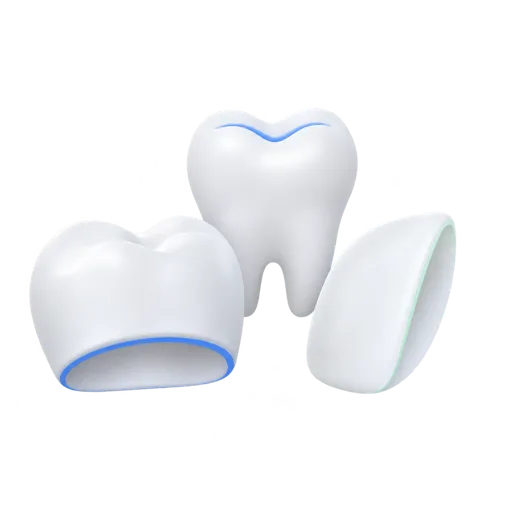 Crowns vs. veneers: how they compareA crown covers the whole tooth. It adds strength and repairs damage. A veneer is a thin shell on the front of a tooth. It is mainly for looks.

 Dental bonding explainedDental bonding is a procedure where a dentist applies a tooth-colored resin to repair minor chips, cracks, gaps, or discoloration. The material is shaped and hardened to blend with your tooth, usually in one visit without removing much tooth structure.

 Planning for veneersVeneers are thin, custom-made shells that cover the front of teeth. They can change tooth color, shape, or size. The cost depends on the material, the number of teeth, where you live, and the dentist's experience. Many dental plans see veneers as a cosmetic treatment, done mainly for looks. That means the plan may not pay for them.
Find a dentist
Find a cosmetic dentist