
Dental bonding explained
Dental bonding is a procedure where a dentist applies a tooth-colored resin to repair minor chips, cracks, gaps, or discoloration. The material is shaped and hardened to blend with your tooth, usually in one visit without removing much tooth structure.
- 1,202 offices listed
- in 49 states
7 min readPublished November 21, 2026Updated November 21, 2026
AI-assisted. AI disclosureEditorial policy

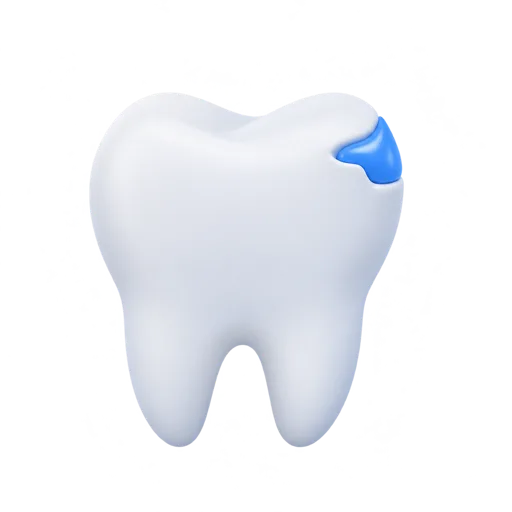












What is dental bonding?
Dental bonding is a treatment where a dentist applies a tooth-colored resin material to a tooth and hardens it with a special light. The resin bonds to the tooth and can be shaped and polished to match nearby teeth. Bonding is used to repair small chips, cracks, or gaps, to change the shape of a tooth, or to cover stains. It is often called composite bonding or direct bonding because the dentist builds the material directly on the tooth in one visit.
Bonding is different from veneers or crowns. A veneer is a thin shell made outside the mouth and then cemented onto the front of a tooth. A crown covers the entire tooth. Bonding adds material only where it is needed, usually without removing much healthy tooth structure.
What can dental bonding fix?
Dental bonding may be an option for:
- Small chips or cracks in a front tooth
- Gaps between teeth
- Teeth that look too short or uneven
- Stains or discoloration that do not respond to whitening
- Exposed tooth roots from receding gums
- Small cavities in some cases, where the dentist uses a tooth-colored filling material
Bonding is often a good fit for small repairs or cosmetic changes. If a tooth is badly broken, has a large cavity, or needs major reshaping, your dentist may suggest a crown, veneer, or other treatment. Ask your dentist what is appropriate for your situation.
How does the dental bonding procedure work?
The process usually happens in one visit, often in less than an hour for one tooth. Here is what you can expect:
- Preparation. The dentist chooses a shade of resin that matches your tooth. The tooth surface is cleaned and slightly roughened. A conditioning gel may be applied to help the resin stick. For shallow repairs, you may not need numbing. If the dentist is working close to the nerve or filling a cavity, they may numb the area first.
- Applying the resin. The dentist places the putty-like resin on the tooth and shapes it.
- Hardening. A special light hardens the resin. The dentist may add more layers and harden each one.
- Finishing. The dentist trims, shapes, and polishes the material so it feels smooth and looks natural.
You should be able to eat and drink normally after the visit, unless the dentist tells you otherwise. Some people feel slight roughness at first. Your dentist can smooth that at a follow-up if needed.
Does dental bonding hurt?
Most people do not need numbing for small bonding repairs. You may feel pressure or vibration while the dentist shapes and polishes the tooth. If the tooth is sensitive, the dentist can numb the area first. If you feel pain or sharp sensitivity during the procedure, tell your dentist right away. After the numbness wears off, you may have mild soreness around the tooth or gums for a day or two. Over-the-counter pain relief may help, but ask your dentist what they recommend.
Benefits and limits
Benefits
- Usually completed in one visit
- May require little or no removal of healthy tooth structure
- May be less expensive than veneers or crowns, but cost varies
- Can look natural when matched to your teeth
- Repairs may be done without extensive drilling
Limits
- The resin is not as strong as natural tooth enamel or porcelain
- Bonded areas can chip or break if you bite hard objects
- Resin can stain over time, especially with coffee, tea, red wine, or tobacco
- Bonding may not last as long as veneers or crowns
- It may need touch-ups or replacement after several years
Bonding is not a treatment for tooth decay under the resin. Your dentist will treat any decay first. Bonding also does not correct bite problems or replace missing teeth.
How long does dental bonding last?
How long bonding lasts depends on the size and location of the repair, your bite, and your habits. Small repairs on front teeth may last several years before needing a touch-up. Bonding on biting surfaces or on teeth that grind may wear or chip sooner. People who clench or grind their teeth may need a night guard to protect the bonding. Your dentist can check the bonding at regular visits and tell you if it needs repair. No treatment lasts forever, and bonding is not permanent.
How do you care for bonded teeth?
Care for bonded teeth like your natural teeth:
- Brush twice a day with fluoride toothpaste
- Floss or clean between teeth once a day
- See your dentist for regular checkups and cleanings
- Avoid biting hard items like ice, pens, or fingernails
- Limit foods and drinks that stain, or rinse with water after having them
- If you grind or clench, ask your dentist about a night guard
Bonded resin can stain. Whitening toothpaste or whitening treatments may not change the color of the resin. If the bonding becomes stained, the dentist may polish it or replace it. Ask before using whitening products so you do not create a color mismatch.
Bonding compared with fillings, veneers, and crowns
Bonding and tooth-colored fillings both use composite resin. A filling repairs a cavity inside a tooth, while bonding usually repairs a chip, gap, or stain on the outside of a tooth. The material is similar, but the goals are different.
Veneers are thin shells that cover the front surface of a tooth. They are made in a lab or with a milling machine and then bonded to the tooth. Veneers usually require more tooth preparation and cost more than bonding. They may last longer and resist stains better.
Crowns cover the entire tooth above the gumline. They are used when a tooth is badly worn, cracked, or has a large filling. Crowns are stronger than bonding but require more tooth reduction and usually take at least two visits.
Your dentist can explain which option fits your tooth, your bite, and your goals.
What affects the cost of dental bonding?
Cost varies based on several factors:
- How many teeth need bonding and the size of each repair
- The dentist’s location and experience
- Whether the bonding is considered cosmetic or medically necessary
- Whether you have dental insurance and what it covers
- Whether other treatment is needed first, such as treating decay or gum disease
Many dental plans cover bonding when it repairs a cavity or structural damage. If bonding is done only for appearance, your plan may not cover it. Ask your dental office for a written estimate before treatment. They can also check your insurance benefits and explain what you may owe. For general information about dental costs and insurance, see our related guide.
When should you call a dentist?
Call a dentist if you have a chipped or cracked tooth, a gap you want to close, or a tooth that looks stained or uneven. If you have severe swelling, trouble breathing or swallowing, uncontrolled bleeding, or facial trauma, call 911 or go to an emergency room. Bonding is not an emergency treatment. Your dentist can tell you if bonding is a safe option for your tooth.
Questions to ask your dentist about bonding

Is bonding the right option for my tooth, or would another treatment work better?
Will I need numbing?
How long can I expect the bonding to last?
What can I do to avoid chipping or staining it?
Will my dental insurance cover this procedure?
How should I care for the area after treatment?
What should I do if the bonding feels rough or chips later?
Finding a dentist for dental bonding
If you are considering bonding, look for a dentist who offers cosmetic or general dentistry. You may want to ask about their experience with bonding and whether they can show you examples of their work, if available. You can use Dentist Navigator to search for dentists by insurance, specialty, and location. Compare options and call offices to ask about their approach, what to expect, and how they handle follow-up care.
Dentist Navigator can help you find a nearby provider who takes your insurance and offers the care you need. Always confirm coverage and costs directly with the dental office before starting treatment.
This guide is for general education only. It is not medical or dental advice. Ask your dentist what is right for your own teeth and health.
Sources
Does dental bonding hurt?
Most people do not need numbing for small bonding repairs, though you may feel pressure or vibration. If the tooth is sensitive, the dentist can numb the area first. Tell your dentist right away if you feel pain.
How long does dental bonding last?
Bonding can last several years with good care, but it may chip, wear, or stain sooner on teeth that bite or grind. Your dentist can check it at regular visits and tell you when a touch-up or replacement is needed.
Does dental insurance cover bonding?
Many plans cover bonding when it repairs a cavity or structural damage. If bonding is done only for appearance, your plan may not cover it. Ask your dental office to check your benefits before treatment.
Can bonded teeth stain?
Yes, bonded resin can stain over time from coffee, tea, red wine, or tobacco. Whitening toothpaste or treatments may not change the resin color, but your dentist can polish or replace stained bonding.
What is the difference between bonding and veneers?
Bonding adds resin directly to the tooth in one visit and usually requires little or no tooth reduction. Veneers are thin shells made outside the mouth and then cemented onto the front of a tooth, often requiring more preparation and cost.
Related

 Cracked or chipped tooth: next stepsRinse your mouth with warm water, cover any sharp edge, and call a dentist. A small chip may only need smoothing or bonding, while a deeper crack can affect the tooth's nerve and may require a crown (a cap that covers the tooth) or root canal.

 Veneers explained: what to expectDental veneers are thin, custom-made shells that cover the front surface of teeth to change their color, shape, size, or length. This guide walks you through types, the step-by-step process, aftercare, risks, and what to ask your dentist before deciding.

 Dental fillings explained: what to expectA dental filling repairs a cavity or small area of tooth damage. Your dentist removes decay, places a filling material, and shapes the tooth so it can work normally again.
Find a dentist
Find a bonding dentist