
Dental fillings explained: what to expect
A dental filling repairs a cavity or small area of tooth damage. Your dentist removes decay, places a filling material, and shapes the tooth so it can work normally again.
- 188,364 general dentistry offices listed
- in 51 states
6 min readPublished November 21, 2026Updated November 21, 2026
AI-assisted. AI disclosureEditorial policy


Find General dentist near you












What is a dental filling
A filling is a material that your dentist places into a tooth after removing decay or repairing a small area of damage. The filling restores the tooth’s shape, strength, and function. It also helps seal the area so bacteria are less likely to get back in.
Cavities are the most common reason for a filling. A cavity is a hole in the tooth caused by acid from plaque and bacteria. If a cavity is small or medium, a filling is usually the standard treatment. If decay reaches the inner pulp, a root canal may be needed instead.
Why you may need a filling
Common reasons include:
- A cavity on a chewing surface, between teeth, or near the gumline
- A small crack or chip in a tooth
- Worn enamel from brushing too hard, acid reflux, or grinding
- Replacement of an old or broken filling
Your dentist will check with an exam and often an X-ray. Not every dark spot or sensitive area means you need a filling. Ask your dentist to explain what they see.
Types of filling materials
Different materials have different strengths, appearance, and cost. Your dentist will recommend a material based on the tooth location, how much chewing force it will face, and your preferences.
Composite resin
Composite is a tooth-colored material made of plastic and fine glass particles. It bonds directly to the tooth, so the dentist may need to remove less healthy tooth structure. Composite is popular for front teeth and visible areas. It may stain over time and can wear faster than metal in large back-tooth fillings.
Amalgam
Amalgam is a silver-colored material made from a mixture of metals, including mercury, silver, tin, and copper. It is strong and durable, so it is often used for back teeth that take heavy chewing force. The mercury in amalgam is bound within the filling. The U.S. Food and Drug Administration and the American Dental Association have reviewed dental amalgam. If you have questions or a health condition that concerns you, talk with your dentist about your options.
Glass ionomer
Glass ionomer is tooth-colored and releases fluoride, which may help protect the tooth from new decay. It is not as strong as composite or amalgam, so it is often used for small fillings, children, or areas that do not get much chewing force.
Gold and porcelain
Gold and porcelain are sometimes used for fillings or laboratory-made restorations called inlays or onlays. Gold is very durable but costs more and takes extra visits. Porcelain can look natural but may be more brittle than gold or metal. Your dentist can explain if these are an option for you.
What happens during a filling visit
Most fillings follow a similar process. Your experience may differ based on the material, tooth location, and your dental office.
- Exam and X-ray: Your dentist looks at the tooth and may take an X-ray to see the cavity shape and depth.
- Numbing: The dentist or hygienist usually applies a topical gel, then injects local anesthetic near the tooth. You may feel a pinch, but the area should become numb. Tell your dentist if you have dental anxiety or if numbing medicine wears off quickly for you.
- Decay removal: The dentist uses a drill, laser, or hand instruments to remove decay and shape the space. You may feel pressure, vibration, or water spray.
- Cleaning and prep: The dentist cleans and dries the area. For composite, they may apply a bonding liquid so the filling sticks.
- Placing the filling: The filling material is placed in layers and hardened with a special light for composite, or packed and shaped for amalgam.
- Shaping and polishing: The dentist checks your bite with marking paper, adjusts high spots, and polishes the filling so it feels smooth.
The appointment for one simple filling often takes about 20 to 60 minutes. Larger fillings or multiple teeth may take longer.
What to expect after a filling
Right after the appointment, your mouth, cheek, and tongue may stay numb for a few hours. Avoid hot drinks and do not chew on that side until the numbness wears off so you do not burn or bite yourself.
For a few days or weeks, the tooth may feel sensitive to cold air, cold drinks, or pressure. This is common and usually goes away. You can take over-the-counter pain relievers if your dentist says it is okay. Avoid very hot, cold, or sticky foods for the first day or two if the tooth feels tender.
If your bite feels high, meaning the filled tooth touches before your other teeth, call your dentist. A quick adjustment can often help.
Important: If you have severe swelling, trouble breathing or swallowing, uncontrolled bleeding, or facial trauma, call 911 or go to an emergency room.
How long do fillings last
No filling lasts forever. How long a filling lasts depends on:
- Material used
- Size and location of the filling
- How hard you chew or grind your teeth
- Your brushing and flossing habits
- How often you see your dentist
Many fillings last for years, but a large filling in a back tooth that takes heavy force may wear out sooner than a small filling in a front tooth. Your dentist can give you an idea of what is typical for your material and situation, but nobody can promise an exact lifespan.
Signs a filling may need attention
Call your dentist if you notice any of these:
- Sharp pain when you bite down
- Sensitivity that lasts more than a couple of weeks
- A rough, cracked, or loose filling
- Food getting stuck in the same spot every time you eat
- A filling that falls out
- Pain that wakes you up or throbs
These symptoms do not always mean the filling failed. Sometimes the bite just needs adjustment or the tooth needs a different treatment. Do not wait if you have pain or a broken filling, because the tooth may be more exposed to new decay.
Caring for a filled tooth
You can care for a filling the same way you care for your other teeth:
- Brush twice a day with fluoride toothpaste.
- Floss or clean between teeth once a day.
- Limit sugary drinks and snacks.
- See your dentist for checkups as often as they recommend.
- Tell your dentist if you grind your teeth; they may suggest a night guard.
A filling does not make a tooth immune to new cavities. Decay can form around the edges if plaque builds up. Good home care and regular dental visits help you catch problems early.
Finding a dentist for a filling
A general dentist can usually place most fillings. If you have a complex case, a dentist may refer you to a specialist. When choosing a dentist, ask about:
- Whether they accept your dental insurance or offer payment options
- What materials they use and why
- How they handle dental anxiety or numbing concerns
- What to expect for your specific tooth
Dentist Navigator lets you search dentists by insurance, specialty and location. This can help you narrow your options and call ahead to confirm coverage and scheduling.
Sources
Does getting a filling hurt?
You will likely get local anesthetic to numb the area. You may feel pressure or vibration, but you should not feel sharp pain. Tell your dentist right away if you do, so they can adjust the numbing or technique.
How long does a filling appointment take?
One simple filling often takes about 20 to 60 minutes. Larger fillings or multiple teeth may take longer. Your dentist can give you a better idea after looking at your tooth.
Can I eat after a filling?
Wait until the numbness wears off to avoid biting your cheek or tongue. With composite, you can usually eat once the numbness is gone. With amalgam, your dentist may suggest waiting longer before chewing on that side. Follow your dentist's instructions.
Are silver fillings safe?
Dental amalgam contains mercury, but it is bound within the filling. The FDA and the American Dental Association have reviewed dental amalgam. If you have concerns, ask your dentist about other materials such as composite or glass ionomer.
How do I know if I need a filling or something else?
Only a dentist can tell after an exam and often an X-ray. Small cavities may need fillings, while larger damage may need a crown, inlay, or onlay. Your dentist will explain your options.
Related

 Planning for a fillingA filling can repair a cavity and help protect a tooth from further decay. The cost depends on the material, tooth location, dentist, and your insurance plan.

 Cavities: how they start and how to prevent themCavities are small holes in tooth enamel caused by acid from bacteria that feed on sugars and starches. You can help prevent them with daily brushing and flossing, fluoride, smart eating habits, and regular dental checkups.

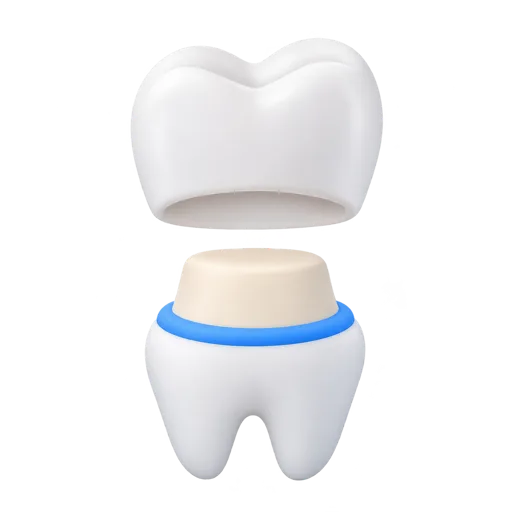 Dental crowns explained: what to expectA dental crown is a cap that covers a damaged or weakened tooth to restore its shape, strength, and appearance. Getting a crown usually takes two visits: one to prepare the tooth and place a temporary crown, and one to fit the permanent crown.