
Planning for veneers
Veneers are thin, custom-made shells that cover the front of teeth. They can change tooth color, shape, or size. The cost depends on the material, the number of teeth, where you live, and the dentist's experience. Many dental plans see veneers as a cosmetic treatment, done mainly for looks. That means the plan may not pay for them.
- 1,202 offices listed
- in 49 states
6 min readPublished November 21, 2026Updated November 21, 2026
AI-assisted. AI disclosureEditorial policy














What are veneers?
Veneers are thin, custom-made shells that cover the front of a tooth. They can change the color, shape, size, or length of teeth. Most veneers are made from porcelain or composite resin, a tooth-colored filling material. A dentist glues the veneer to your tooth after preparing the surface. This guide is general education, not medical advice. Your dentist can tell you what is right for your own mouth.
If you have severe swelling, trouble breathing or swallowing, uncontrolled bleeding, or facial trauma, call 911 or go to an emergency room.
Porcelain and composite veneers
- Porcelain veneers are made in a dental lab. They resist stains and can look very natural. They often need more than one visit.
- Composite resin veneers are shaped directly on the tooth, often in one visit. They may cost less but may not last as long.
- The choice depends on your goals, tooth condition, and budget. Ask your dentist which material fits your case.
What veneers can and cannot do
- Veneers can cover stains that do not respond to whitening.
- Veneers can close small gaps or make teeth look more even.
- Veneers cannot fix serious tooth decay, gum disease, or a bite that does not line up on their own.
- Veneers usually require removing a thin layer of enamel. Enamel is the hard outer layer of a tooth. That change is permanent.
- If you grind your teeth or bite your nails, veneers may chip or break more easily.
What affects the cost of veneers?
There is no single price for veneers. Several things affect what you might pay.
- Material: Porcelain usually costs more than composite resin. Lab fees and appointment time are different.
- Number of teeth: Treating one or two teeth costs less overall than treating many teeth.
- Tooth preparation: Some teeth need more reshaping, decay removal, or gum treatment first.
- Dentist’s location and experience: Fees vary by region, office overhead, and the dentist’s training.
- Lab fees: Custom porcelain veneers are made by a dental lab. That cost is part of your bill.
- Additional procedures: X-rays, cleanings, temporary veneers, or adjustments may be billed separately.
The table below shows a general range for veneer costs in the United States. Actual fees vary by case.
Do not rely on a single online number. Ask your dentist for a written treatment plan that lists each tooth and each procedure. That plan shows your total before you start.
How dental insurance often treats veneers
Many dental plans consider veneers a cosmetic treatment. That means the treatment is done mainly to change how teeth look, not to fix a health problem. So the plan may not pay for them. But every plan is different. Some plans may pay a part if a veneer is needed to repair a tooth damaged by an accident or decay. Check your own plan.
- Call your dental insurance company. Ask about veneers for your specific tooth.
- Ask whether the plan needs to approve the treatment first. This is called preauthorization.
- Ask how much the plan would pay, if anything.
- Ask your dentist’s office to submit a predetermination of benefits. This is a written estimate from the insurer.
- Do not assume a plan covers veneers just because it covers crowns or fillings.
If your plan does not cover veneers, you may still have options. Some dental offices offer membership plans that reduce fees for certain services. Others let you pay in phases. Ask the front desk what is available.
 Delta Dental
 Blue Cross Blue Shield
 UnitedHealthcare
 Aetna
 Cigna
 MetLife
 United Concordia
 Guardian
 Medicaid
 Ameritas
 Humana
 Principal
 GEHA
 Careington
 Sun Life
 DentaQuest
 Liberty Dental
 Lincoln Financial
 Medicare Advantage
 TRICARE
 CHIP
 Renaissance
 MCNA
 Spirit
Logos identify plans. No affiliation or endorsement is implied.
Questions to ask before you commit
A consultation is the time to talk about your goals, your oral health, and the cost. Write down your questions before the visit.

Will veneers fix what I do not like about my smile?
How many teeth do you recommend treating, and why?
What material do you suggest for my teeth, and what are the tradeoffs?
Will you need to remove any tooth structure, and how much?
What will my teeth look like while I wait for the lab?
What happens if a veneer chips, falls off, or feels rough?
What is the total cost for the full plan, including temporary veneers and follow-up visits?
How do you handle payment plans or phased treatment?
You have the right to take your time. If a treatment plan feels unclear or rushed, get a second opinion. A good dentist will explain your choices and let you decide what works for you.
What to expect during treatment
Knowing the steps can help you plan time and costs.
- First visit: The dentist checks your teeth, takes X-rays or scans, and talks about the color and shape you want.
- Tooth preparation: The dentist removes a small amount of enamel from the front of each tooth being treated. This step is permanent.
- Temporary veneers: You may wear temporary veneers while the lab makes your permanent ones.
- Placement visit: The dentist checks the fit, shape, and color. Then they glue the veneers with dental cement.
- Follow-up visit: The dentist may check your bite and comfort a few weeks later.
Ask your dentist how many visits you will need and how long each one will take. That helps you plan your schedule and your budget.
Ways to plan and pay for veneers
Many people pay for veneers out of pocket because insurance often does not cover them. Planning ahead can help.
- Ask your dentist for a written estimate before scheduling.
- Ask whether your dentist offers payment plans or lets you spread treatment over time.
- If you have a flexible spending account (FSA) or health savings account (HSA), ask whether veneers qualify as an eligible expense. These are accounts you can use for health costs. Rules can vary.
- Look into dental savings plans or membership plans offered by dental offices. These programs may reduce fees for certain procedures. Check whether veneers are included.
- Consider treating a smaller number of teeth first, if your dentist says that is safe for your bite and smile.
Do not choose a dentist based only on price. A lower fee may not include lab costs, temporary veneers, or follow-up care. A higher fee may reflect more experience or a more detailed process. Ask what is included in the quote.
Finding a dentist who fits your needs
Choosing a dentist for veneers is a personal decision. Look for someone who listens to your goals and explains the plan clearly. You can ask to see before and after photos of actual patients. Keep in mind that your results will be unique.
Dentist Navigator lets you search for dentists by insurance, specialty, and location. You can use it to find a dentist who takes your plan and offers cosmetic care.
Ask about their experience with veneers. Ask how many they place each year. Ask what follow-up care they recommend. A good dentist will welcome your questions and give you time to decide.
Sources
Are veneers covered by dental insurance?
Many dental plans see veneers as cosmetic, done for looks. They may not cover them. Some plans may pay a part if a veneer is needed to repair a damaged tooth. Check with your insurance company. Ask for a predetermination of benefits, a written estimate from the insurer.
How long do veneers last?
Porcelain veneers often last longer than composite resin veneers. Both depend on your habits and care. Avoid grinding, chewing ice, or using teeth as tools. That can help them last. Your dentist can give you a realistic idea for your case.
Do veneers damage your natural teeth?
Placing veneers usually requires removing a thin layer of enamel. Enamel is the hard outer layer of the tooth. That change is permanent. A dentist will remove only as much as needed. Ask your dentist to explain the preparation for your situation.
What is the difference between composite and porcelain veneers?
Porcelain veneers are made in a lab. They resist stains and often need two or more visits. Composite resin veneers are shaped directly on the tooth, usually in one visit. They may cost less. The right choice depends on your goals, tooth condition, and budget.
How many veneers do I need?
The number depends on how many teeth show when you smile and what you want to change. Some people treat only one or two teeth. Others treat all visible upper teeth. Your dentist can recommend a plan based on your smile and bite.
Related

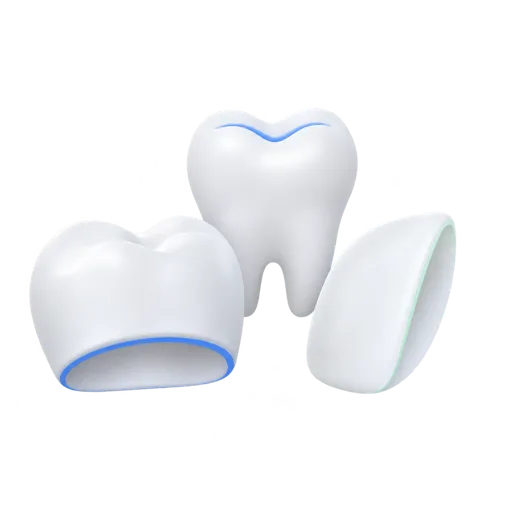 Crowns vs. veneers: how they compareA crown covers the whole tooth. It adds strength and repairs damage. A veneer is a thin shell on the front of a tooth. It is mainly for looks.

 Planning for professional teeth whiteningProfessional teeth whitening can lighten stains under a dentist's care. Costs vary. Most dental insurance does not cover it because it is cosmetic. Ask your dentist which option fits your teeth and budget. Get a written estimate before you start.

 How Dental Insurance WorksDental insurance helps lower your cost for many dental services. It is not the same as medical insurance. Learn your plan's rules so you can avoid surprise bills and use your benefits well.
Find a dentist
Search cosmetic dentists