
Gum grafts explained
A gum graft is a surgical procedure that covers exposed tooth roots with tissue, often from the roof of your mouth or a donor source. It may help protect teeth, reduce sensitivity, and improve gum health, but you should ask a periodontist about your own situation.
- 4,369 periodontal offices listed
- in 51 states
7 min readPublished November 21, 2026Updated November 21, 2026
AI-assisted. AI disclosureEditorial policy













What is a gum graft?
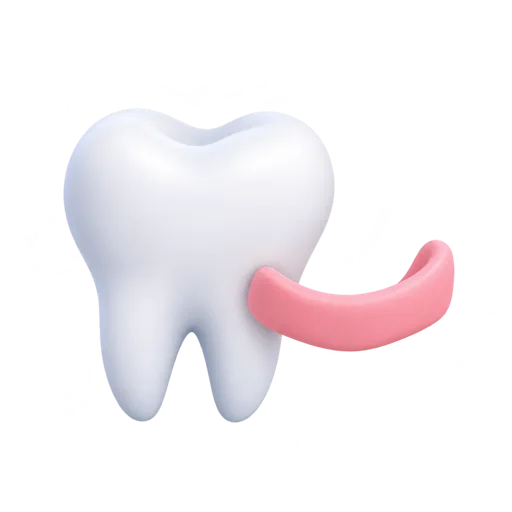
A gum graft is a common periodontal procedure. It moves a small piece of healthy gum tissue to an area where the gums have pulled back, or receded. The goal is to cover exposed tooth roots and add thickness to the gum tissue.
Gum recession can happen slowly. You may notice a tooth looks longer, or you may feel sensitivity near the gumline. When gums recede, the root surface is exposed. Unlike the crown of the tooth, the root does not have a hard enamel layer. A graft may help protect the root, reduce sensitivity, and lower the chance of further recession.
A periodontist is a dentist who specializes in the gums and the bone that supports the teeth. Many gum grafts are done by periodontists, but some general dentists also have advanced training in this procedure. You can ask your dentist who will perform the treatment and what their experience is.
Why a dentist may recommend a gum graft
Not every receded area needs a graft. Your dentist or periodontist will look at your gums, measure recession, and talk with you about your symptoms and goals. A gum graft may be recommended when:
- Recession is noticeable and may be getting worse.
- Tooth roots are exposed and sensitive to hot, cold, or brushing.
- The gum tissue is thin and at higher risk for further recession.
- Recession makes it hard to clean the tooth well.
- You are planning orthodontic treatment and the gums are thin.
- You want to improve the appearance of receded gums.
A gum graft does not treat gum disease by itself. If gum disease is present, your dentist may want to treat that first with a deep cleaning or other periodontal care. Ask your dentist about the order of treatment that is right for you.
What causes gum recession?
Gum recession has several possible causes. Understanding the cause can help you and your dentist decide whether a graft is a good option. Common causes include:
- Brushing too hard or using a toothbrush with hard bristles.
- Gum disease, which can break down the tissue and bone that hold teeth in place.
- Teeth grinding or clenching.
- Misaligned teeth or a bite that puts too much force on certain teeth.
- Thin gum tissue that you may have inherited.
- Tobacco use.
- Oral piercings that rub against the gums.
Your dentist can help you understand what is contributing to your recession. In many cases, you can work together to address the underlying cause before or after a graft.
Types of gum grafts
There are several ways to do a gum graft. The type depends on how much tissue is needed, where the recession is, and your own oral health. Your periodontist will explain which approach fits your situation.
Connective tissue graft
This is a common method. The periodontist makes a small opening in the roof of your mouth and takes a small piece of tissue from under the top layer. The tissue is placed over the receded area and secured with stitches. The roof of the mouth is then closed.
Free gingival graft
This method takes a thin layer of tissue directly from the roof of your mouth. It may be used when the gum tissue is very thin. The donor site on the roof of the mouth is left to heal on its own.
Pedicle graft
This method uses gum tissue from next to the receded area. The tissue is partly cut and then moved over the exposed root. The tissue stays attached at one end, so it keeps its own blood supply. This option is only possible when there is enough healthy gum tissue nearby.
Donor tissue graft
Some grafts use processed tissue from a tissue bank instead of your own mouth. This may mean one surgical site instead of two. Your periodontist can explain the source and the screening process for donor tissue.
What happens during the procedure
Before the procedure, your periodontist will numb the area with local anesthesia. You may also discuss sedation options if you feel anxious. The procedure is usually done in the dental office.
During the procedure, you may feel pressure or movement, but the area should be numb. The tissue is placed over the receded root and held with small stitches. The stitches may dissolve on their own or may need to be removed at a follow-up visit.
The length of the appointment depends on how many areas are treated. A single graft may take about an hour. Treating several areas can take longer. Your periodontist can give you an estimate for your specific case.
Preparing for a gum graft
Before your appointment, tell your periodontist about all medicines, supplements, and health conditions. You may be asked to stop certain medicines for a short time if they increase bleeding risk. Do not stop any medicine unless your doctor or periodontist tells you to.
Plan to have a ride home if you choose sedation. Stock up on soft foods and any recommended supplies before the appointment. You may also want to arrange for a quiet day or two to rest.
Recovery and healing
Recovery after a gum graft takes time. Your mouth may be sore for a few days. The roof of your mouth may feel tender if tissue was taken from there. Many people manage discomfort with over-the-counter pain medicine. Ask your periodontist which pain medicine is right for you.
Eating and drinking
For the first few days, stick to soft, cool foods that do not require much chewing. Good examples include yogurt, applesauce, scrambled eggs, smoothies, and lukewarm soup. Avoid crunchy, spicy, acidic, or hot foods and drinks. Do not use a straw, because the sucking motion can disturb the graft. Ask your periodontist when you can return to your normal diet.
Cleaning your mouth
Do not brush or floss the graft site until your periodontist says it is safe. You may be given a mouth rinse to use. Keep the rest of your mouth clean as directed. Be gentle when you brush nearby teeth.
Activity and rest
Take it easy for the first day or two. Avoid heavy exercise, heavy lifting, and anything that raises your heart rate a lot. Your periodontist may tell you to keep your head elevated when you sleep.
Follow-up care
You will likely have a follow-up visit so your periodontist can check healing. Healing often takes one to two weeks for the surface, but the tissue may continue to mature for several months. Ask what signs of normal healing to expect.
Risks and possible complications
Gum grafting is generally safe, but all surgical procedures have some risk. Possible issues include:
- Bleeding from the graft site or the roof of the mouth.
- Swelling or bruising.
- Infection.
- The graft does not attach or heals unevenly.
- Increased tooth sensitivity while healing.
- Changes in the color or texture of the gum tissue.
Call your periodontist if you have bleeding that will not stop, severe pain that medicine does not help, fever, or drainage from the site.
Call 911 or go to an emergency room if you have severe swelling, trouble breathing or swallowing, uncontrolled bleeding, or facial trauma. These are signs that need immediate medical attention.
To reduce risk, follow your aftercare instructions closely, avoid tobacco, and tell your periodontist about all medicines and health conditions before the procedure.
Questions to ask your dentist or periodontist
Before you decide on a gum graft, it helps to understand your options. You might ask:

Why is a gum graft being recommended for my specific recession?
What type of graft do you suggest and why?
What are the risks and benefits for my situation?
How should I prepare for the procedure?
What can I expect during recovery, and when can I return to work or normal activities?
How much will this cost, and what will my insurance cover? Your dental office can give you an estimate before you start.
Are there alternatives I should consider?
Your dentist or periodontist is the right person to answer questions about your own mouth.
Finding a dentist for gum grafting
If you need a gum graft, start by asking your current dentist. They can tell you whether a periodontist should be involved and can often refer you to one.
When you look for a periodontist, check that the provider is in network with your dental insurance if you have it. You can call the office and ask them to verify your coverage and provide a pre-treatment estimate. If you do not have insurance, ask about payment options or membership plans.
Dentist Navigator lets you search dentists by insurance, specialty, and location. That can help you find a periodontist who takes your plan and is convenient for you. Ask the office about their experience with gum grafts and what their follow-up care includes before you book.
Sources
Is a gum graft painful?
Your periodontist will numb the area with local anesthesia, so you should not feel sharp pain during the procedure. Afterward, you may have soreness for a few days, which many people manage with over-the-counter pain medicine. Ask your periodontist which pain medicine is right for you.
How long does it take to heal from a gum graft?
The surface often heals in one to two weeks, but the tissue may continue to mature for several months. You will likely have a follow-up visit so your periodontist can check healing. Follow all aftercare instructions to support the healing process.
Will insurance cover a gum graft?
Coverage depends on your dental plan and whether the graft is considered medically necessary. Call your insurance company or ask the dental office to verify your benefits and provide a pre-treatment estimate. Dentist Navigator can help you find an in-network periodontist.
Can I eat normally after a gum graft?
For the first few days, stick to soft, cool foods like yogurt, applesauce, scrambled eggs, and smoothies. Avoid crunchy, spicy, acidic, or hot foods, and do not use a straw. Ask your periodontist when you can return to your normal diet.
What are the signs of a problem after a gum graft?
Call your periodontist if you have bleeding that will not stop, severe pain that medicine does not help, fever, or drainage from the site. Call 911 or go to an emergency room for severe swelling, trouble breathing or swallowing, uncontrolled bleeding, or facial trauma.
Related

 Gum disease: signs and treatment optionsGum disease often starts with bleeding or swollen gums. Early treatment and good daily care can help you manage it and protect your smile.

 Scaling and root planing (deep cleaning) explainedScaling and root planing is a non-surgical deep cleaning that removes plaque and tartar from below the gumline and smooths tooth roots. It is often recommended when gum disease has caused pockets between the teeth and gums, and it may be split into two or more visits.
 What affects dental care costsDental care costs depend on where you live, the dentist's experience, the materials used, and your insurance. Knowing these factors helps you plan and ask for cost estimates before treatment.
Find a dentist
Find a periodontist