
Scaling and root planing (deep cleaning) explained
Scaling and root planing is a non-surgical deep cleaning that removes plaque and tartar from below the gumline and smooths tooth roots. It is often recommended when gum disease has caused pockets between the teeth and gums, and it may be split into two or more visits.
- 4,504 periodontal offices listed
- in 51 states
7 min readPublished November 21, 2026Updated November 21, 2026
AI-assisted. AI disclosureEditorial policy













What is scaling and root planing?
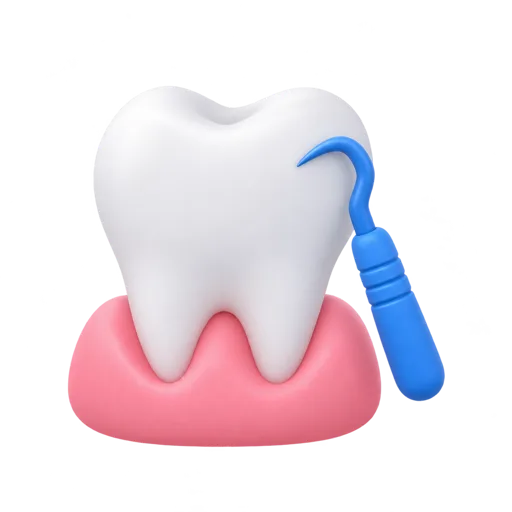
Scaling and root planing is a deep cleaning procedure. It removes plaque, tartar, and bacteria from the tooth surfaces that sit below the gumline. It also smooths the roots of the teeth so the gums can heal and reattach to the tooth.
A regular dental cleaning focuses on the visible part of the tooth above the gumline. Scaling and root planing goes below the gumline. It is often done when gum disease has created spaces between the gums and teeth. These spaces are called pockets.
The treatment is sometimes called a dental deep cleaning or periodontal therapy. It is a non-surgical treatment, but it is more involved than a routine cleaning.
Why scaling and root planing may be recommended
Gum disease begins when plaque builds up at the gumline. Plaque is a sticky film of bacteria. If plaque is not removed every day, it hardens into tartar, also called calculus. Tartar can only be removed with dental instruments.
Over time, tartar and bacteria cause inflammation in the gums. The gums may become red, swollen, and tender. They may pull away from the teeth, forming pockets. Bacteria can collect in those pockets where a toothbrush and floss cannot reach.
A dentist or dental hygienist may measure the pockets around your teeth during an exam. If the pockets are deeper than the normal range, your dentist may recommend scaling and root planing. The goal is to remove the source of the infection and give the gums a clean surface to heal against.
Signs that may lead to a conversation about deep cleaning include:
– Gums that bleed when you brush or floss
– Red, swollen, or tender gums
– Bad breath or a bad taste that does not go away
– Gums that look like they are pulling away from the teeth
– Loose teeth or a change in how your bite fits together
These signs do not always mean you need scaling and root planing. Only a dental professional can tell you what is right for your mouth.
How scaling and root planing differs from a routine cleaning
A routine cleaning is often called a prophylaxis. It removes plaque and tartar from above the gumline and lightly at the gumline. It is suitable for people with healthy gums or mild gingivitis.
Scaling and root planing is a therapeutic procedure. It treats active gum disease. It goes below the gumline and smooths the root surface. It usually requires local anesthetic and may be scheduled in sections, such as one side of the mouth at a time.
This difference matters for dental insurance and your dental records. A routine cleaning is often covered as preventive care. Scaling and root planing may be covered under a different part of your plan when it is medically necessary. Ask your dental office to explain your benefits before treatment.
What happens during scaling and root planing?
Scaling and root planing may be done by a general dentist, a periodontist, or a dental hygienist. A periodontist is a dentist with extra training in the gums and the bone that supports the teeth.
Before the procedure
Your dentist will review your health history and may take dental x-rays. They will measure the pockets around your teeth and explain what they find. They will talk with you about the recommended treatment, the number of visits, and what to expect.
If you feel nervous, tell your dental team. They can explain the steps and discuss options to help you stay comfortable. Many offices use local anesthetic to numb the area. Some offices may offer sedation options for patients who need extra help relaxing.
During the procedure
The dental professional uses hand instruments or an ultrasonic scaler. The ultrasonic scaler has a vibrating tip and sprays water. It helps break up tartar and wash away bacteria. The clinician cleans below the gumline and around each tooth root.
After scaling, the clinician smooths the root surfaces. This is the root planing step. Smooth roots make it harder for plaque and tartar to build up again. A smooth surface also gives the gums a better chance to reattach.
The procedure is usually divided into quadrants of the mouth. For example, the upper and lower teeth on one side may be done at one visit. The other side may be done at a second visit. This keeps each visit shorter and allows one side to heal before the other side is treated.
How long does it take?
The time depends on how many teeth need treatment and how deep the pockets are. One quadrant may take about an hour. If the whole mouth needs treatment, you may need two or more visits. Your dentist can give you a treatment plan based on your needs.
Does scaling and root planing hurt?
Most people do not feel pain during the procedure because the area is numbed. You may feel pressure, vibration, or scraping sensations. After the anesthetic wears off, your gums may feel sore. Your teeth may be sensitive to hot, cold, or sweet foods for a few days.
Discomfort is often managed with over-the-counter pain relievers if your dentist or doctor says they are safe for you. Always follow the dosing instructions and your dental team’s guidance. If you have questions about pain medicine, ask a healthcare provider.
Aftercare and recovery
Your gums need time to heal. They may be tender and may bleed a little for a day or two. Most people can return to their usual activities right away.
Your dentist may suggest:
– Brushing gently with a soft-bristled toothbrush
– Flossing carefully, following the specific instructions you are given
– Rinsing with warm salt water if recommended
– Avoiding hard, crunchy, spicy, or very hot foods for a few days
– Avoiding tobacco products, which can slow healing
– Taking over-the-counter pain medicine only as directed
Your dentist will likely schedule a follow-up visit. At that visit, they will re-measure the pockets and check how your gums are healing. Good home care and regular dental visits are important after treatment.
Possible risks and limitations
Scaling and root planing is considered safe for most people. But like any dental procedure, it has risks. You may have temporary tooth sensitivity, gum soreness, or slight bleeding. In rare cases, an infection can occur.
Tell your dentist if you have severe pain, swelling, bleeding that will not stop, or signs of infection. Call 911 or go to an emergency room if you have trouble breathing or swallowing, severe swelling that affects your airway, or uncontrolled bleeding.
Scaling and root planing is not a one-time fix. It is a treatment that can help control gum disease. You will need to keep up with regular dental visits and daily care at home. In some cases, your dentist may refer you to a periodontist or recommend additional treatment, such as gum surgery.
If you have certain medical conditions or take certain medicines, share that information with your dentist. You may need special planning before the procedure.
Cost and insurance considerations
The cost of scaling and root planing depends on several things: – How many teeth or quadrants need treatment – Whether you see a general dentist or a periodontist – Where you live and the practice’s fees – Whether you need x-rays, local anesthetic, or sedation
Many dental insurance plans may cover a portion of scaling and root planing when it is considered medically necessary for gum disease. Coverage varies by plan. Some plans may require a prior authorization or may have a waiting period. Others may ask for recent exam notes and pocket measurements.
Ask your dental office for a written treatment plan and an estimate before you schedule. They can check your insurance benefits and explain what you may owe. If you do not have insurance, ask about payment options or whether the office offers a dental membership plan.
 Delta Dental
 Blue Cross Blue Shield
 UnitedHealthcare
 Aetna
 Cigna
 MetLife
 United Concordia
 Guardian
 Medicaid
 Ameritas
 Humana
 Principal
 GEHA
 Careington
 Sun Life
 DentaQuest
 Liberty Dental
 Lincoln Financial
 Medicare Advantage
 TRICARE
 CHIP
 Renaissance
 MCNA
 Spirit
Logos identify plans. No affiliation or endorsement is implied.
Questions to ask your dentist or periodontist
Use these questions to guide your conversation: – Why are you recommending scaling and root planing for me? – How many teeth or areas need treatment? – Will I need more than one visit? – What type of anesthetic or sedation will be used? – What should I expect during recovery? – How will we know if the treatment is working? – What will my insurance cover, and what will I owe? – Are there other treatment options I should consider?
Finding a dentist for scaling and root planing
If you have signs of gum disease or have been told you need a deep cleaning, start with a dental exam. A general dentist can evaluate your gums and refer you to a periodontist if needed.
Dentist Navigator can help you find a dentist who takes your insurance and offers periodontics or deep cleaning. You can search by insurance, specialty, and location. Bring your questions to your appointment and ask about your specific situation.
Sources
Is scaling and root planing the same as a regular dental cleaning?
No. A regular cleaning removes plaque and tartar above the gumline and is preventive for healthy gums. Scaling and root planing goes below the gumline to treat active gum disease.
Does scaling and root planing hurt?
Most people do not feel pain during the procedure because local anesthetic is used. Afterward, your gums may be sore and your teeth may be sensitive for a few days.
How long does scaling and root planing take?
It depends on how many teeth need treatment and how deep the pockets are. The dentist may treat one quadrant of the mouth at a time, so the full treatment can take two or more visits.
Will my dental insurance cover scaling and root planing?
Many dental plans cover a portion when it is considered medically necessary for gum disease. Coverage varies by plan, so ask your dental office to check your benefits and give you an estimate before treatment.
How do I care for my teeth after scaling and root planing?
Follow your dentist's instructions, which may include gentle brushing, careful flossing, and avoiding hard or spicy foods for a few days. You will likely have a follow-up visit to check how your gums are healing.
Related

 Gum disease: signs and treatment optionsGum disease often starts with bleeding or swollen gums. Early treatment and good daily care can help you manage it and protect your smile.

 What happens at a dental cleaningA dental cleaning removes plaque, tartar, and surface stains from your teeth. It usually includes an exam, scaling, polishing, flossing, and sometimes fluoride.

 Planning for a deep cleaning (scaling and root planing)A deep cleaning, also called scaling and root planing, treats gum disease and often costs more than a routine cleaning. What you pay depends on how many areas need treatment, the provider's fees, and your dental benefits.
Find a dentist
Find a periodontist