
Inlays and onlays: what they are
Share this page
Inlays and onlays are custom-made repairs for a back tooth with moderate decay or damage. They fit inside or over the chewing surface and can preserve more natural tooth than a crown.
- 132,409 general dentistry offices listed
- in 51 states
7 min readPublished November 21, 2026Updated November 21, 2026
AI-assisted. AI disclosureEditorial policy

Find General dentist near you












What are inlays and onlays?
Inlays and onlays are custom-made repairs for a back tooth that has decay, a large old filling, or a cracked cusp. They are made outside your mouth, then bonded onto your tooth. Because they are made outside the mouth, they are called indirect restorations. A standard filling is a direct restoration because the dentist places it right into the tooth.
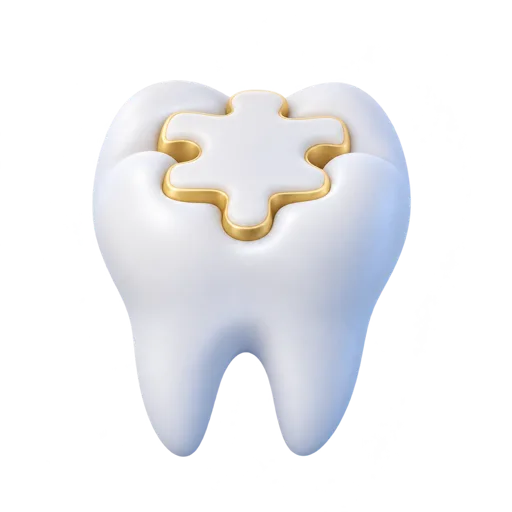
An inlay fits inside the chewing surface of the tooth. It sits between the cusps, which are the raised points on back teeth. An onlay covers one or more cusps. You can think of an inlay as a precise puzzle piece for the middle of the tooth. An onlay is like a partial cap that wraps over a larger area, including one or more cusps.
These options are often used when a tooth has too much damage for a filling but not enough damage to need a full crown. They help keep more of your natural tooth structure. That can be an advantage for long-term tooth strength.
How inlays and onlays differ from fillings and crowns
Understanding the differences helps you know why your dentist may suggest one option over another.
- A filling is placed directly into the tooth in one visit. It works well for small to medium cavities.
- An inlay is made outside the mouth and fits inside the cusps. It usually takes two visits.
- An onlay is made outside the mouth and covers at least one cusp. It usually takes two visits.
- A crown covers the entire visible part of the tooth. It is used for severe damage or after a root canal.
Inlays and onlays can fit more precisely than a large filling. They may also be stronger than a very large filling because the lab makes them under controlled conditions. A dentist may choose an inlay or onlay when a filling would leave the tooth weak or when a crown would remove more healthy tooth than needed.
When a dentist may suggest an inlay or onlay
Your dentist may talk about an inlay or onlay when:
- A cavity or old filling is too large for a new filling.
- A cusp is cracked, broken, or weakened but the rest of the tooth looks healthy.
- You want a repair that preserves more natural tooth than a crown.
- A large filling keeps failing, leaking, or causing food to get stuck.
- The tooth needs stronger support but does not need full coverage.
Only a dentist can tell which repair is right for your tooth. They will look at X-rays, check the tooth, and ask about your symptoms. This guide is general education and not a substitute for an exam.
Materials used for inlays and onlays
Several materials are used. The right one depends on the tooth location, your bite, and your preferences.
- Porcelain or ceramic: Tooth-colored and strong. Porcelain resists stains and can look natural. It is often used for back teeth that show when you talk or laugh.
- Composite resin: Tooth-colored and can be milled or made in a lab. Composite may wear faster than porcelain in some cases, but it can be easier to repair.
- Gold: Very strong and long lasting. It is metal colored, so it is less common for visible areas. Some dentists still recommend gold for back molars because it is gentle to the opposing tooth and has a long track record.
Each material has trade-offs. Ask your dentist to explain what they recommend for your tooth and why.
What to expect at the first visit
An inlay or onlay usually takes two visits. Some offices offer same-day restorations, but the traditional path is two appointments.
At the first visit:
If the office has same-day technology, the dentist may design and mill the restoration in one visit. In that case, you may skip the temporary and the second appointment.
- The dentist numbs the area around the tooth.
- They remove decay or the old filling and shape the tooth.
- They take a digital scan or a physical impression of the prepared tooth.
- They place a temporary inlay or onlay to protect the tooth.
- The scan or impression is sent to a dental lab, or the office uses its own milling machine.
What to expect at the second visit
At the second visit, if you have one:
You may feel some pressure during placement. The area should be numb. Tell the dentist if the bite feels high or if anything feels sharp.
- The dentist removes the temporary restoration.
- They try in the new inlay or onlay and check the fit.
- They check the bite and make small adjustments.
- The tooth is cleaned and prepared for bonding.
- The restoration is bonded with strong dental cement.
- The dentist checks your bite again and polishes the restoration.
Recovery and everyday care
Most people can return to normal routines the same day. The numbing may last a few hours. Avoid chewing on that side until the numbness wears off so you do not accidentally bite your cheek or tongue.
Some mild sensitivity to hot, cold, or pressure can happen for a few days. It usually fades. If your dentist says it is safe for you, an over-the-counter pain reliever may help. Follow your dentist’s instructions.
Care for an inlay or onlay like your other teeth:
- Brush twice a day with fluoride toothpaste.
- Floss or clean between teeth every day.
- Avoid chewing very hard items like ice, hard candy, or popcorn kernels.
- See your dentist for regular checkups and cleanings.
With good daily care, an inlay or onlay can serve you for many years. No restoration lasts forever. The tooth underneath still needs care, and the edge between the restoration and tooth needs to be kept clean.
Possible risks and things to watch
Inlays and onlays are common, but they are not risk-free. Possible problems include:
- The restoration may come loose or fall out.
- Decay can form at the edge if plaque builds up.
- The tooth may feel sensitive, especially right after placement.
- The restoration may chip, crack, or wear over time.
- In some cases, the tooth may later need a crown or root canal.
Call your dentist if:
- The restoration feels loose, chips, or falls out.
- Your bite feels uneven or painful when you close.
- You have pain when biting that does not go away.
- You notice swelling, redness, or a bad taste near the tooth.
Do not ignore these signs. Early help can prevent more damage and more involved treatment.
Questions to ask your dentist
Before you decide on treatment, consider asking:

Is an inlay or an onlay the right choice for my tooth?
What material do you suggest and why?
Will I need one visit or two?
How should I care for the temporary?
What should I avoid eating while I have the temporary?
What are the signs of a problem after the final placement?
How will this affect my bite over time?
Your dentist can explain your specific case. This guide is general education only and is not medical advice.
What can affect the cost
Cost is not the same for everyone. Many factors play a role:
- The material chosen. Porcelain, composite, and gold have different costs.
- The size and location of the restoration. Larger onlays may cost more than small inlays.
- Whether the office uses a lab or same-day milling.
- Whether you have dental insurance and whether the dentist is in-network.
- Your plan’s annual maximum, deductible, and coverage for major restorative care.
Ask the dental office for a written estimate before treatment. They can check your insurance benefits and explain what you may owe. If you do not have insurance, ask about payment plans or membership options. Each office sets its own fees, so you may want to compare a few estimates.
Finding a dentist for inlays or onlays
Many general dentists place inlays and onlays. Some patients see a prosthodontist, a dentist with extra training in restoring teeth. When you search, think about your needs: insurance, location, and whether you want same-day options.
Dentist Navigator lets you search dentists by insurance, specialty, and location. You can use it to find a dentist who may offer inlays and onlays. Then call the office to confirm they provide this service and ask about your insurance and payment options.
Sources
How long do inlays and onlays last?
With good care, they can last many years, but no restoration is permanent. The lifespan depends on material, bite forces, oral hygiene, and regular dental visits. Ask your dentist what to expect for your situation.
Are inlays and onlays better than fillings?
Not always. They are often used for larger areas of damage where a filling may not be strong enough. They preserve more tooth than a crown. Your dentist can explain which option fits your tooth.
Does getting an inlay or onlay hurt?
The dentist numbs the area, so you should not feel sharp pain during the procedure. You may feel pressure. Some mild sensitivity afterward is common and usually goes away in a few days.
Can an inlay or onlay fall off?
It is possible. If it feels loose, chips, or falls out, call your dentist right away. Do not try to glue it back yourself. Keep the area clean and avoid chewing on that side until you are seen.
Will my insurance cover an inlay or onlay?
Coverage varies by plan. Inlays and onlays are often considered major restorative care, which may have different coverage than fillings. Ask your dental office to check your benefits and give you a written estimate.
Share this page
Related

 Dental crowns explained: what to expectA dental crown is a cap that covers a damaged or weakened tooth to restore its shape, strength, and appearance. Getting a crown usually takes two visits: one to prepare the tooth and place a temporary crown, and one to fit the permanent crown.

 Dental fillings explained: what to expectA dental filling repairs a cavity or small area of tooth damage. Your dentist removes decay, places a filling material, and shapes the tooth so it can work normally again.

 Cracked or chipped tooth: next stepsRinse your mouth with warm water, cover any sharp edge, and call a dentist. A small chip may only need smoothing or bonding, while a deeper crack can affect the tooth's nerve and may require a crown (a cap that covers the tooth) or root canal.